Demystifying Terrazzo: Questions & Answers for the Architect
Terrazzo history, sustainability, and maintenance
Sponsored by National Terrazzo & Mosaic Association, Inc. | Presented by Gary French
Webinar On-Demand
This course addresses the questions that frequently arise in the design community regarding terrazzo. We will dive into terrazzo history, sustainability, and maintenance while reviewing real project examples. Gary French, Technical Director of the National Terrazzo and Mosaic Association, will also walk us through terrazzo's coefficient of friction and address how terrazzo restoration, renovation, and refinishing contribute to the reduction of waste and pollution.
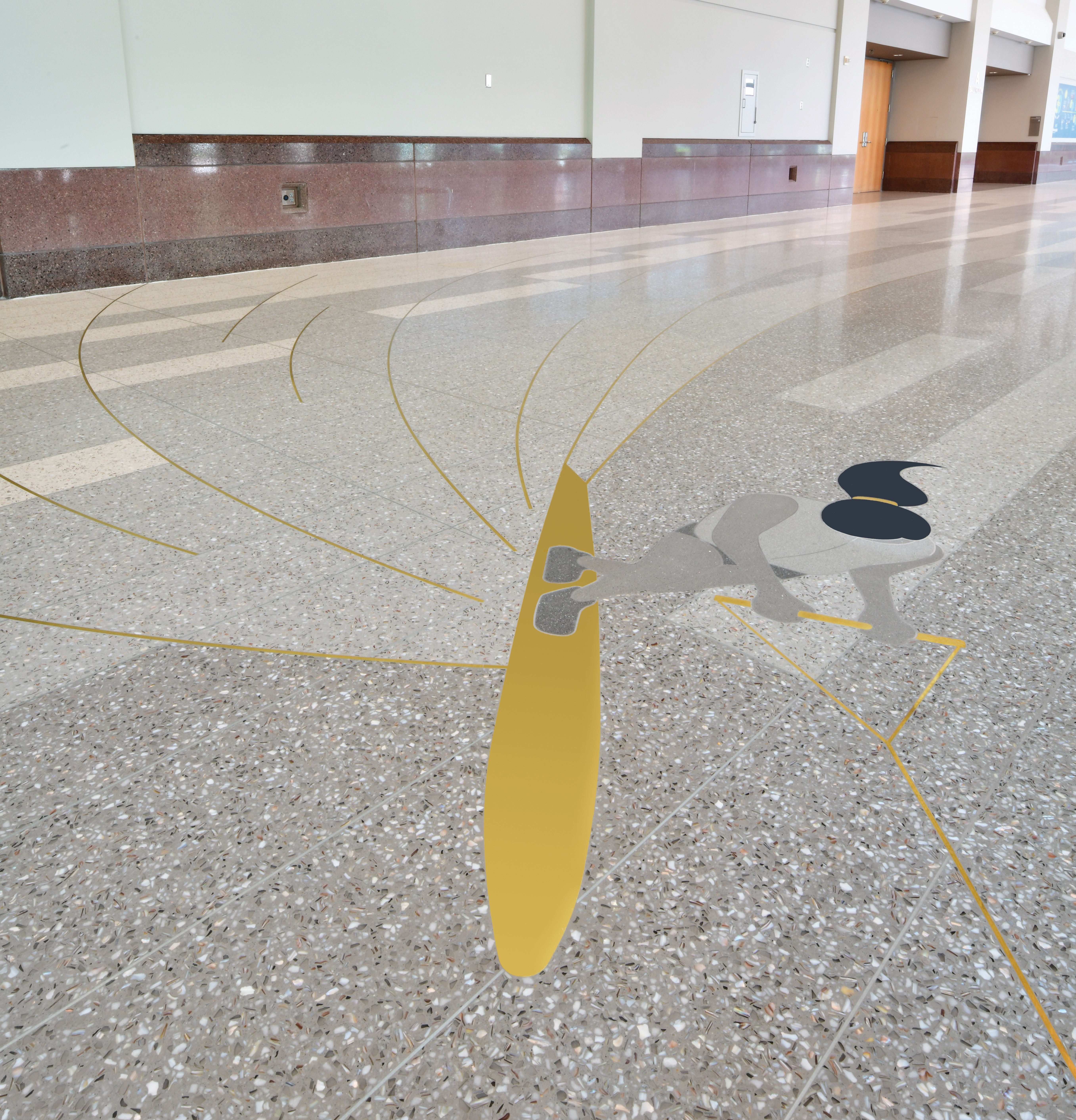
Photo courtesy of David Laudadio
 |
Gary French, the Technical Director of the National Terrazzo and Mosaic Association, received a degree in Chemistry from David Lipscomb University in 1972. At Sherwin Williams, he assisted in the laboratory, technical service and product management, and developed several epoxy formulas; he has also been a presenter on resinous materials to concrete for the CSI. Gary has presented over 300 AIA seminars on terrazzo and has written several articles on resinous flooring. Gary is responsible for providing training to contractors of the NTMA, delivering courses on the installation of terrazzo and related issues. |

The National Terrazzo & Mosaic Association has been setting the standards for terrazzo since 1923. We offer assistance throughout the design and installation process. Specifications are available online, and our technical advisor can answer your specific questions.
Originally published in Architectural Record
Originally published in October 2023
LEARNING OBJECTIVES
- Recognize what terrazzo is along with its rich history (500 years in its current lineage) and discover the components of terrazzo, including the endless color options and various aggregates.
- Explore and analyze the sustainability of terrazzo.
- Realize how terrazzo is the original recycled flooring, and has proven to last over 100 years in buildings and survive hurricanes and flooding events.
- Assess project examples that defend how terrazzo restoration, renovation, and refinishing contribute to meeting environmental and sustainable objectives of reducing the amount of waste sent to landfills and the pollution associated with harvesting and manufacturing replacement materials.
- Evaluate terrazzo's coefficient of friction, sealers, slip-resistance, and ease of maintenance that contribute to a safe, healthy environment.