Defense Against Mold: Antimicrobial Coatings
Choosing the Right Prevention for Growth
Sponsored by ICP Building Solutions Group | Presented by Cole Stanton
Webinar On-Demand
Specifying an antimicrobial coating is a simple and inexpensive investment that can ensure against a very high priced and disruptive future mitigation project. Most importantly, creating mold resistant surfaces can prevent growth (including spores, hyphae and particulates) known to cause a range of health effects and reduce the quality of our indoor air. As a discipline, mold remediation is now 20+ years old, and while the performance is proven, the choices and confusion have proliferated. New Construction v. Mitigation; Structural v. HVAC; Fungicidal v. “Treated Article”: this session provides definition, clarity and decision-tree insights that reflect industry standards and technology.
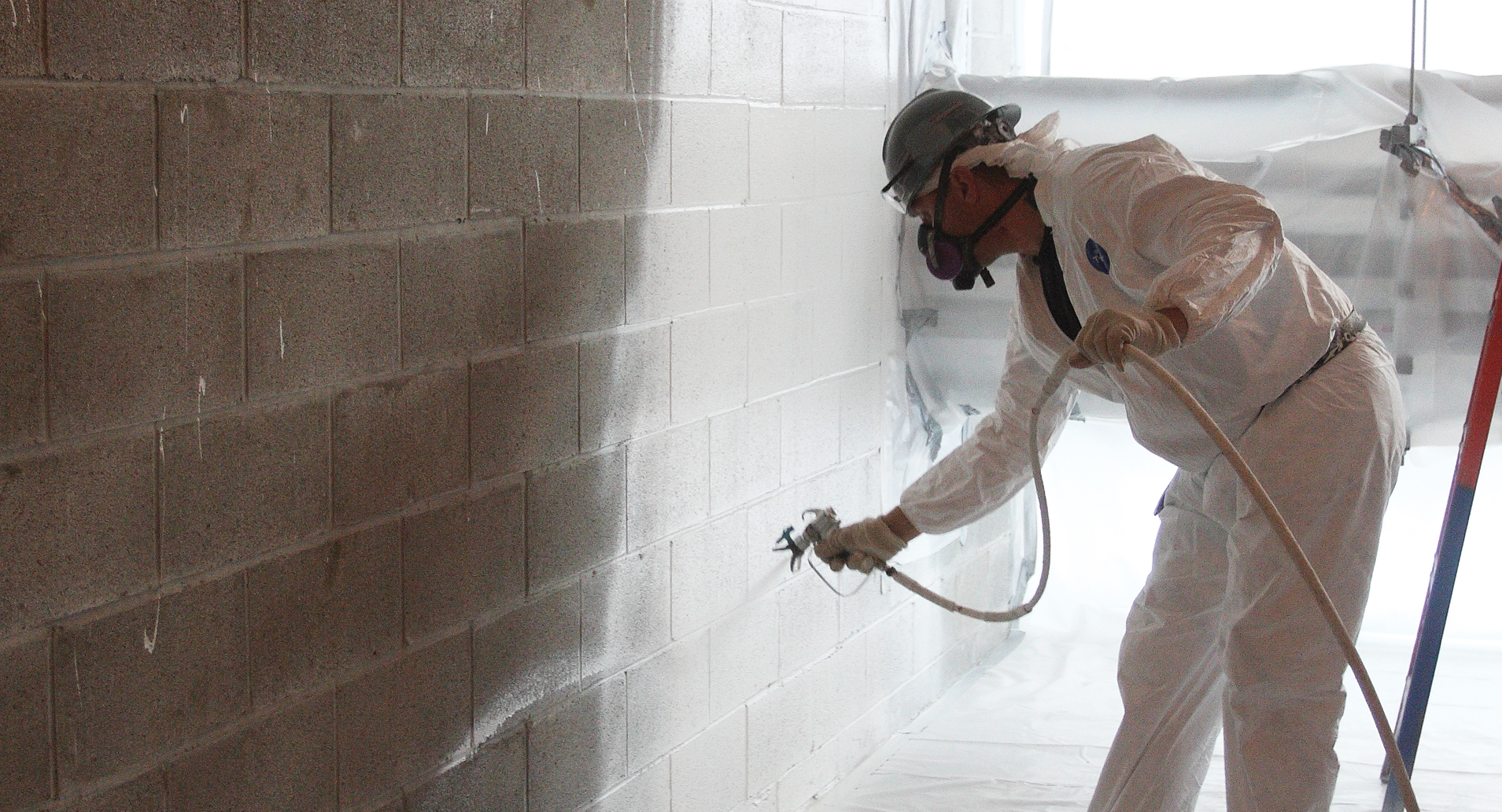
Photo courtesy of ICP

|
With decades of experience in specification development, architectural sales and building product certification, Cole Stanton heads up ICP BSG’s MasterWorks program, a unique training resource for today’s building professionals. MasterWorks backs every product and solution in the ICP BSG portfolio and, under Cole’s leadership, helps ICP BSG customers stay at the top of their game. His areas of expertise include environmental abatement, restoration, building science and sustainable construction practices. Cole has received several industry recognitions since joining ICP’s Fiberlock team in 1993. He holds his bachelor’s degree in Political Science, with a specialization in environmental policy, from Boston College. |

ICP is the foremost supplier of professional products and solutions for building envelope, cementitious and sports surface needs. Comprising dozens of industry-leading brands across numerous industries and applications, ICP offers the industry’s most comprehensive portfolios to building professionals all over the globe, all backed by its exclusive Masterworks training and education program. For more information, visit www.icpgroup.com.
Originally published in Mission Critical
Originally published in June 2021
LEARNING OBJECTIVES
- Identify the different types and properties of mold prevention coatings.
- Initiate and complete the coating decision-tree for structural vs. HVAC applications.
- Objectively distinguish between fungicidal vs. mold-resistant coatings and correlate project conditions to the clean, kill, coat concept professional remediators use for understanding the process.
- Use product testing to predict real-world performance and put it into practice in specifying mold coatings for prevention in new construction vs. remediation.