Form, Function & Safety: Multitasking Steel Deck Framing Rises to the Demands of Modern Outdoor Living
Sponsored by Fortress Building Products | Presented by Todd Smith, CSI, CDT, LEED Green Associate
Webinar On-Demand
This course will explore how steel deck framing prioritizes safety and aesthetics. Participants will learn how steel’s strength and non-combustible nature allow for bigger decks that meet stringent fire codes and can withstand high winds and storms, ensuring occupant wellbeing without sacrificing high-end designs. It will also examine how steel can support heavier loads with fewer materials, which can lead to more eco-friendly deck builds. Additionally, the course will overview how steel’s resistance to rot, weather and insect damage without the use of harsh chemicals makes it suitable for a variety of residential, retail, mixed-use, multifamily, rooftop and corporate uses.
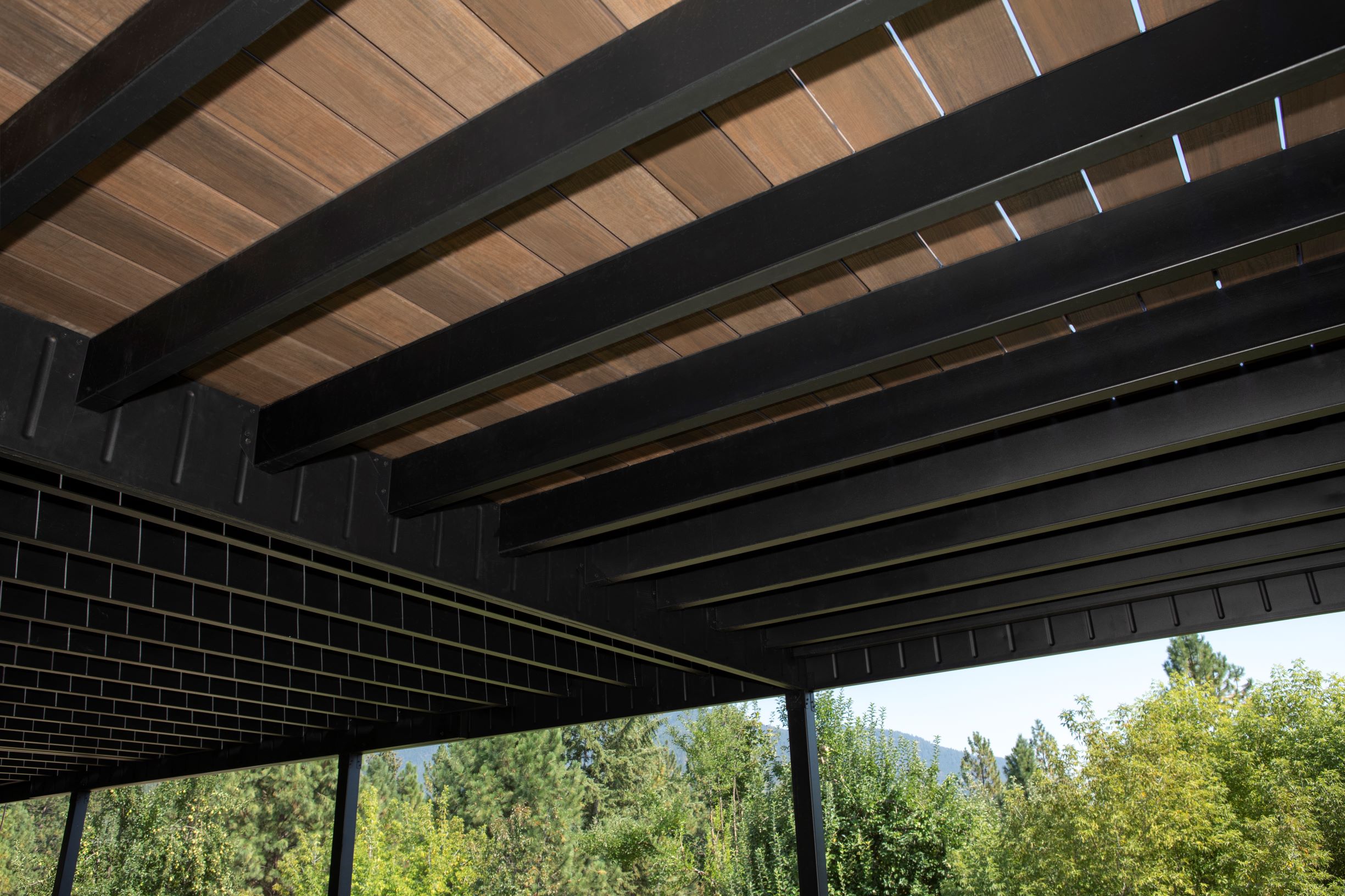
Photo courtesy of Fortress Building Products

|
Todd Smith, CSI, CDT, LEED Green Associate, is the Senior Specifications Manager, Fortress Building Products. With valuable professional experience and years of building material sales and representation, Todd relates with designers, contractors, and manufacturers. Smith understands their roles, needs, and goals in the construction process passionately and respectfully working hard to provide innovative and team-oriented solutions to better the outdoor built environment. |
Fortress® is one of the strongest brands in the residential, multi-family and commercial building products industry. Explore our variety of products, including, railing, fencing, framing, lighting, pergolas and more at FortressBP.com
Originally published in Food Engineering
Originally published in June 2022
LEARNING OBJECTIVES
- Recognize steel framing’s ability to support larger loads without sacrificing a high-end aesthetic to increase occupant’s physical safety and meet SITES v2 goals of social connection.
- Illustrate how steel framing’s resistance to the elements and noncombustible nature can meet stringent fire codes and expand commercial use.
- Comprehend how steel framing uses fewer materials and is both recycled and recyclable, contributing to the SITES v2 goals of recycled material use and diverting construction and demolition materials from disposal.
- Describe how steel framing can contribute to more sustainable commercial outdoor living spaces to support the welfare of surrounding natural spaces without the need for harsh chemicals, meeting SITES v2 requirement of sustainable site maintenance.