The Fundamentals of Clay Roof Tile
Sponsored by Ludowici | Presented by Rob Wehr
Webinar On-Demand
We explore the history of tile and the benefits of using terra cotta roof tiles on commercial and residential projects by using real-world, current, and historic application examples. We'll walk through the manufacturing process and speak to clay's green and differentiating qualities in comparison to other roofing materials. We also preview various tile profiles, accessories, colors and textures that can be used to design a uniquely beautiful building or home.
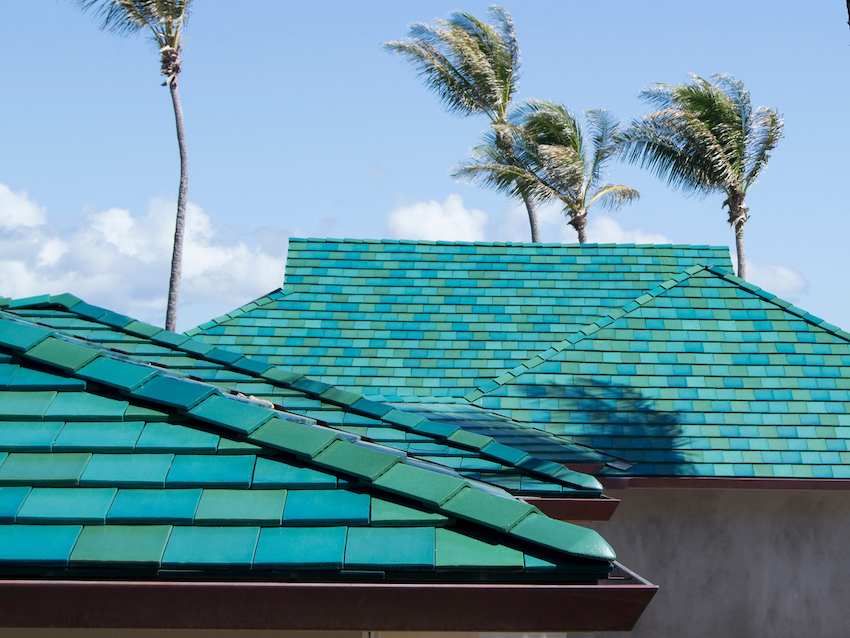
Photo courtesy of Ludowici

|
Rob Wehr is the Vice President of Business Development and National Accounts for Ludowici – a 130-year old, world renowned manufacturer of architectural terra cotta products. Rob routinely engages with high-end architects, homeowners, commercial building owners, facility managers of universities, campus architects and government agencies on special projects to utilize architectural terra cotta products to help achieve a design vision. Since 2004, Rob has worked with Ludowici in several different sales and marketing roles where his love and enthusiasm for architecture is in regular use. Rob graduated with honors from Ohio Northern University with a Bachelor’s Degree in Civil Engineering. Rob has over 20-years experience in building construction and design, structural engineering, knowledge of building envelope and rain screen principles, and extensive experience in the design, detailing, pricing/budgeting, manufacturing and installation of architectural terra cotta building products. |
Since 1888, architects, homeowners, universities, commercial and government clients have turned to Ludowici for uniquely beautiful architectural terra cotta products that stand the test of time. Ludowici clay tiles are the highest quality available, which is why they adorn thousands of historic and newly built structures around the world. Meticulously crafted in New Lexington, Ohio from locally sourced materials, our products are infinitely customizable and carry a 75-year warranty.
Originally published in Engineering News-Record
Originally published in October 2021
LEARNING OBJECTIVES
- Recognize current and historic clay tile applications
- List the benefits of terra cotta roof tiles and explain their green qualities
- Identify the various profiles, color, and textures available
- Gain awareness of the common installation procedures for the various profiles