Kinetic Architectural Systems
Kinetic Architectural Systems
Sponsored by Libart North America a div. of Stoett Industries, Inc.
There is no audio associated with this presentation.
There is no audio associated with this presentation.
Kinetic architectural systems blur the separation between outdoor and indoor spaces, maximizing a living or working area and making it usable throughout the year. When retractable structures, roofs, skylights, windows, or doors are integrated into a building project, enclosed spaces are no longer limited to being indoor spaces only. This course discusses the types, application and functional requirements along with associated systems for incorporating motion in architecture to provide flexible living and working environments in any type of weather.
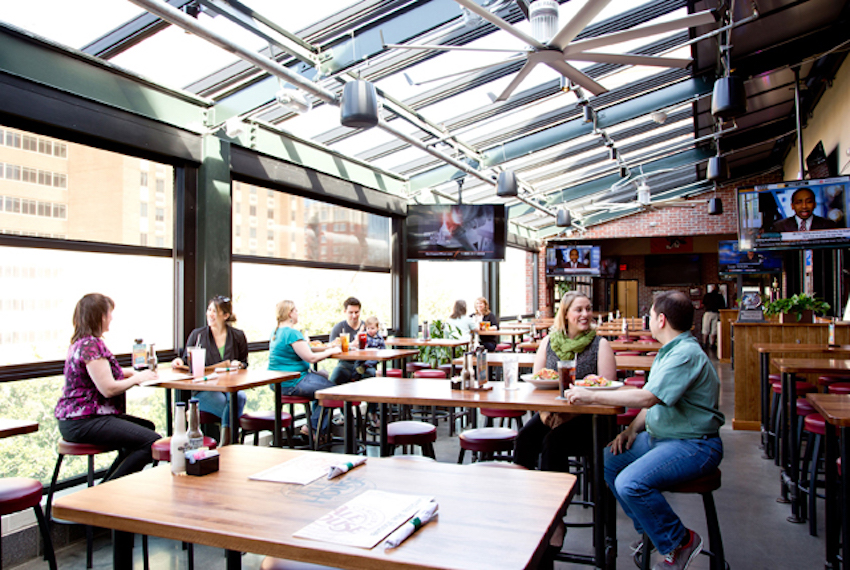
Photo courtesy of Libart USA a div of Stoett Industries
Carolina Ale House

Libart North America a div. of Stoett Industries is the foremost leader in kinetic architectural systems including retractable skylights, roofs, enclosures, windows/doors/walls, and glass railing wind screens. Libart's kinetic architectural systems blur the separation between indoor and outdoor spaces, maximizing living, working, and recreational areas, making them usable year-round. Indoor Comfort Outdoor Freedom. Learn more at: www.libartusa.com
Originally published in Industrial Heating
Originally published in August 2018
LEARNING OBJECTIVES
- Define kinetic architecture and explain how it differs from static architecture, its evolution, and its introduction into North America, and explore occupant engagement and other associated benefits.
- Describe the various structural types of kinetic architectural systems and how they can benefit the human experience.
- Determine how kinetic architectural systems address today’s dynamic, flexible, and constantly changing needs for architectural design.
- Evaluate the criteria involved in selecting a suitable kinetic architectural system for a variety of applications offering year-round use and connection to outdoor natural elements while also providing protection to building occupants.
- Discuss the design of kinetic architectural systems and specify the appropriate associated systems for project requirements involving function, climate and comfort, life safety, and changing weather conditions.