Traditional vs. Innovative WRB/AB Approach
How does a single-source system approach add value
Sponsored by Georgia-Pacific Building Products | Presented by John Chamberlin
Webinar On-Demand
In this course, we’ll talk about solutions for one of the primary concerns of designers and contractors—mitigating the intrusion of water and air through a structure. We’ll also assess the differences between traditional air- and water-resistive barriers and compare them to newer technologies, which can help specifiers choose the best WRB/AB for their projects to avoid moisture-related issues.
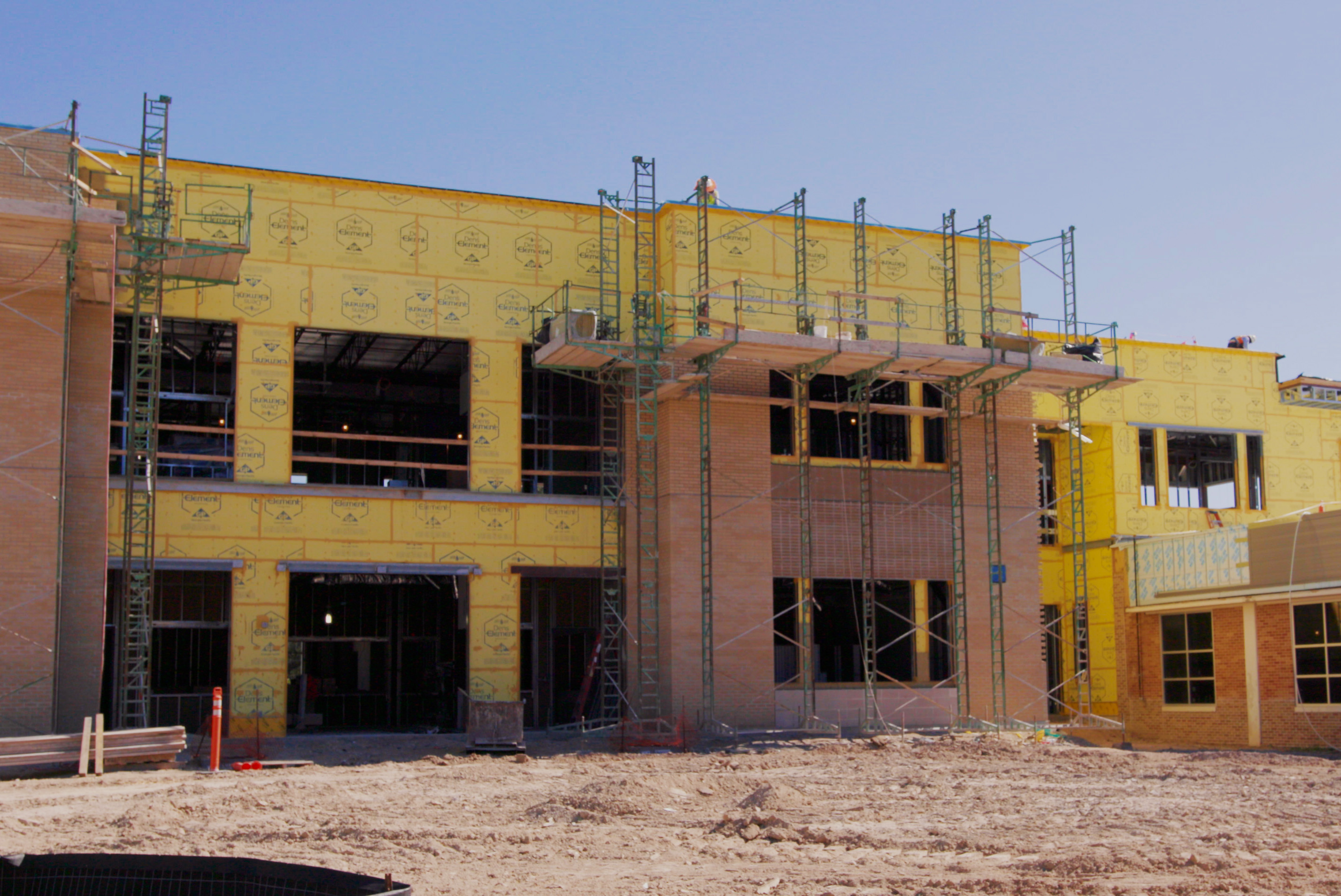
Photo courtesy of Georgia-Pacific Building Products

|
John Chamberlin, is a Director of Product Management for Georgia-Pacific Building Products. Mr. Chamberlin has worked in the construction products industry for his entire career with most of his work focusing on new product development for disruptive technologies in the building envelope space. Mr. Chamberlin is actively involved in the building industry, serving as a director for the board of the Air Barrier Association of America and member of multiple committees and an active participant of his local Building Enclosure Council. |
Georgia-Pacific Building Products has a legacy of creating strong, durable, sustainable building materials from exterior sheathing products to drywall in walls and ceilings to industry leading roof products and supporting products from lumber to subfloors to fire doors. We help members of the building community build quality commercial and residential construction projects all over the world. GP Building Products is the largest producer of structural wood panels (plywood and OSB) in North America and is a leading producer of gypsum building products, lumber and composite panels.
We support commercial and residential architects, designers, building material dealers, contractors and builders with tools, education and supporting resources that help the building community advance their knowledge, hone their craft, and make the best product decisions for their projects.
Originally published in National Driller
Originally published in April 2022
LEARNING OBJECTIVES
- Assess the differences between air- and water-resistive barriers and determine strategies for mitigating unwanted air and water infiltration and exfiltration.
- Explore traditional and innovative weather-resistant barriers, including mechanically attached sheet products, fluid-applied membranes, self-adhered sheet membranes, and integrated sheathing materials.
- Examine challenges project teams may encounter with different types of weather-resistant barriers.
- Identify important specification and installation considerations for weather-resistant barriers.