Glass Entrance System Specification: What You Need to Know
Sponsored by CRL
Webinar On-Demand
Along with the many benefits of glass entrances come unique challenges. This course covers current trends in glass entrance design and key considerations for hardware in all types of applications. Attendees will get an overview of specification criteria to ensure openings are in compliance with fire, life safety, accessibility, and other building code requirements, all while meeting the project’s design intent. The presentation will also address what makes different types of glass entrances both appealing and functional, and what challenges must be overcome when specifying them. This includes all-glass entrances, thermal doors, and balanced doors.
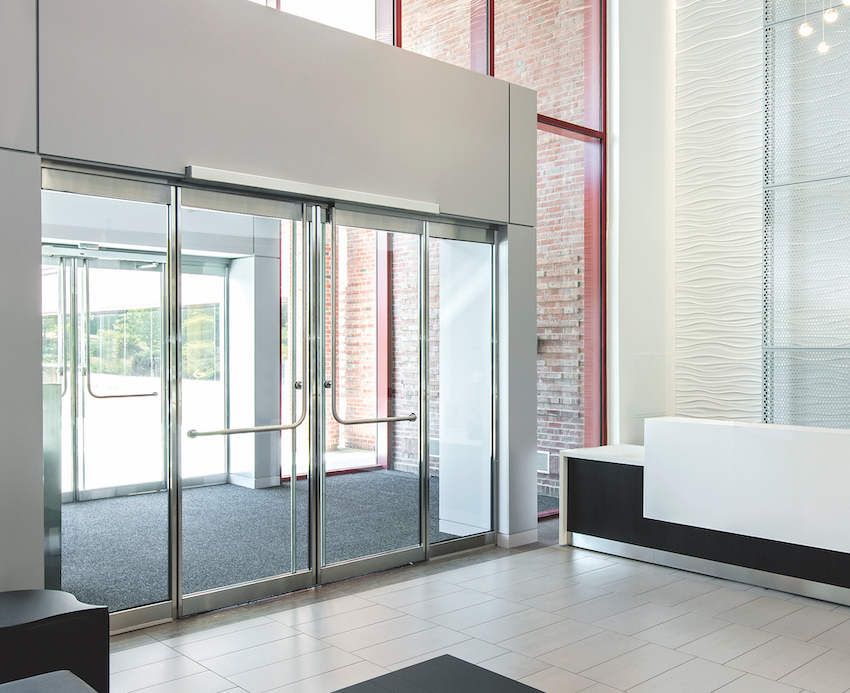
Photo courtesy of C.R. Laurence

|
Mark Suehiro has more than 15 years of experience in the architectural entrance systems and hardware field. His extensive knowledge of doors and entrances encompasses product engineering, testing, manufacturing, distribution, and new product development. In his role as director of the architectural entrances group at C.R. Laurence, Mark leads a team of technical specialists in assisting architects, building owners, and contractors with the design, specification, and installation of code-compliant glass entrance systems. |

CRL is the industry’s leading, full-service provider of architectural metals, glass fittings, and professional-grade glazing supplies. The company leverages more than 50 years of experience and a track record of industry firsts to offer a one-stop shop with a breadth of innovative product choices. Expert support from specification to installation, and fast, reliable service help customers complete projects on time and on budget. CRL focuses on expanding opportunities for all to turn bold architectural visions into real world experiences.
Originally published in Mission Critical
Originally published in June 2020
LEARNING OBJECTIVES
- Comprehend and be well-versed in hardware considerations and compatibilities, including panic handles.
- Recognize the current trends that are influencing the future of glass entrances, including NFRC documentation and energy code requirements.
- Identify critical considerations needed to specify panic devices including life safety issues, UL standards, ANSI/BHMA criteria, fire code requirements, occupant loads, and opening force.
- Define the GANA guidelines including guidelines for interior swinging glass doors.