Using Building Performance Analysis to Enhance Data Driven Design
Sponsored by cove.tool | Presented by Patrick Chopson, AIA, and Paul McKeever, AIA
Webinar On-Demand
This course introduces the general concepts used in building performance and a practical case study on a tall building. Practitioners from the AEC industry will benefit from learning about the need for using daylight to guide design moves along with energy, glare, carbon, and cost in the early design process. Concepts will be demonstrated in an automated web-app but will be broadly applicable to a wide range of tools. A general overview will be followed by step-by-step guidance and a Q&A session.
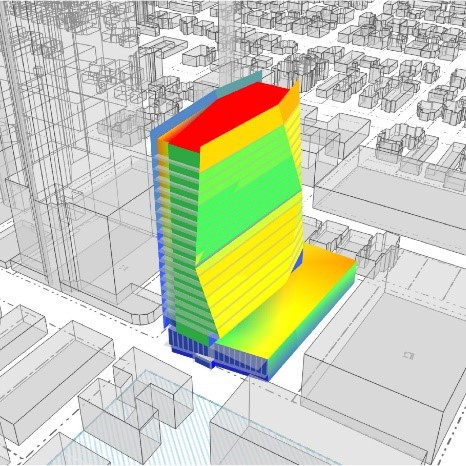
Image courtesy of cove.tool

|
Patrick Chopson, AIA, focuses on the crossover between architecture and technology. With a background in mechanical engineering, architecture and high-performance buildings, Patrick brings an integrated approach to help tackle the challenges with integration and optimization. He is a licensed architect with over 10 years of experience in both architecture and mechanical engineering firms and leads the sales and marketing effort for cove.tool’s cost vs energy optimization to dramatically lower the cost of green buildings. |

|
Paul McKeever, AIA, is the Associate Principal at tvsdesign. Paul's technical knowledge of building systems, coupled with a sensitive eye for design aesthetics, allows him to orchestrate thoughtful designs that meet client goals and exceed their expectations. He has gained a unique knowledge of custom façade detailing, including glazed curtainwall systems, architectural cladding systems, as well as vegetated roof systems and waterproofing. Command of software such as cove.tool allows him to test these systems through performance analysis. |

End-to-end automated performance analysis for every team to stay coordinated and on target. Get beautiful analysis graphics for energy, daylight, carbon, and more in-house. Skillfully select the lowest cost and highest performance material components for new construction and renovations. Use machine learning to effortlessly look through thousands of options
Originally published in The NEWS
Originally published in May 2022
LEARNING OBJECTIVES
- Analyze building designs for various performance criteria.
- Compare different strategies for daylight, glare, quality views, etc.
- Develop an understanding of their project’s energy consumption and carbon footprint.
- Identify which mechanical systems, envelope assemblies, and other engineering inputs provide the best cost optimization.