Designing High Performance Buildings
15 minutes to run all analyses
Sponsored by cove.tool | Presented by Sandeep Ahuja and Brian Campa
Webinar On-Demand
This course introduces the general concepts used in building performance and a practical case study on an education building. Practitioners from the AEC industry will benefit from learning about the need for using daylight to guide design moves along with energy, glare, carbon, and cost in the early design process. Concepts will be demonstrated in an automated web-app but will be broadly applicable to a wide range of tools. A general overview will be followed by step-by-step guidance and a Q&A session.
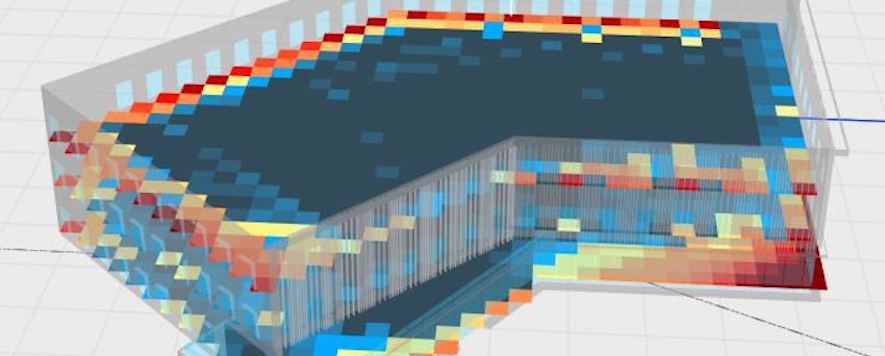
Photo courtesy of cove.tool

|
Sandeep Ahuja, is the CEO and Co-Founder of cove.tool, the end-to-end building performance and data app. Most recently, Sandeep presented at the UN environment assembly, with 1500 global delegates, on the impact of buildings on climate change, showcased at the Tedx Atlanta and won the Forbes 30 under 30. With her desire to bring automation into the AEC world, she is pioneering the integration of data driven thinking into the design and construction process by developing intelligent software. . |

|
As a Principal with Cooper Carry, Brian Campa provides design leadership across a diverse range of building types. He leads by focusing on the principles of innovation and the desire to craft a genuine experience through inspirational architecture. He masterfully integrates visionary designs with sustainable and functional approaches for higher education, cultural, and science + technology projects. Above all, he creates spaces that enrich communities and foster interaction among users. |

End-to-end automated performance analysis for every team to stay coordinated and on target. Get beautiful analysis graphics for energy, daylight, carbon, and more in-house. Skillfully select the lowest cost and highest performance material components for new construction and renovations. Use machine learning to effortlessly look through thousands of options
Originally published in SDM
Originally published in April 2022
LEARNING OBJECTIVES
- Provide an overview of typical project challenges, from project pursuit to construction.
- Explain the value of─and suggest ways to apply─data-driven design to balance sustainability and cost.
- List benefits of automated cost-reducing workflows as illustrated in project case studies.
- Identify ways to integrate the new technologies into your current and future project.