This CE Center article is no longer eligible for receiving credits.
In health-care facilities, daylighting, aesthetics, and the flexible use of space can promote healing for patients and allow health-care workers to spend more time treating patients and less time adapting a space for their ever-changing needs. These large facilities are most efficient when designed from a systems approach, ensuring that all systems work together to encourage the health, safety, and welfare of all occupants.
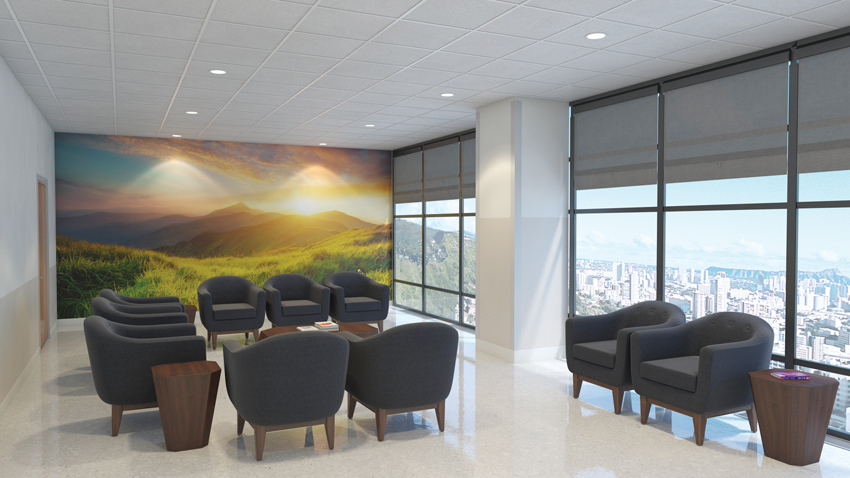
Photo courtesy of Inpro
The mountain scene on the back wall is part of a protective wall covering, not only creating a more inviting atmosphere in the room, but also protecting the walk from scrapes and dings.
Floor Systems
In multistory buildings, the structural design of a floor, which then becomes the ceiling for the floor below, can elevate the performance of the entire building. A long-span composite floor is engineered to address heavy stationary equipment dead loads as well as live loads in the way of moving equipment and human traffic, including patients and visitors. The longer-spanning floor structures open the way to fewer load-bearing beams and walls that can disrupt the flow of a space or limit its capacity for future moves, adds, or changes. These “thin-slab” floor structures, built using composite steel deck and concrete, are up to 40 percent lighter than cast-in-place concrete or hollow-core plank floors. Their design allows for faster construction, often without shoring during the erection process. The resulting larger spaces can readily be adapted to fit the evolving needs of health-care facilities.
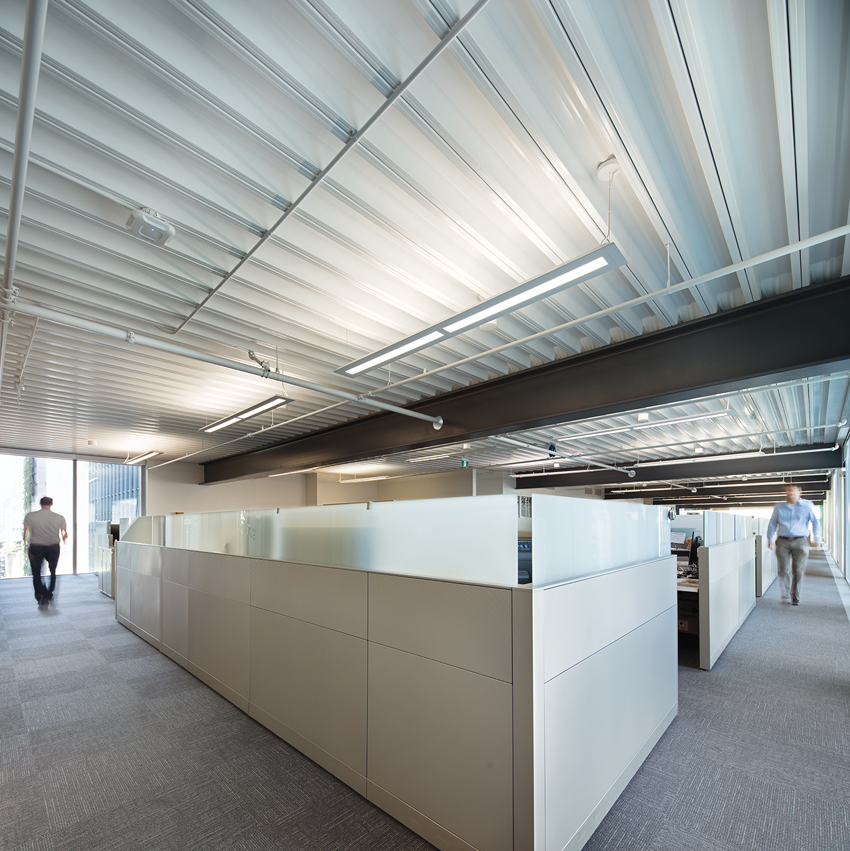
Photo courtesy of New Millennium Building Systems
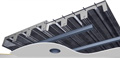
Composite long-span floor systems are ideal for multistory buildings, as they provide for more open and versatile spatial designs.
Exterior Glass Entrance Systems and Interior Glass Partitions
Exterior glass entrance systems allow the lobbies and entryways of health-care facilities to be brightly lit with natural light, inviting occupants into a place of health and wellness. Large glass doors and windows also help occupants connect with nature and feel more at ease in hospitals and health-care facilities when the purpose of their visit has likely caused uneasiness or stress. Interior glass partitions help create smaller, more separate areas in a facility while continuing to allow daylight from exterior windows to filter in. Interior partitions provide the perfect balance of privacy and connection in large health-care facilities.
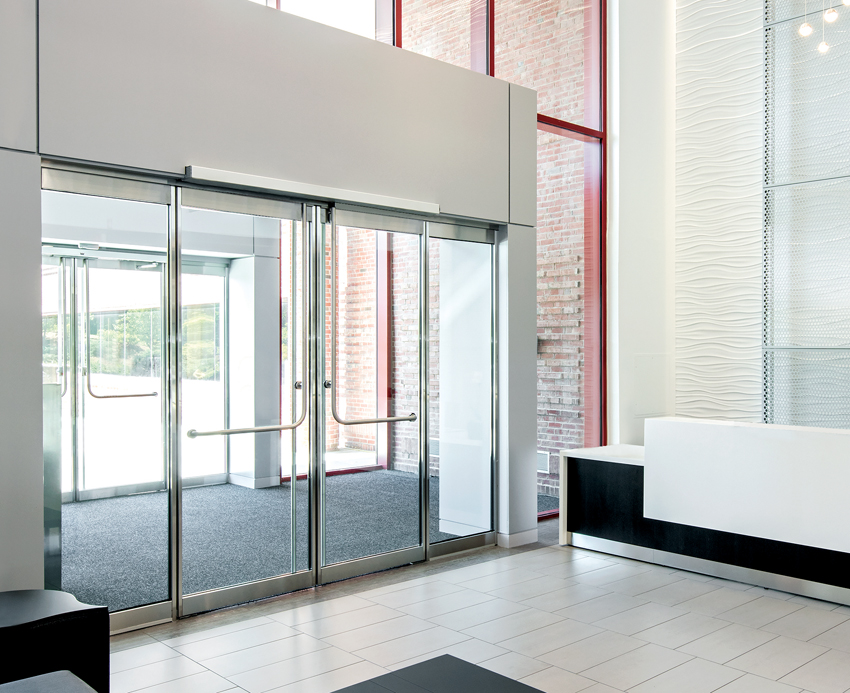
Photo courtesy of C.R. Laurence
Glass entryway systems provide visitors with a warm welcome, allowing natural light to illuminate common areas around the entrance.
Wall Protection and Solar Shades
In interior spaces where exterior windows are not an option (such as interior waiting rooms and hallways), designers can specify colorful digital wall art depicting scenes from nature to help calm and sooth occupants in health-care facilities. These beautiful walls also provide protection from unsightly scrapes, dings, and other damage. For windows that provide too much light, solar shades can be used to protect against glare while allowing occupants to still see views of nature outside.
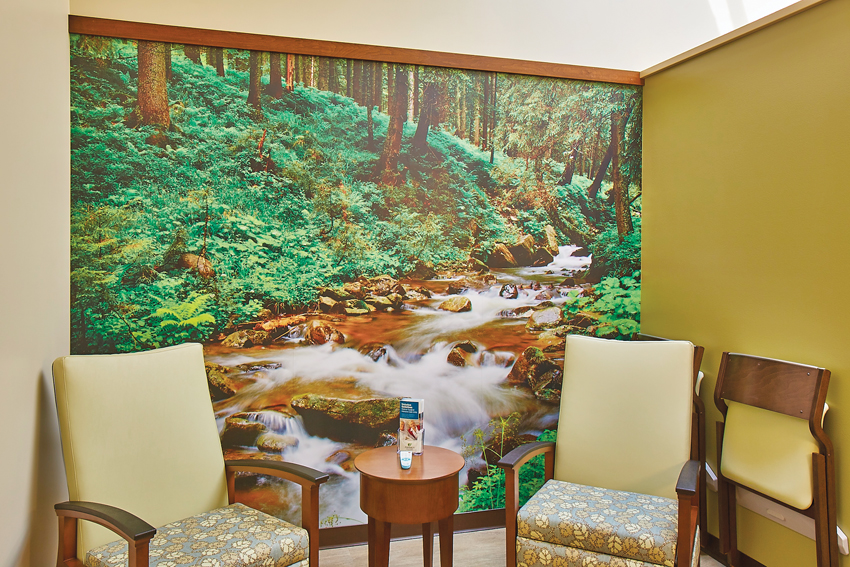
Photo courtesy of Inpro
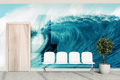
The soothing image of a creek flowing through the woods creates a calming atmosphere in this waiting room.
Daylighting, Climate Control, and the Use of Space
There are many factors that contribute to patient outcomes in a health-care setting. Aside from the direct care received from medical personnel, patients can be positively or negatively affected by their experience inside the building, treatment rooms, recovery rooms, etc.
Factors such as daylighting and occupant comfort, climate control, images of nature, and ample space can contribute to positive patient outcomes. Providers can also benefit from working in environments that allow them to adjust the use of the space as needed to accommodate the ever-changing needs of patients.
Flexible Use of Space
When designing a medical facility, it is important to consider how the space will be used. Large expansive spaces can easily be broken into smaller spaces with walls, curtains, or freestanding dividers. Walls and freestanding dividers allow for patient privacy and can also help reduce noise. Large spaces can also be broken up into smaller or medium-sized rooms to encourage connections between smaller groups of people or privacy in waiting areas. As situations change, hospitals must be able to quickly adapt their spaces to be prepared for whatever comes their way. It is much easier for health-care providers to divide larger spaces into smaller spaces than it is for smaller walled-in spaces to be converted into larger, multiuse rooms.
Long-span floor systems can maximize clear floor space by allowing column spacing to be as great as 36 feet with a deep-ribbed composite deck and up to 60 feet and longer for composite joists. These spaces are characterized by fewer support columns that can break up the flow of a room. Room configurations can be easily changed as the needs of the facility change.
If needed, large spaces can be converted into smaller spaces by adding walls. In most health-care facilities, solid walls make up one of the largest elements of an interior. In high-traffic areas, wall protections are recommended to reduce damage to walls caused by carts, gurneys, wheelchairs, and other items transported throughout a hospital.
Large areas can also be converted into smaller spaces through the use of freestanding glass partitions. By using glass instead of solid opaque materials, occupants can experience the perfect blend of connectedness and privacy. This is especially important for patients who may need to be physically isolated to reduce the risk of infection or ICU patients that need to be closely monitored by health-care providers.
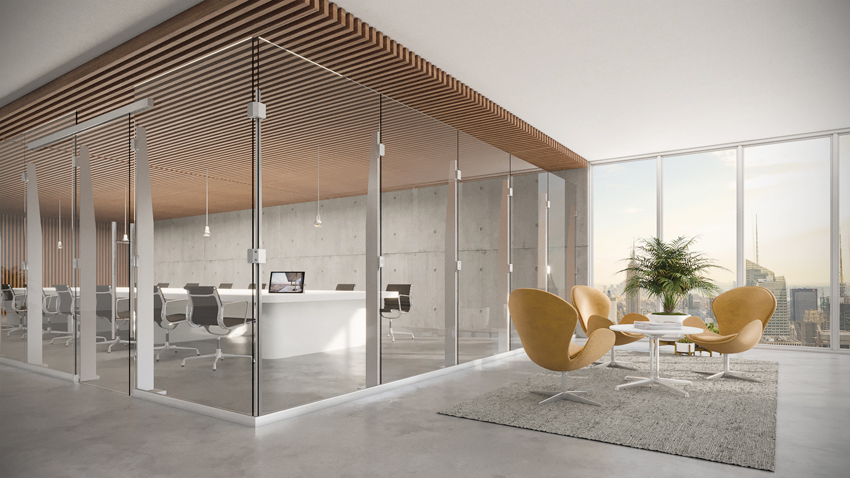
Photo courtesy of C.R. Laurence
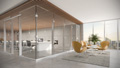
Freestanding glass partitions allow designers to cordon off areas while also allowing daylight from exterior light sources to filter into the space.
Daylighting
Building professionals and medical professionals alike are increasingly recognizing the benefits of daylighting on occupant health and welfare. Hospitals and medical facilities support a wide range of occupants including patients receiving both inpatient and outpatient care as well as medical staff (doctors, nurses, medical assistants, pharmacists, etc.) and other employees (schedulers, front desk attendants, logistical support, etc.) who contribute to ensuring that the facility and its health-care staff can provide the best care to patients while also creating an inviting environment that encourages patients to come and receive care.
Daylighting refers to the strategic placing of exterior windows, skylights, and reflective surfaces to utilize natural sunlight to provide adequate indoor lighting. Occupants receive the benefits of natural light while the facility reaps the rewards of reducing additional energy costs needed for indoor lighting throughout the day. To achieve proper daylighting, designers must consider the building’s orientation as well as specify the right materials for the job.
In the past, many hospital environments were brightly lit, noisy, sterile environments that triggered anxiety in both patients and family members alike. Proper daylighting can have a positive impact on all building occupants by helping to regulate melatonin and hormones that can lead to better, more restful sleep.
The positive impacts of daylighting have been documented in multiple studies and scientific papers. According to the National Institutes of Health, a comprehensive study of 15 years of data pertaining to 38,788 patients with a bed near the window and 46,233 patients with a bed near the door showed that patients with a bed near the windows had significantly shorter hospital stays than those with similar health conditions whose beds were positioned by the door. (All patients in the study were 79 years old or younger.) The same study also showed that “[i]nadequate light has a direct effect on fatigue, diseases, insomnia, alcohol addictions, suicides, and other psychiatric diseases. Therefore, light has been emphasized and used in the design of medical facilities.”1
Decreased sunlight can also disrupt circadian rhythms and lead to a lack of sleep and delirium, which is especially concerning for ICU patients. Wunsch et al. (2011) state that “[m]any ICUs have either no or very few windows. One study published 30 years ago suggested that critically ill patients cared for after surgery in ICU rooms with windows may have a decreased incidence of delirium.”2
In addition to direct health outcomes related to proper daylighting, patients also indirectly benefit from the positive experiences that medical and hospital staff derive from natural light and a connection with nature. Several studies have also documented how light can reduce depression and decrease fatigue while also enhancing one’s alertness.3 Improved lighting helps enable health-care professionals to better use their vision to perform tasks more accurately and to reduce eye strain and irritability caused by lack of light, too much light, unwanted glare, or shadows from artificial light sources.
Health-care providers with access to comfortable outdoor spaces, such as balconies, rooftop decks, or courtyards, have additional opportunities to connect to nature as a way of improving morale and helping to reduce stress.
In the design phase, architects must assess building orientation as it pertains to sun exposure throughout the year. This helps architects and designers determine window and glass placement as well as the types of window glazes to use. Historically, glass fenestration systems have not been considered energy efficient because they weren’t very effective at mitigating heat transfer. Fortunately, architects no longer have to sacrifice aesthetics for performance. New technologies have resulted in advanced glass and glazing systems that offer exceptional thermal performance.
Climate Control
Many health-care professionals work long shifts, actively moving throughout the building or in their workspace. Consistent temperature and climate control can also enhance their experience as well as their ability to perform their job. Conversely, patients in long-term care also spend a significant amount of time in a health-care facility, but typically aren’t as mobile and therefore have different temperature needs. A properly specified HVAC system can provide occupant comfort for all. However, because the building is a complete system, the materials used in the building envelope can affect the output and efficiency of the HVAC system. Proper window glazing can contribute to the overall system, keeping interior temperatures cool during the summer and warm during the winter. This is especially important as we continue to see an increase in extreme weather and extreme temperatures due to global climate change.
Maintaining comfortable interior temperatures places less strain on heating and cooling systems, thus enhancing energy efficiency for more sustainable health-care facilities.
An article published by the National Institutes of Health states that appropriately designed HVAC systems can enhance patients’ recovery process, can reduce the length of hospital stays, can lessen medical errors and infection rates, and can improve the indoor air quality (IAQ) and minimize HAIs.4 Comfortable interior temperatures also improve the experience for occupants, patients, and health-care providers alike.
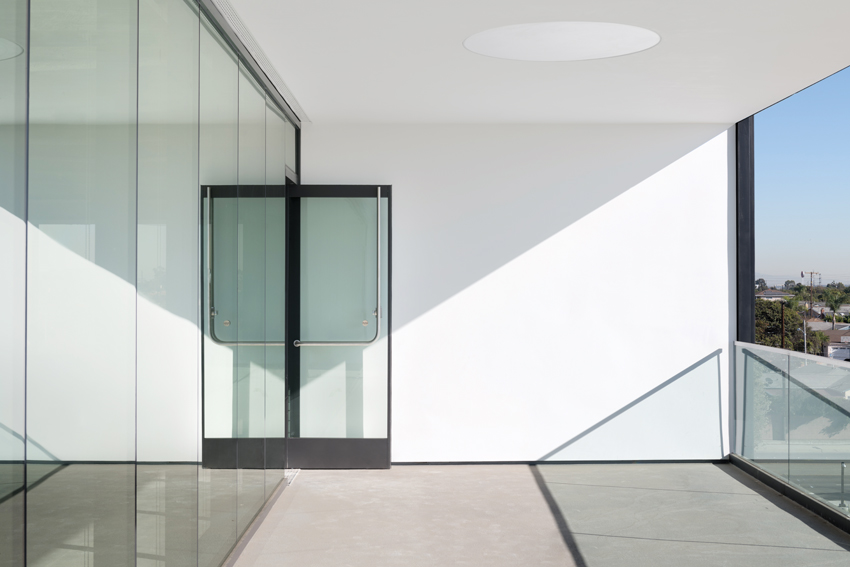
Photo courtesy of C.R. Laurence
Outdoor spaces provide an opportunity for fresh air and sunlight, which is especially important in large health-care facilities where patients, their families, and hospital employees may not be able to leave the premises for long periods of time.
Reducing the Risk of HAIs
While patients go to hospitals to get well, the risk of health-care associated infections (HAIs) is a real concern and can be very dangerous. According to the CDC, on any given day, approximately one in every 25 patients has at least one HAI.5
While reducing the length of patient stays is one way to help mitigate HAIs, physical barriers such as freestanding glass dividers can also help reduce the transmission of germs, bacteria, and viruses, thus reducing the risk of infections. Not only do the dividers prevent airborne pathogens from spreading, the partitions can also easily be cleaned and disinfected. Glass is one of the easiest materials to be cleaned because disinfectant can be sprayed directly onto the hard surface. This is preferable to the use of fabric curtains that would need to be removed, then washed and sanitized in a machine before they can be reused.
While patients often are the ones to contract HAIs, health-care providers are not immune to pathogens that can travel through a health-care facility. In the case of an epidemic, glass partitions allow for patients to be isolated in private rooms while also being closely monitored by health-care providers without entering the room.
Glass partitions and doors can also be equipped with mechanical means to open and close the doors. This limits the amount of material handling and surface touching that can contribute to the spread of HAIs.
Noise Reduction
Noise is inevitable in busy places, such as health-care facilities. In addition to being a nuisance, noise causes fractured sleep and slower healing for patients while also causing stress and distractions for health-care personnel.
In addition to creating spaces within the interior, walls also can help reduce the transmission of sound from one space to another. This can lead to lower blood pressure, improve quality of sleep, and reduce the intake of pain medication. Noise reduction can also lead to lower stress and improved communication, which is vital when a doctor is relaying health information to a patient or when health-care professionals are working together to serve patients.
Glass partitions allow for quieter spaces when compared to rooms that are partitioned with curtains that may noisily run along a track on the ceiling. The solid glass doors help create a barrier against ambient noise, conversations, and mechanical noises and beeps from medical equipment.
Long-span composite floor deck structures meet or exceed the acoustical ratings of suspended ceiling tile systems. A high-quality acoustical environment can be achieved without adding a secondary ceiling system, eliminating material and labor costs, along with saving time on the construction schedule. Deck structures are tailored for noise reduction (NRC), sound transmission (STC), and impact sound (IIC).
Specifying high-quality materials and solutions
Now that we understand the importance of adequate space, the dividing of the space, climate control, noise reduction, and lighting the space, we’ll discuss how high-quality materials can contribute to positive outcomes for both the facility and its occupants.
Foundational Support and Structural Efficiency
Thin-slab floor systems are versatile and space efficient, providing many options for increased building performance and total-project cost savings. The floors are often integrated with cold-formed steel (CFS) wall panels to provide a space-saving approach that is ideal for multistory building designs. For example, whether bearing on CFS walls, concrete walls, steel joists, or wide flange beams, a deep-ribbed composite deck floor system can provide open spans up to 36 feet, with a total floor depth range from 7.625 inches to 12.625 inches. The result is an increase in floor space and ceiling height, and possibly a reduction in building height—design possibilities that can vitally impact the financial future of a hospital environment, where available floor space will continue to be at a premium.
Performance-Related Considerations
Other factors related to floor performance include fireproofing and vibration. When specifying long-span floor systems, a concern may be that longer floors with fewer support beams may lead to an increase in floor vibration. This concern can be readily addressed by consulting with the manufacturer early in the design process. Based on the needs of the building, the manufacturer can also advise on vibration testing to assure the avoidance of unwanted deflections and perceptible walking-induced vibration.
Develop and Achieve Aesthetics
Health-care facilities should not only be functional, but also inviting. Patients and families of patients are often experiencing a lot of stress and discomfort when they visit a medical facility. Therefore, enhanced aesthetics can help to improve their experience.
When patients approach the facility, they will first notice the exterior facade. Glass entryways not only provide a glimpse of the inviting interior before the patient enters, but also allow for ample daylight to pass through and create bright interiors that help improve patient morale.
As patients sit in the waiting room or travel down the corridors, wall systems provide protection against damage from gurneys, wheelchairs, and carts. Damaged or dingy walls can create anxiety for patients who come to the facility to heal. Specifying quality wall materials and wall protection not only can protect the walls but also create a more positive environment for patients. These protective wall systems are easy to clean and are available in many colors, designs, and patterns to brighten interior spaces and to help calm occupants with scenes of nature or inspirational imagery.
Long-span composite floor systems vary aesthetically, as non-acoustical versions can be left exposed for a bold, deep-fluted ceiling appearance while exposed acoustical versions present a smooth, linear plank aesthetic with thin structural ribbing. The exposed steel deck panels are also available with a variety of coating options to enhance the finished look and feel of the project. Long-term durability is another consideration. For example, exposed decking coated with acrylic products have a durability range of 5 years, polyester products 10 years. A polyvinylidene fluoride (PVFD) coating with a clear topcoat can extend service life up to 25 years.
You will also want to assess ways to aesthetically integrate the mechanical, electrical, and plumbing (MEP) systems into the floor, ceiling, and wall structures. Certain MEP runs can pass through the channels of a deep-ribbed composite floor and be painted to visually blend into the recessed ribs. Alternatively, a cellular deck having a bottom enclosure can conceal some MEP runs.
Connecting Interior Spaces to Nature and the Great Outdoors
In health-care facilities, some patients may be able to enjoy outside spaces and access to outdoor windows while others may not. Regardless of a patient’s ability to move around the facility, there are solutions available on the market to allow health-care facilities to adapt interior spaces, ensuring that patients can connect with nature and enjoy all the positive health benefits it can promote.
Connecting Occupants with Nature and the Great Outdoors
A survey reported in WorkDesign magazine found that about 35 percent of respondents don’t get more than 15 minutes of outdoor time during a typical workday. For patients in wards or long-term care, even more time is spent indoors.
While most designers, building managers, and occupants can agree that daylighting is an important part of building design and an effective way to connect occupants to nature, it is impossible for each room in a large health-care facility to have a window with a view. For interior spaces, one effective tool is to employ biophilic design.
The term “biophilia” refers to a hypothetical human tendency to interact or be closely associated with other forms of life in nature. (Merriam Webster) Simply put, biophilia has come to mean: Love of living things. A close corollary would be: Love of nature.
Biophilic design is a concept used within the design profession to increase occupant connectivity to the natural environment through the use of direct nature, indirect nature, and space and place conditions.
The theorists argue that this approach taps into the hardwiring of human beings who, over the span of evolution, have developed an affinity for the life-supporting aspects of the natural world.
In an article in Commercial Architecture (February 2016), Senior Editor Ken Betz writes:
Roger Ulrich, Ph.D., EDAC, is a professor of architecture at the Center for Healthcare Building Research at Chalmers University of Technology in Sweden. In a study performed in 1984, he suggested that surgery patients recovered better in rooms with a view through a window. But “what few realize is that Ulrich’s famous study was essentially about the impact of biophilic design on the built environment,” said David Navarrete, director, research initiatives, The Sky Factory, Fairfield, IA.6
The idea then is to allow building occupants to have direct access to nature—for example, a window, a balcony, a rooftop garden, adjacent nature walk, or a garden courtyard to allow them to experience nature. When outdoor access is either unfeasible or impractical—natural views, graphics, and imagery can be utilized.
Exterior Fenestration and Doors
Technological improvements have allowed designers to specify larger glass doors and windows on health-care facility exteriors without sacrificing occupant comfort or energy efficiency. On the market today, there are entrance systems available that provide all-glass aesthetics alongside exceptional thermal performance. These systems offer U-factors as low as 0.33 using a thermally broken frame with double-pane insulating glass that can be filled with argon gas. Argon gas is denser than air and therefore improves thermal insulation efficiency. Argon gas paired with low-emissivity glazing helps create a high-quality entrance solution that provides adequate daylighting without allowing for solar heat gain.
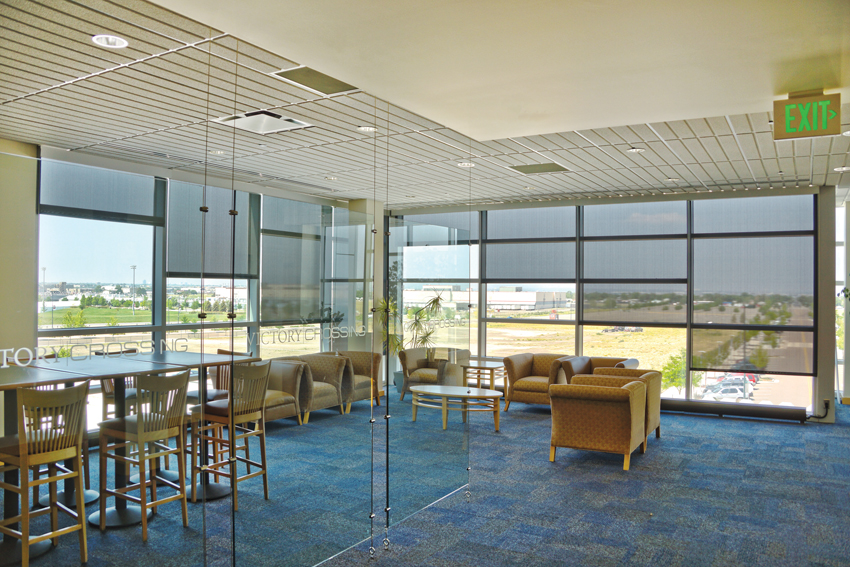
Photo courtesy of Inpro
Solar shades allow occupants to see scenes of nature outside while reducing unwanted glare.
In these systems, all-glass aesthetics are achieved using ultra-narrow 1-1⁄8-inch door stiles. In addition, door handle hardware—including tubular panic devices—can be mounted directly onto the insulating glass instead of the doorframe to create a floating-on-air appearance.
Indoor Fenestration and Doors
In addition to exterior glass entryways, designers can specify indoor glass partitions that allow for privacy while also maximizing the natural light streaming in from the entry way. This is particularly beneficial for patients and hospital employees who may not be located in a place near an exterior window and also are not able to go outdoors for a break or fresh air.
Printed Wall Protection
In cases where exterior windows and natural light are not an option, customized wall coverings showing digital art images of nature can provide a simple, cost-effective way to incorporate the benefits of biophilia in interior spaces. Entire walls, hallways, and waiting rooms can be turned into forests, beaches, and other calming relaxing scenes that provide inspiration, hope, and comfort. Any high-resolution image can be used, allowing for endless possibilities.
Digital wall art is printed on the back of a clear protective sheet that is then applied to the wall. The clear protective barrier is durable enough to withstand impact without scratching or being damaged. This is particularly important in busy areas such as hallways, corridors, and waiting rooms.
Solar Shades
Solar shades are another way designers can incorporate biophilia in hospital settings. Solar shades allow for scenic images to be incorporated into windows, providing beautiful images while allowing daylighting, a reduction of the sun’s glare and heat gain, and still allowing for outside views.
As reported in Buildings magazine (December 2018), a study of 7,600 respondents in 16 countries reported that “window views of greenery and water were linked to lower stress levels compared to greater stress levels for employees without a window.”
Quality Materials Promote Health, Safety, and Welfare for Patients and Providers
In addition to providing pleasing aesthetics and quality building designs, quality materials can also contribute to patient safety.
Protective Barrier Systems
In hospital interiors, safety is just as important as sustainability. Protective barrier systems can be installed to help prevent contagion transmission. Expansive glass partition systems are available and ideal in that they offer transparency and effective daylight diffusion, which also helps improve patient mood. Currently there are products that provide interior protective barriers featuring ultra-slim freestanding posts with a 3⁄4-inch face trim that creates virtually unobstructed views. These new post systems can reach 8 feet in height with glass installed and have the option for either a swinging or sliding door.
These systems can be detached and reconfigured to suit new design and protective requirements. This makes them sustainable because it eliminates the material waste associated with having to install brand new protective barrier systems. Post systems are also highly versatile because they offer countless configurations using any combination of end posts, center posts, and corner posts.
Fire Protection and All-Weather Construction
Thin-slab floors are designed for a minimum of 1-hour fire resistance. A dovetail long-span composite floor can be as thin as 4 inches and have a 2-hour UL-unprotected fire rating. Deep-ribbed composite floors can be as thin as 9-¼ inches and have a 2-hour UL-unprotected fire rating. Both composite decks can receive spray-applied fire-resistive material along with bearing members or coated using intumescent paint for further protection of up to 4 hours per to ASTM E119 and UL 1709.
Thin-slab floors are often used for cantilevered extensions to the outside of a building to provide balconies and other innovative open-air spaces. A deep-ribbed composite floor can also be engineered and constructed to support heavy curtain walls at the slab’s edge to create broader visual transitions to the outdoors.
Wall Protection
Many high-traffic areas often include walls, corridors that lead to lobbies and private rooms, corners at the end of corridors, and many other structural pieces that can be damaged due to foot traffic, transport of patients, transport of equipment and supplies, etc.
One way to mitigate damage to walls is by using materials that protect them from the start. Using sturdy wall protections to cover surfaces like drywall can reduce drywall breakage, reducing the amount of dust and debris in a facility, and positively affect patient safety and wellness. Wall protection can be applied in large sheets and encapsulate any dust and debris caused by cracked drywall underneath the protection. Digital wall art is made from materials that can easily be washed, sanitized and disinfected as well as withstand impact. Wall protections come in various textures and colors and can also reduce the visibility of unsightly scuffs and marks.
Additionally, crash rails and corner guards are available in various materials, colors, and styles to help protect walls from damage. Depending on the material type, crash rails and corner guards have excellent shock-absorbing qualities and can save not only the physical integrity of walls and corners, but also the aesthetic design seen by all who pass through the common areas.
Long-term cost savings
When determining the cost of health-care, there are many things to consider. While personnel costs, medical supplies, equipment, facility expenses, etc. are often the first come to mind, most people don’t consider the hidden long-term costs that can be positively or negatively affected by building design decisions.
Specifying high-quality materials may mean higher upfront costs; however, long-term energy savings, improved patient morale, and a happier, more efficient workforce could end up saving the organization lots of money over time while also promoting a more positive environment.
Hidden costs include downtime to facilities while building renovations and expansions occur, additional shading to mitigate sun exposure, long-term energy costs from a leaky envelope or incorrectly sized HVAC system, replacement costs for materials that have short life spans, and the environmental impact of disposing of those materials.
Quick and Efficient Construction and Installation
Composite floor systems allow for efficient installation on project sites. Their longer spans can often be erected without the need for temporary shoring to hold the weight of the installation crew. A deep-ribbed composite floor can be assembled in sections on the ground then crane lifted into place to establish a working platform. Sections are then rapidly fastened together to accelerate the construction timeline, leading to earlier completion and occupancy. The approach is ideal for hospital renovations, where minimized disruption to doctor and patient performance is paramount.
Total composite floor depth is directly affected by required spans and loads, and also by the system selected. Sometimes “deeper is cheaper,” but it has become increasingly important to consider overall building height and the interrelated costs of materials and installation.
“It is about critical schedule and threading the needle of complex design requirements. This speaks to true collaboration between the design team and product manufacturer,” says Alex Therien, AIA, LEED AP, a market development manager at New Millennium Building Systems.
No Additional Mitigation Needed for Excessive Daylighting
While there are many benefits of daylighting, it is possible to have “too much of a good thing.” Direct sunlight and unwanted glare can cause discomfort, eyestrain, headaches, tension, and fatigue. For hospital workers who spend the majority of their day on a computer, this could be especially harmful and lead to discomfort and downtime.
When determining window placements, it’s important to consider building orientation and its relation to the sun year-round. As the seasons change, so does the position of the sun throughout the day. For areas in which employees will be working at computers, a good rule of thumb is that the “bright to dark” ratio between the screen or work surface and the direct field of visions should not exceed 3:1. That means the work area should be no more than three times as bright as the area immediately surrounding it.
In addition to building orientation, glazing can also provide protection against unwanted glare and prevent unwanted solar heat gain. Unfortunately, if proper materials are not specified in the initial design and installed during construction, additional costs are incurred to help pay for mitigations. Common mitigations for excessive daylighting include blackout curtains, blinds (installed either indoors or outdoors) that block all views to the outdoors, and exterior structures built to create shading.
Energy Savings
Energy efficiency is key to sustainable design in health care. This is especially true for large hospitals and medical facilities. Glass is a desired architectural element in the building envelope because of its contemporary look and because it allows ample daylight to pass through and create bright interiors that help improve patient morale. Historically however, glass fenestration systems have not been considered energy efficient because they weren’t very effective at mitigating heat transfer. The good news is that today, architects no longer have to sacrifice aesthetics for performance. “The glass entryway system strikes an ideal balance between all-glass aesthetics and energy-efficient design,” says Mark Suehiro, director of the entrances group at CRL. “It solves requirements for thermal performance and weather protection while maintaining an upscale look that complements glass facades.”
Additionally, too much daylighting can lead to unwanted solar heat gains which leads to increased load on the building’s HVAC system. While windows and HVAC systems operate independently, they are closely intertwined as part of the whole building system. In the design phase, architects must specify the correct size of the HVAC system. This is not only dependent on the size of the building but also the tightness of the building envelope. If windows are not properly sealed or glazed, unwanted heat will enter the building in summer or heat generated by the HVAC system will escape in winter. Either scenario puts extra strain on the HVAC system, which increases the overall energy costs of the building.
Too often, this problem is discovered long after the designer has completed the project, which leads to occupants implementing their own mitigations (such as shutting off the system, closing the vents, etc.) that can compromise other aspects of the building system.
Reduced Replacement and Repair Costs
The specification of more durable structural materials leads to longer-term building performance. Long-span composite floor structures combine the advantages of steel and concrete to address these performance goals. But the strength and durability of the systems also support the goal of long-term sustainability. A thin-slab floor substantially reduces the volume of concrete material. The steel deck is largely made from recycled steel, which in turn can be recycled at the end of building life.
Glass partition systems allow for versatility and the ability to change configurations as needed. Some feature 316-grade stainless steel construction that ensures structural integrity and lasting durability.
Protective wall cladding protects surfaces and can also be reinforced with chair rails and trim to further protect the walls from being damaged in high traffic areas.
Limited Downtime
At the end of a product’s lifecycle, the materials must be replaced. Material and system replacements often lead to downtime or reduced occupancy in a space. Limited space leads to limited places to treat patients. It can also lead to multiple patients having to share a small space, thus negatively affecting patient outcomes while also increasing costs and reducing revenue. By specifying durable, high-quality materials, the time between renovations and repairs is longer, thus resulting in fewer disruptions.
While the costs of renovations, materials, and construction labor are often expected and considered, there are plenty of other hidden costs not readily associated with a hospital renovation. These include time spent by staff and health-care providers planning for changes to spaces, reconfiguring rooms, and adjusting schedules to ensure all patient needs are met. When renovations are complete, hospital staff and health-care providers will have to readjust spaces and schedules again to ramp operations back up to normal.
Other unforeseen “costs” include environmental disruptions that can lead to patient discomfort. This could be from noise pollution from construction or renovation efforts and the added stress of not being in a room with proper daylighting due to space limitations. These challenges have negative impacts on patient health, safety, and welfare while also contributing to longer hospital stays.
Environmental Impact
Renovations and repairs are also notorious for creating materials waste, most of which will end up in the landfill. Even materials that can be recycled will have to be carefully disassembled from the overall system, stored, and then returned to the manufacturer for recycling. By specifying quality materials, installed systems will have a longer life, thus reducing the waste generated when materials need to be replaced or costly renovations that occur when systems break down.
End Notes
1The Effects of Natural Daylight on Length of Hospital Stay, 2018
2Wunsch, H., Gershengorn, H., Mayer, S.A. et al., 2011; The effect of window rooms on critically ill patients with subarachnoid hemorrhage admitted to intensive care. Crit Care 15, R81
3Impact of Light on Outcomes in Healthcare Settings, 2006
4Effects of indoor environmental parameters related to building heating, ventilation, and air conditioning systems on patients' medical outcomes: A review of scientific research on hospital buildings, 2019
5Healthcare-Associated Infections (HAIs)
6Healthcare Design Gets Back to Nature
Jessica Jarrard is an independent writer and editor focusing on health, science, and technology. She contributes to continuing education courses and publications through Confluence Communications. www.confluencec.com