This CE Center article is no longer eligible for receiving credits.
At the start of the Industrial Revolution, the idea of take, make, and discard seemed a viable plan in a world with infinite resources. These days, it's becoming more apparent that the world’s resources are indeed limited, and that our actions and choices of materials can have lasting consequences on a much larger scale. The construction industry accounts for 20 to 40 percent of global carbon emissions, using more raw materials than any other industry. Fortunately, manufacturers and consumers alike have become more aware of the impact that materials can have on the environment and are pushing for greener buildings. By following sustainable construction principles, manufacturers, architects, specifiers, and building managers can all have a positive impact on the environment while also creating safe, comfortable, and aesthetically pleasing interiors for occupants.
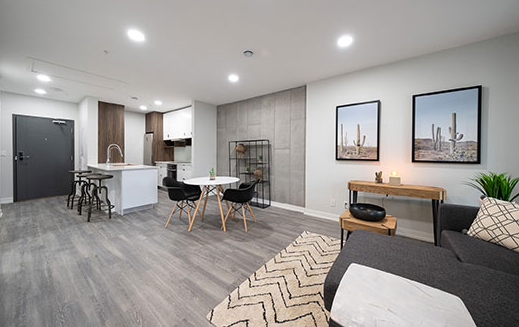
Photo courtesy of PABCO Gypsum
Gypsum wallboard can provide sound
reduction, as well as fire and mold
resistance, all in one panel, while also
providing a surface that can be finished
in many ways.
Interior Solutions
Walls, floors, and ceilings are the biggest surfaces in a space. They not only set the tone for the room, but also serve as the first line of defense for occupants against external toxins, noise, smells, and – in some cases – potential fire hazards. Walls, floors, and ceilings also encase vital systems, including plumbing and electrical wiring. To complete the desired aesthetic, finishes, paints, and patterns can be applied to surfaces.
Gypsum panels are commonly used in construction because they are a cost-effective solution, providing both safety and an aesthetically pleasing facade. Many different types of finishes and paints can be easily applied to gypsum panels, allowing the occupant versatility in customizing the aesthetics of the space. While gypsum panels are generally installed vertically, they can also be installed horizontally in a “railroad” style on either side of the studs, which cuts labor costs and decreases production timetables. In corridors it allows ductwork penetration in the plenum spaces to be addressed more efficiently. If a fire-resistant assembly is required, ensure that the design allows for horizontal application. High-quality gypsum panels can also help architects meet their acoustic goals by reducing sound transmission between spaces.
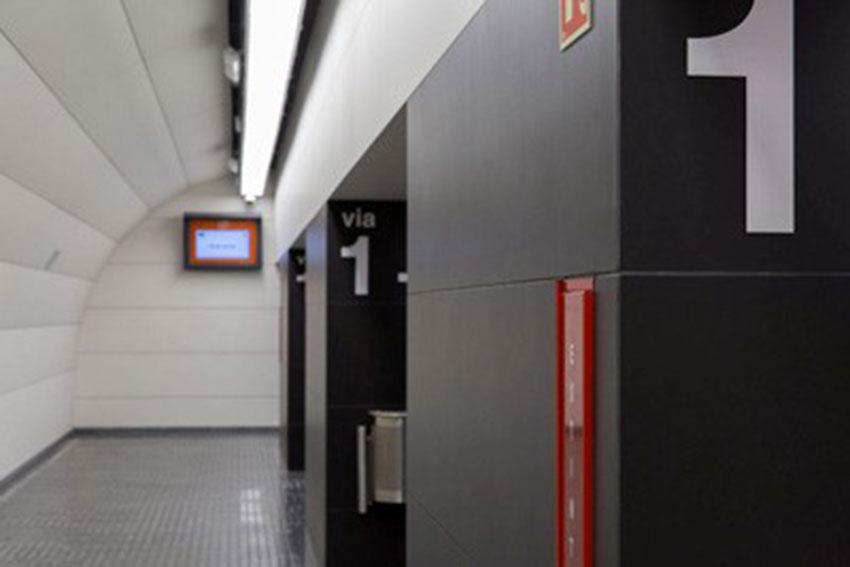
Sintered stone can also be used in interior spaces as a surface for walls, floors, countertops, and other areas where durability and design are important. Sintered stone is a relatively new, revolutionary material that combines the perfect blend of man-made processes with natural materials to create surfaces that are resistant to water, chemicals, scratches, abrasions, thermal shock, and impact. This low-maintenance material is exceptionally durable, making it a practical solution for high-traffic areas such as commercial kitchens, train stations, museums, lobbies, and other busy public places.
In commercial spaces, washrooms are heavily used and regularly cleaned, so specifying high-quality materials and accessories can greatly improve the occupants’ experience while also enhancing safety and efficiency. From toilet partitions to accessories such as paper towel dispensers, grab bars, toilet paper holders, sanitary napkin dispensers, and waste receptacles—durable, high-quality materials provide the most value to building owners and the most benefit to occupants and visitors.
With so many products and materials on the market, each with multiple features, benefits, and key specifications, designers need to be able to quickly and efficiently sift through the information and provide solutions to clients. In the last couple of decades, architecture and interior design professionals have experienced a dramatic shift in the workflows that professionals consider standard. Moving away from hand-drawing, many are embracing Building Information Modeling (BIM) software. BIM is a process supported by various technologies and tools that are used to create digital representations of physical spaces. This software can be used to model characteristics of a space, including physical infrastructure and building details.
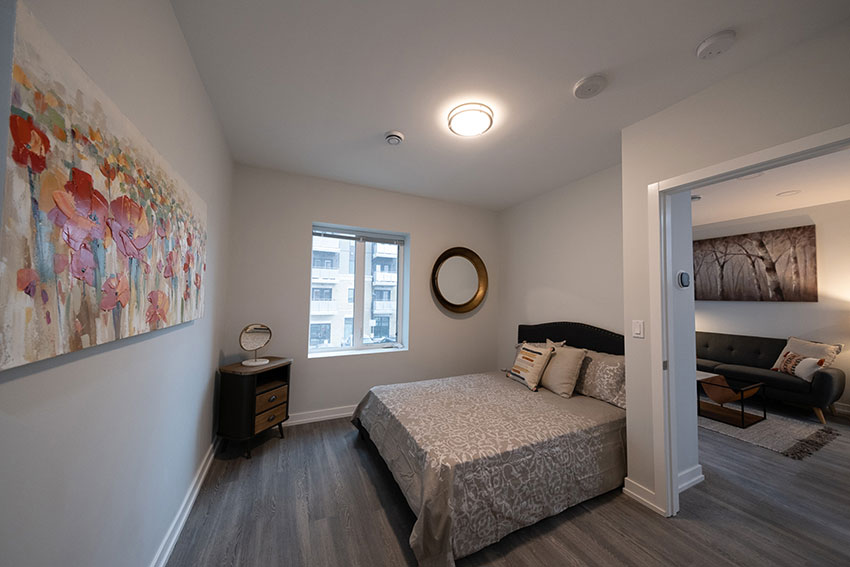
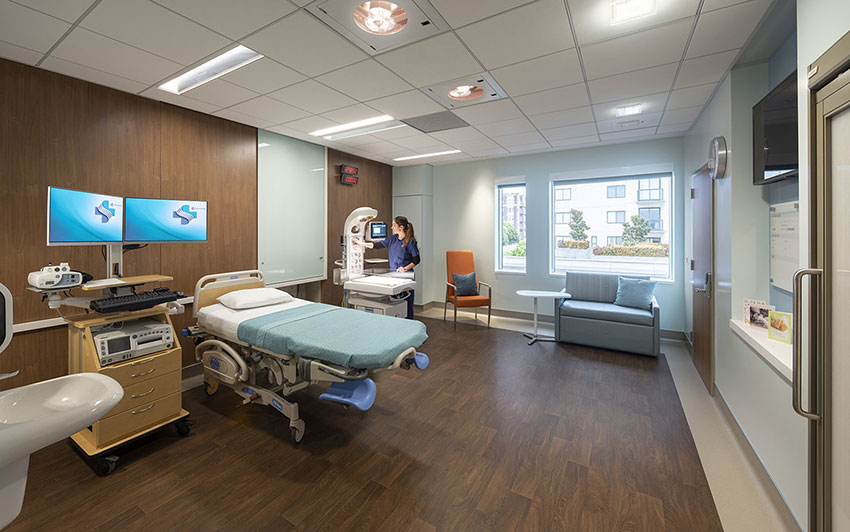
Photo courtesy of PABCO Gypsum
The walls in this bedroom are made from sound-reducing gypsum panels, a product that damps sound from adjoining rooms, using less material than conventional sound control treatments.
Sustainable Construction Principles
While materials and products may all seem similar enough, there are key differences in quality and best practices that vary by supplier and manufacturer. Building materials and products work together to create a complete system, supporting occupants and contributing to their overall experience. When specifying materials for a project, there are many things to consider, including cost, quality, ease of installation, and durability. One must also consider the environmental impact, not just with respect to the immediate selection of materials, but also how those materials will affect both the occupant’s space as well as the overall environment throughout the product’s life cycle.
In an article titled The Greening of Project Management, Robichaud and Anantatmula provide a list of sustainable construction principles based on research from a variety of sources including The U.S. Green Building Council, the Green Building SmartMarket Report, and the National Association of Homebuilders Model Green Homebuilding Guidelines. The sustainable construction principles focus on healthy built environments and resource efficiency achieved over a building's life cycle. These principles are: reducing resource consumption, reusing resources, using recycled resources, protecting nature, eliminating toxics, applying life-cycle costing, and focusing on quality.
Reducing resource consumption: By specifying high-quality materials that have a long life, fewer repairs and replacements are needed, thus reducing the amount of resources and materials mined, manufactured, and consumed.
Reusing resources: Some materials can be reused for other applications with minimal processing, thus preventing them from being discarded. When installing these materials, consider installing them in such a way that they can be deconstructed easily for reuse or recycling, rather than needing to be demolished for extraction at the end of their life.
Using recycled resources: By specifying products that use post-recycled content, materials that would have ended up in the landfill can be reprocessed to serve a completely different purpose. Many of the products we’ll discuss in this article were created using recycled resources.
Protecting nature: Sustainable development and management of natural materials aims to reduce the impact on the environment caused by harvesting resources that cannot be quickly and effectively replenished. Measures include both reusing materials and recycling whenever possible to prevent materials from ending up in the landfill where they will decompose and contribute to carbon emissions. It is also important to consider the method of harvesting resources when selecting materials, and to choose methods that make use of renewable and sustainable energy sources.
Eliminating toxics: Using natural products without volatile organic compounds (VOCs) helps eliminate toxic emissions that can be introduced in a space, especially interior spaces with limited ventilation. While many natural products do not contain VOCs, some natural products may be coated with VOC resins or plastics to help seal in oils or to protect natural materials. These coatings and resins often introduce unwanted toxins to an interior space, which can affect occupants who regularly interact with the surfaces. At the end of a product’s life, toxic materials and chemicals must be properly disposed of as they can cause additional harm to the environment if improperly sent to the landfill or poured down a drain.
Applying life-cycle costing: Life-cycle costing is a method used to assess the total cost of facility ownership. This includes acquiring, owning, and disposing of a building and/or building system and includes the materials specified in both interior and exterior spaces. Longer-lasting materials that can be easily and inexpensively disposed of will have a more advantageous long-term benefit-to-cost ratio, not only for the building owner but also for the environment.
Focusing on quality: High-quality materials are the key to longevity and performance. While high-quality materials may be more expensive and more costly to install, these costs are almost always recuperated because high-quality materials in general require less maintenance and are longer lasting. Quality products that are designed to save energy also often have higher up-front costs that are recuperated in energy savings over the life of the product.
Let’s discuss some different interior solutions and how specifying high-quality products can help buildings meet sustainable construction goals.
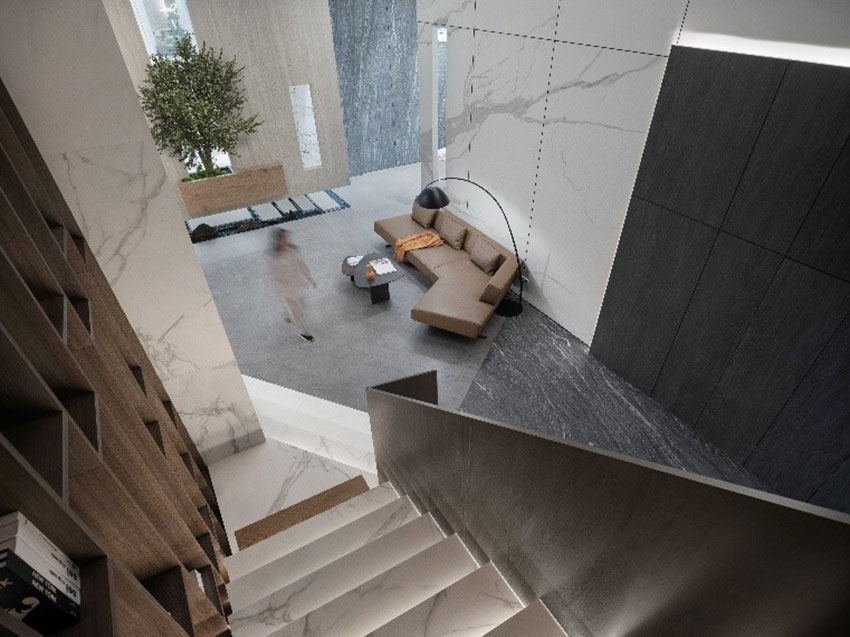
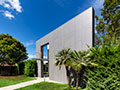
Photo courtesy of PABCO Neolith
Sintered stone surfaces are installed at the Neolith Life Museum by TechSize.
At the start of the Industrial Revolution, the idea of take, make, and discard seemed a viable plan in a world with infinite resources. These days, it's becoming more apparent that the world’s resources are indeed limited, and that our actions and choices of materials can have lasting consequences on a much larger scale. The construction industry accounts for 20 to 40 percent of global carbon emissions, using more raw materials than any other industry. Fortunately, manufacturers and consumers alike have become more aware of the impact that materials can have on the environment and are pushing for greener buildings. By following sustainable construction principles, manufacturers, architects, specifiers, and building managers can all have a positive impact on the environment while also creating safe, comfortable, and aesthetically pleasing interiors for occupants.
Photo courtesy of PABCO Gypsum
Gypsum wallboard can provide sound
reduction, as well as fire and mold
resistance, all in one panel, while also
providing a surface that can be finished
in many ways.
Interior Solutions
Walls, floors, and ceilings are the biggest surfaces in a space. They not only set the tone for the room, but also serve as the first line of defense for occupants against external toxins, noise, smells, and – in some cases – potential fire hazards. Walls, floors, and ceilings also encase vital systems, including plumbing and electrical wiring. To complete the desired aesthetic, finishes, paints, and patterns can be applied to surfaces.
Gypsum panels are commonly used in construction because they are a cost-effective solution, providing both safety and an aesthetically pleasing facade. Many different types of finishes and paints can be easily applied to gypsum panels, allowing the occupant versatility in customizing the aesthetics of the space. While gypsum panels are generally installed vertically, they can also be installed horizontally in a “railroad” style on either side of the studs, which cuts labor costs and decreases production timetables. In corridors it allows ductwork penetration in the plenum spaces to be addressed more efficiently. If a fire-resistant assembly is required, ensure that the design allows for horizontal application. High-quality gypsum panels can also help architects meet their acoustic goals by reducing sound transmission between spaces.
Sintered stone can also be used in interior spaces as a surface for walls, floors, countertops, and other areas where durability and design are important. Sintered stone is a relatively new, revolutionary material that combines the perfect blend of man-made processes with natural materials to create surfaces that are resistant to water, chemicals, scratches, abrasions, thermal shock, and impact. This low-maintenance material is exceptionally durable, making it a practical solution for high-traffic areas such as commercial kitchens, train stations, museums, lobbies, and other busy public places.
In commercial spaces, washrooms are heavily used and regularly cleaned, so specifying high-quality materials and accessories can greatly improve the occupants’ experience while also enhancing safety and efficiency. From toilet partitions to accessories such as paper towel dispensers, grab bars, toilet paper holders, sanitary napkin dispensers, and waste receptacles—durable, high-quality materials provide the most value to building owners and the most benefit to occupants and visitors.
With so many products and materials on the market, each with multiple features, benefits, and key specifications, designers need to be able to quickly and efficiently sift through the information and provide solutions to clients. In the last couple of decades, architecture and interior design professionals have experienced a dramatic shift in the workflows that professionals consider standard. Moving away from hand-drawing, many are embracing Building Information Modeling (BIM) software. BIM is a process supported by various technologies and tools that are used to create digital representations of physical spaces. This software can be used to model characteristics of a space, including physical infrastructure and building details.
Photo courtesy of PABCO Gypsum
The walls in this bedroom are made from sound-reducing gypsum panels, a product that damps sound from adjoining rooms, using less material than conventional sound control treatments.
Sustainable Construction Principles
While materials and products may all seem similar enough, there are key differences in quality and best practices that vary by supplier and manufacturer. Building materials and products work together to create a complete system, supporting occupants and contributing to their overall experience. When specifying materials for a project, there are many things to consider, including cost, quality, ease of installation, and durability. One must also consider the environmental impact, not just with respect to the immediate selection of materials, but also how those materials will affect both the occupant’s space as well as the overall environment throughout the product’s life cycle.
In an article titled The Greening of Project Management, Robichaud and Anantatmula provide a list of sustainable construction principles based on research from a variety of sources including The U.S. Green Building Council, the Green Building SmartMarket Report, and the National Association of Homebuilders Model Green Homebuilding Guidelines. The sustainable construction principles focus on healthy built environments and resource efficiency achieved over a building's life cycle. These principles are: reducing resource consumption, reusing resources, using recycled resources, protecting nature, eliminating toxics, applying life-cycle costing, and focusing on quality.
Reducing resource consumption: By specifying high-quality materials that have a long life, fewer repairs and replacements are needed, thus reducing the amount of resources and materials mined, manufactured, and consumed.
Reusing resources: Some materials can be reused for other applications with minimal processing, thus preventing them from being discarded. When installing these materials, consider installing them in such a way that they can be deconstructed easily for reuse or recycling, rather than needing to be demolished for extraction at the end of their life.
Using recycled resources: By specifying products that use post-recycled content, materials that would have ended up in the landfill can be reprocessed to serve a completely different purpose. Many of the products we’ll discuss in this article were created using recycled resources.
Protecting nature: Sustainable development and management of natural materials aims to reduce the impact on the environment caused by harvesting resources that cannot be quickly and effectively replenished. Measures include both reusing materials and recycling whenever possible to prevent materials from ending up in the landfill where they will decompose and contribute to carbon emissions. It is also important to consider the method of harvesting resources when selecting materials, and to choose methods that make use of renewable and sustainable energy sources.
Eliminating toxics: Using natural products without volatile organic compounds (VOCs) helps eliminate toxic emissions that can be introduced in a space, especially interior spaces with limited ventilation. While many natural products do not contain VOCs, some natural products may be coated with VOC resins or plastics to help seal in oils or to protect natural materials. These coatings and resins often introduce unwanted toxins to an interior space, which can affect occupants who regularly interact with the surfaces. At the end of a product’s life, toxic materials and chemicals must be properly disposed of as they can cause additional harm to the environment if improperly sent to the landfill or poured down a drain.
Applying life-cycle costing: Life-cycle costing is a method used to assess the total cost of facility ownership. This includes acquiring, owning, and disposing of a building and/or building system and includes the materials specified in both interior and exterior spaces. Longer-lasting materials that can be easily and inexpensively disposed of will have a more advantageous long-term benefit-to-cost ratio, not only for the building owner but also for the environment.
Focusing on quality: High-quality materials are the key to longevity and performance. While high-quality materials may be more expensive and more costly to install, these costs are almost always recuperated because high-quality materials in general require less maintenance and are longer lasting. Quality products that are designed to save energy also often have higher up-front costs that are recuperated in energy savings over the life of the product.
Let’s discuss some different interior solutions and how specifying high-quality products can help buildings meet sustainable construction goals.
Photo courtesy of PABCO Neolith
Sintered stone surfaces are installed at the Neolith Life Museum by TechSize.
Specifying High-Quality Materials For Interior Spaces
The specification of high-quality materials and products is key when meeting sustainable construction goals because these products often have a long life cycle and do not contain harmful materials or volatile organic compounds (VOCs). High-quality materials can be used in interior spaces, both commercial and residential, to ensure occupant safety and comfort without sacrificing aesthetic considerations. Whether it’s an office building, stadium, healthcare facility, hotel or multi-unit residential building, or even a subway station or airport, high-quality, sustainable products are versatile and provide many benefits, both seen and unseen, to occupants.
Drywall
Drywall became popular in the mid-20th-century as a time-, cost-, and labor-saving alterative to lath and plaster. It consists of panels made from gypsum, or calcium sulfate dihydrate, which is an abundant natural resource with mineral deposits located all over the world. Gypsum is mixed with water and varying additives, then the slurry is extruded between sheets of facer and backer paper or woven glass fiber mats, to create a monolithic panel. It is important to look for gypsum products that use additives that are safe for people and the environment. The paper used in the manufacturing of gypsum panels can be made from 100 percent recycled content. The gypsum panels themselves are manufactured with varying amounts of recycled material.
Gypsum panels provide a safe, effective, and aesthetically pleasing environment for interior spaces. Walls can be easily customized and installed in settings such as healthcare facilities, multifamily residential buildings, office spaces, and recording studios to enhance the occupants' environment, and to provide protection against mold, mildew, fire, and noise.
While gypsum is always the key material, not all products are created equal. When selecting gypsum panels, be sure to review the manufacturer’s specifications and results when tested against international standards for sound control, mold, mildew, and fire protection. Products with high ratings and good test results will perform better and have a longer product life.
Another sign of a high-quality product is the ease of installation. Look for sound-damping gypsum panels that cut cleanly and snap easily, creating smooth edges and surfaces. Interior glass mat wall panels can be installed early in the construction process, allowing for other key building components, such as plumbing and electrical wiring, to be added to the building early on. Integrating the walls, plumbing, and electrical components early in the process as part of a complete system not only speeds up the overall construction process and helps to reduce costs, it can also ensure a better quality, code-compliant application.
Sintered Stone Surfaces
Sintered stone is one of the most durable surface materials on the market. It can be applied to walls, floors, ceilings, countertops, furniture, and even used in bedrooms, in both commercial and residential applications. It is resistant to extreme temperatures, fire, and thermal shock. Because sintered stone surfaces can withstand heavy chemicals, cleaning products, extreme temperatures, and UV rays, it is an ideal choice for kitchen walls and countertops, both interior and exterior surfaces in banks, offices, multi-unit residential buildings, outdoor courtyards, hospital settings, as well as train stations, public restrooms, and other areas that are subject to heavy traffic and/or are in need of regular, thorough cleanings.
This natural surface contains no resins or plastics, which is safer for both occupants in spaces where sintered stone surfaces are installed, as well as for those who manufacture the product. Since the material is made of minerals, clay, feldspar, and other natural materials, it does not emit toxic fumes when exposed to fire or extremely high heat. An additional benefit to the occupant is that sintered stone surfaces do not need to be sealed to be preserved, unlike wood walls, floors, or countertops. The fact that no sealant is required saves the occupant the burden of introducing chemicals into the interior space, thus eliminating exposure to those chemicals and their potentially toxic fumes.
Sintered stone surfaces are not only durable and easy to clean, they can also elevate the aesthetics of any interior as they are available in dozens of colors and patterns, resembling everything from marble and granite to timber and metal. There are also many textures available, meaning the surface can be smooth, for use in countertops and walls, or it can be made slightly rough, providing good grip potential for flooring, showers, and pool decks. It is available in a variety of formats and thicknesses, providing the perfect balance between form and functionality.
While the material can sometimes resemble granite, one of its many benefits is that it is less porous than granite, thus preventing it from holding any liquids or stains. This makes it ideal for use in kitchen counters as well as areas around swimming pools and outdoor spaces that are exposed to the elements.
Since it is made from natural materials, at the end of its life, sintered stone is fully recyclable and new sintered stone surfaces can be made from recycled products.
Washroom Partitions
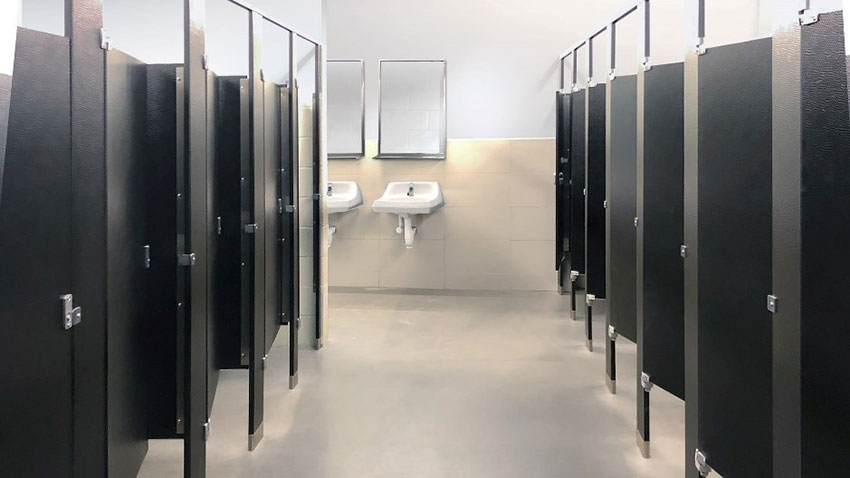
In commercial washrooms and bathrooms, individual spaces are separated by walls or partitions. Privacy partitions can be made from many materials, including stainless steel, solid plastic high-density polyethylene (HDPE), powder-coated steel, plastic laminate moisture guard, and phenolic. Partitions are available in various mounting styles: anchored to the floor, anchored to the ceiling, floor-anchored and overhead-braced, and floor-to-ceiling-anchored. In phenolic and solid plastic partitions sightlines into the stalls can be blocked by routing doors and pilasters to overlap. To achieve the same level of privacy in metal partitions, up until now add-on privacy strips have had to be installed in the field. Now architects have the ability to specify newly designed metal partitions that have privacy strips built into the doors during the manufacturing process, saving their clients time and money during construction. As an added bonus, the privacy components come color-matched to the stalls.
High-quality partition materials, handles, and hinges will not rust, dent, or delaminate over time. Providing extra benefit to areas subject to heavy use, many high-quality materials are resistant to damage from impact and graffiti.
WASHROOM ACCESSORIES
The functionality and flow of a washroom can be improved through the addition of accessories that allow occupants to easily access what they need and then return to their activities, particularly in washrooms, which are subject to heavy use, often by large numbers of people at the same time.
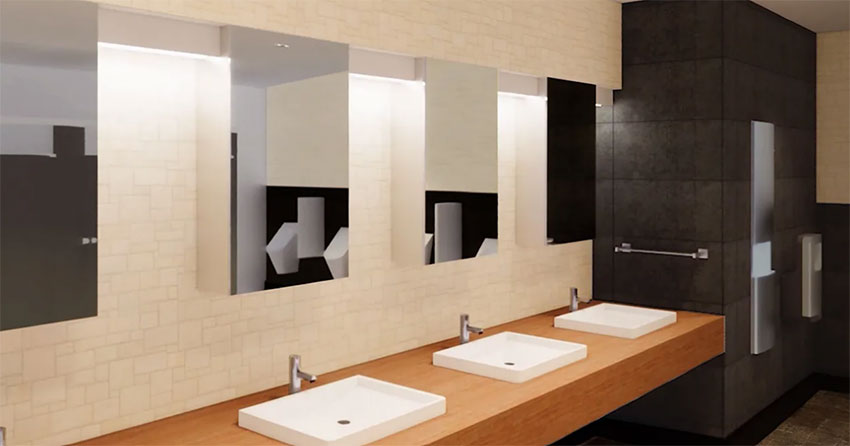
Photo courtesy of ASI Group
Mirrors, grab bars, paper towel dispensers, and waste receptacles are just a few of the accessories that can be specified and customized for commercial washrooms.
Grab Bars
Grab bars can be specified and installed in single occupancy washrooms and bathroom stalls to make spaces ADA compliant. These grab bars are made of high-quality, 18-gauge 304 stainless steel, with optional textured surfaces for added safety, and are made in accordance with ADA guidelines for strength requirements. Grab bars are also available in finishes to match various design aesthetics, and are made with antimicrobial characteristics to suppress the growth of mold, bacteria, fungus, algae, mildew, and yeasts.
Toilet Paper Dispensers
There are a wide range of toilet paper dispensers on the market consisting of various materials and mounting types. Consider stainless steel options to help meet sustainable construction goals as these units will have a longer life without corroding, rusting, or breaking. They are also easy to clean and provide options for multiple rolls to be stored and used at once, making them ideal for high-volume washrooms.
Sanitary Napkin and Tampon Dispensers
Sanitary napkin and tampon dispensers come in a variety of capacities and can accommodate coin or free operations. Some are surface-mounted while others can be fully or semi-recessed to free up space within the washroom. Coin boxes should be keyed separately from door locks for extra security.
Waste Receptacles
Waste receptacles come in a range of sizes, from small to large, and many configurations, including floor-standing, surface-mounted, recessed, and semi-recessed. To encourage good hygiene practices, traffic flow, and reduce floor waste, a receptacle can be placed near exits for building patrons who prefer to open doors with paper towels. Three-bin recycling stations, as well as sanitizing wipe dispensers with a waste receptacle, are also available.
Automatic Hand Dryers
Automatic hand dryers can replace or be used in conjunction with paper towel dispensers. Automatic hand dryers not only help reduce paper waste caused by single use paper towels, they also allow occupants to dry their hands without having to touch any handles or levers, making them an ideal option for public restrooms. Advancements in technology have allowed for the design and manufacture of automatic hand dryers that use less energy, are quieter, and require less maintenance. In addition, HEPA filters are included with certain hand dryer models to purify the airstream.
Stainless Steel Surfaces
All of the washroom accessories discussed here are available in stainless steel construction. Stainless steel has many benefits, especially in washrooms, because it is durable and is corrosion-resistant. It is nonporous, so it doesn’t harbor bacteria and therefore does not require the use of harsh chemicals to keep it clean and sanitized, nor does it need additional surface treatments to maintain its protection. Other materials require additional coatings that can be a source of harmful emissions.
Stainless steel is also 100 percent recyclable and can contain up to 70 percent recycled content, making it an ideal material to meet sustainable construction goals.
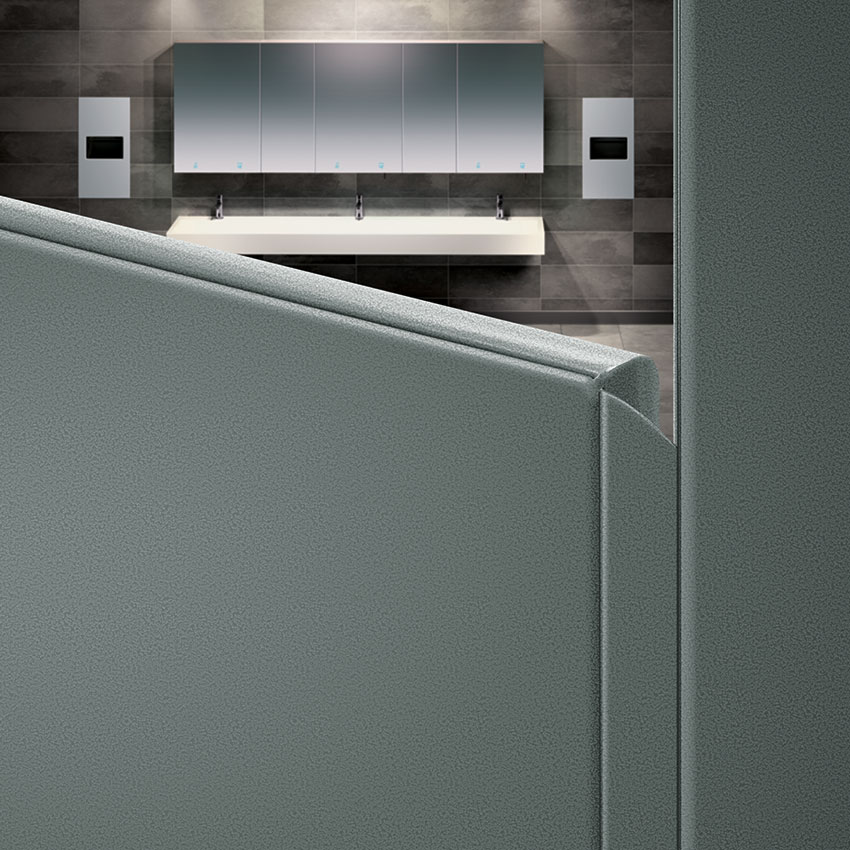
Photo courtesy of ASI Group
Metal partitions with privacy strips included without the need for add-ons.
Utilizing Building Information Modeling (BIM) Software
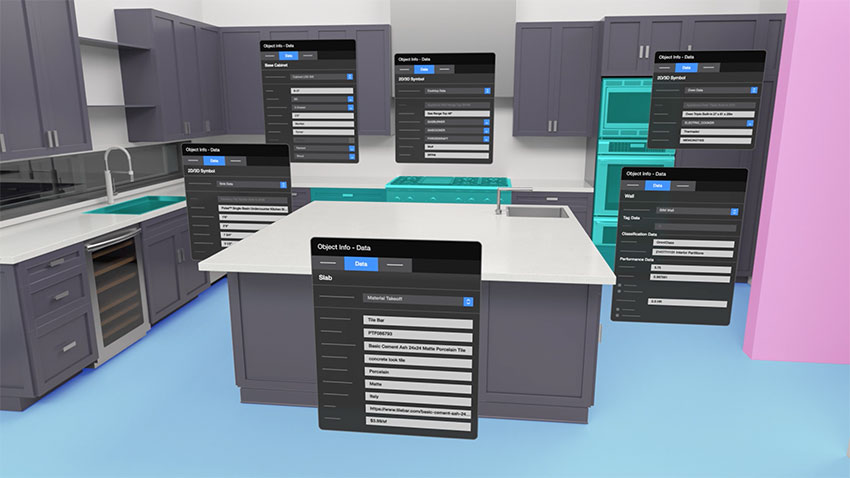
Photo courtesy of Vectorworks, Inc.
BIM software allows designers to quickly and easily see how materials and finishes will look in a building, allowing for quick changes and generation of comprehensive reports and documentation at the end of the process.
All of the products and materials discussed here have many features, benefits, finishing options, and accessories that can be configured or specified to fit a space. Rather than sifting through product manuals or clicking through multiple manufacturer websites to view and consider specifications, Building Information Modeling software can help streamline this process by serving as both a database of materials and products, as well as a design solution.
BIM technology can provide 3D models and design drawings to help with the planning and specification process. Materials can be incorporated into the 3D models, allowing architects to visualize the aesthetic impact of materials and to allow clients to “preview” their interior design ideas. By showing them how material changes will impact the interior space, clients can make better informed decisions prior to purchasing or installing a material, thus saving time and money while also reducing the need to return, or dispose of, unused products.
BIM software helps support design in four phases: pre-design, schematic design, design development, and construction documentation.
In planning and schematic design phases, designers can create a vision while using intuitive drawing tools supported by a flexible and easy-to-use program that is perfect for space planning and programming. By supporting multiple file formats, designers can pull together all necessary information to start the project, providing everything needed for conceptual design and planning. BIM software allows designers to visualize concepts with integrated 3D rendering and to share high-quality graphics with the entire team.
In the design development phase, more project details are determined, leading to cost estimations, coordination, and refining design decisions. BIM software saves all data and information to allow for easy reporting.
Using a building information model that can be easily moved from the design phase to the documentation phase, designers can provide detailed documentation and 3D models to share with the entire project team throughout the project life cycle.
To provide additional accuracy in the specification process, manufacturers can upload and embed key specifications and information about their products directly into the building information model so that information is readily available and easy to view, change, and view again.
BIM software programs can be programmed to contain classifications, as well as for things like embodied carbon, volatile organic compounds (VOC), and other material components, allowing them to be fully customized to fit the specific need for each product. This information not only provides insight into the aesthetics, but also a projection of life-cycle costing as well as what material was previous recycled or will need to be recycled at the end of its life.
Another benefit you get from using a BIM process is the automation of extracting and reporting. For example you can calculate the embodied carbon for each material used in design. The ability to quantify materials helps architects, designers, and clients make informed decisions that will lead to better results and help recognize the long-term benefits of sustainable materials. While some sustainable materials may have a higher up-front cost, over time they can provide cost savings due to their longevity and ability to be recycled rather than scrapped and thrown away.
CREATING SAFE, QUIET, AND COMFORTABLE SPACES FOR OCCUPANTS
Another major benefit to specifying and installing high-quality products using sustainable materials is that many of those products also help improve the occupant’s experience by creating safe, quiet, and comfortable spaces.
Mold Resistance
Mold and mildew can be a problem in interior spaces that are prone to steam or water penetration such as kitchens, bathrooms, and basements. Many basic building and home inspections include a visual inspection for mold, but if spores are hidden behind exterior surfaces or deep within materials, both mold and mildew are virtually impossible to detect without laboratory tests of samples taken from the walls, ceilings, and/or floors. Walls, flooring, ceilings, and areas around plumbing often provide lots of places for mold and mildew to grow undetected, leaving it unmitigated until it’s too late.
Fortunately, there are many natural products on the market that can help stop or prevent the growth and propagation of mold.
Gypsum panel products can be manufactured with mold- and water-resistance utilizing special additives mixed with the core and the facers while still providing a smooth surface for finishing. Some interior materials with a mold-resistant core and fiberglass mat facers are rated to withstand exposure to normal weather conditions up to one year without compromising product performance. That means exposed materials are protected during the construction process.
Sintered stone also has natural antimicrobial properties, therefore sintered stone surfaces are naturally protected against bacteria. Because it has a porosity of less than 0.09 percent, sintered stone doesn’t absorb water and is therefore less likely to succumb to issues associated with water penetration, such as mold. Its low porosity and durability allow it to be easily cleaned and to withstand cleaning agents and abrasive materials without being damaged, thus preventing damage that would create new areas for mold to hide and grow.
Stainless steel materials, especially those used in bathroom partitions, soap and paper towel dispensers, waste receptacles, hinges, etc., help prevent the growth and spread of mold and mildew. The nonporous surfaces make it harder for mold to grow and can be easily cleaned without harsh chemicals or scrubbing.
Fire Resistance
Many of the natural materials discussed in this article also have natural fire-resistant qualities.
Gypsum is naturally noncombustible and fire-resistant. The ASTM E119 Standard Test Methods for Fire Tests of Building Construction and Materials (or UL 263 Standard for Safety of Fire Tests of Building Construction Materials) are the test methods used for evaluating fire-resistance assemblies. These panels with enhanced fire resistance are manufactured in many thicknesses and core type designations. It is important to check the fire resistance-rated design to ensure the proper panel is selected.
Confirm all specifications with the manufacturer and look for items and finishes that meet ASTM E 84, the standard test method for assessing the surface burning characteristics of building products. This standard is often referenced in conjunction with the National Fire Protection Association (NFPA) 286, the standard method for fire tests and evaluating products.
Stainless steel is also fire-resistant. While it can melt if it reaches too high of a temperature, stainless steel cannot catch fire and will not aid in the spreading or propagation of fire.
Raw materials used to make sintered stone are fused or “sintered” together using high heat, pressure, and sometimes electricity, to create the stone, making it a naturally fire-resistant material. These surfaces are ideal for kitchens and areas that are exposed to high heat because the material will not scorch or burn. Hot pots and pans can be placed directly on the surface without causing any damage or fire danger.
Sound Control and Noise Reduction
Noise control can improve the occupant experience dramatically, whether it be in healthcare, education, hospitality, multifamily residential, mixed-use, or recording studio projects. When reviewing product specifications for materials that can help damp noise, look for products that show results from ASTM E 90 Sound Transmission Loss (STL) tests.
High-quality gypsum panels contain sound-damping properties that can reduce noise between rooms. For retrofit projects, panels can be easily installed as one layer over existing walls with no demolition, reducing downtime and labor costs. Additional materials can be wrapped around electrical outlets to seal penetrations helping to ensure that the required STC results are obtained. Noise reduction is especially beneficial to patients healing in hospital settings. Conversations in hallways and at nurse’s stations, as well as the sounds of machines beeping notifications, can increase heart rate, blood pressure, and respiratory rate for patients. This can increase anxiety levels leading to increased healing time and the potential for introducing or perpetuating psychiatric symptoms.
Jessica Jarrard is an independent writer and editor focusing on health, science, and technology. She contributes to continuing education courses and publications through Confluence Communications. www.confluencec.com
End Notes
1Robichaud, L. B. & Anantatmula, V. S. (2008). The greening of project management: adapting project management practices to deliver cost efficient green building construction. Paper presented at PMI Research Conference: Defining the Future of Project Management, Warsaw, Poland. Newtown Square, PA: Project Management Institute.
2Robichaud, L. B. & Anantatmula, V. S. (2008). The greening of project management: adapting project management practices to deliver cost efficient green building construction. Paper presented at PMI® Research Conference: Defining the Future of Project Management, Warsaw, Poland. Newtown Square, PA: Project Management Institute.