Vincent Chang and Andrew Byrne from Grimshaw Architects
Designing Resilient Transportation and Adaptive Reuse
Sponsored by Architectural Record | Presented by Vincent Chang and Andrew Byrne
As cities invest in transportation infrastructure and rethink existing buildings, architects play a critical role in creating environments that are intuitive, resilient, and responsive to community needs. In this episode, Grimshaw Architects' Vincent Chang and Andrew Byrne discuss the design philosophy behind major transportation projects including the LAX Metro Transit Center, high-speed rail stations, and adaptive reuse projects such as the Museo del Acero in Mexico.
The conversation explores how thoughtful planning, intuitive wayfinding, durable materials, stakeholder engagement, and adaptive reuse contribute to healthier, safer, and more sustainable public spaces while improving the daily experience of millions of users.
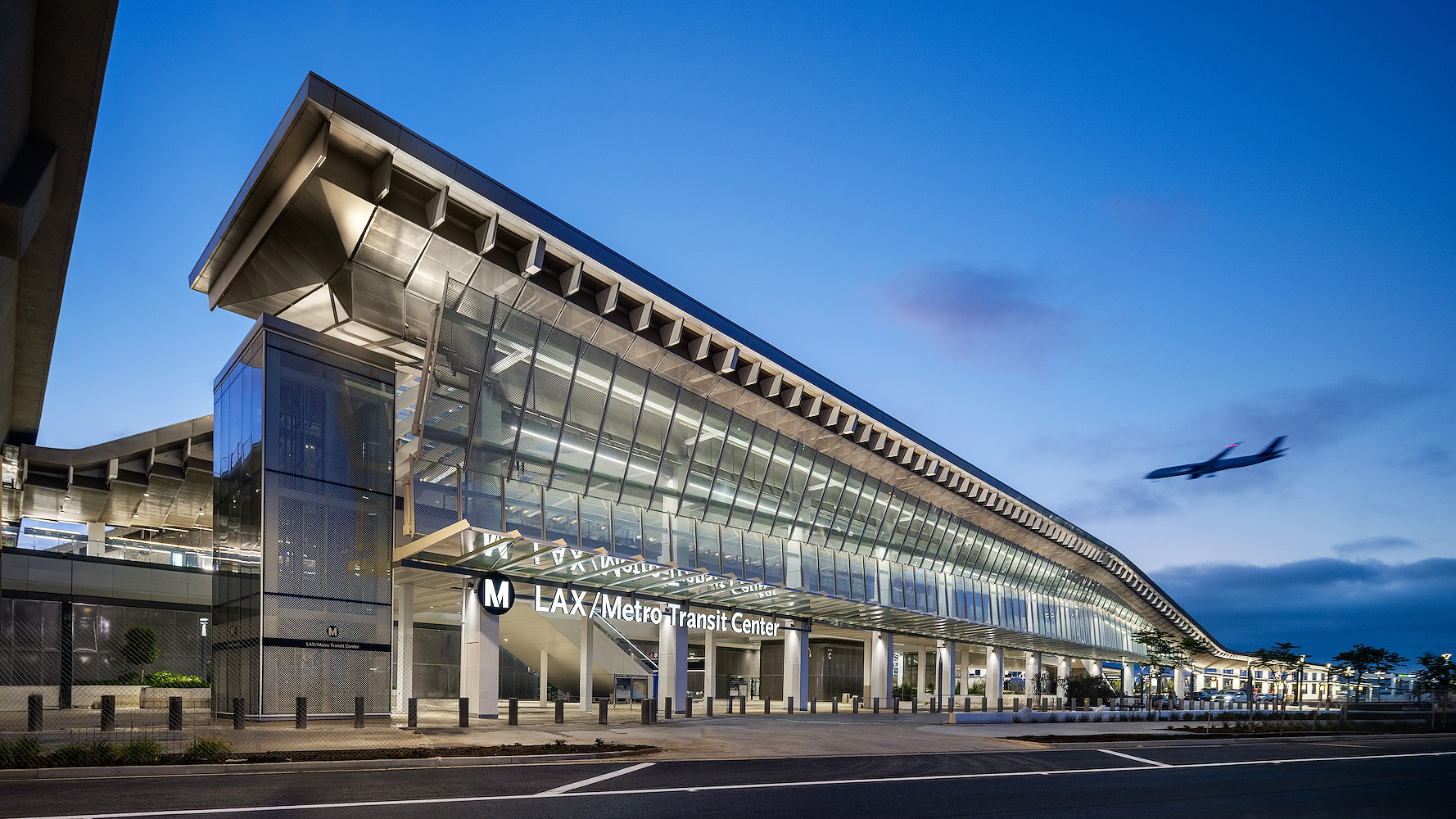
Photo courtesy ©️ Jason O'Rear
LAX/Metro Transit Center Los Angeles, USA
 |
Aaron Prinz is the host of the Design:ED Podcast and holds a Masters of Architecture degree from the University of Texas at Austin. He was born and raised in the rural Northern California town of Red Bluff, just two hours south of the Oregon border. After one year of college, Prinz relocated to San Francisco to pursue a career in stand-up comedy. At age 26, he began studying architecture at Portland State University while interning at Studio Petretti Architecture led by Amanda Petretti. His professional contributions while at Studio Petretti were focused on a portion of the new Multnomah County Courthouse which is a prominent addition to the Portland skyline. He currently resides in Austin, Texas with his wife Roxanne where he continues to work as a designer. |

Architectural Record is the #1 source for design news, architect continuing education, and info on sustainability, houses, projects, and architectural products.
Originally published in Architectural Record
Originally published in July 2026
LEARNING OBJECTIVES
- Explain how intuitive wayfinding, natural daylight, and clear circulation strategies improve safety, accessibility, and user confidence within transportation facilities.
- Identify design strategies that enhance the long-term durability, maintainability, and adaptability of public infrastructure projects.
- Evaluate how adaptive reuse of existing industrial buildings can preserve cultural heritage while supporting sustainable development and community revitalization.
- Discuss the role of stakeholder engagement and human-centered design in creating transportation environments that promote public health, safety, and overall user well-being.