Daylighting and Comfort with Dynamic Glazing
Improving Occupant Thermal and Visual Experience
Sponsored by Saint-Gobain SageGlass | Presented by Jordan Doria
Webinar On-Demand
Building occupants continue to push for more daylight and views from their buildings. Designers increasingly need to understand the basics of daylight in order to deliver. However, daylighting can come with trade-offs, such as risk of glare and thermal discomfort, which also needs to be managed to satisfy occupants. This presentation will provide a primer on daylighting along with guidance on how dynamic glazing can help deliver proper daylight while effectively managing the trade-offs.
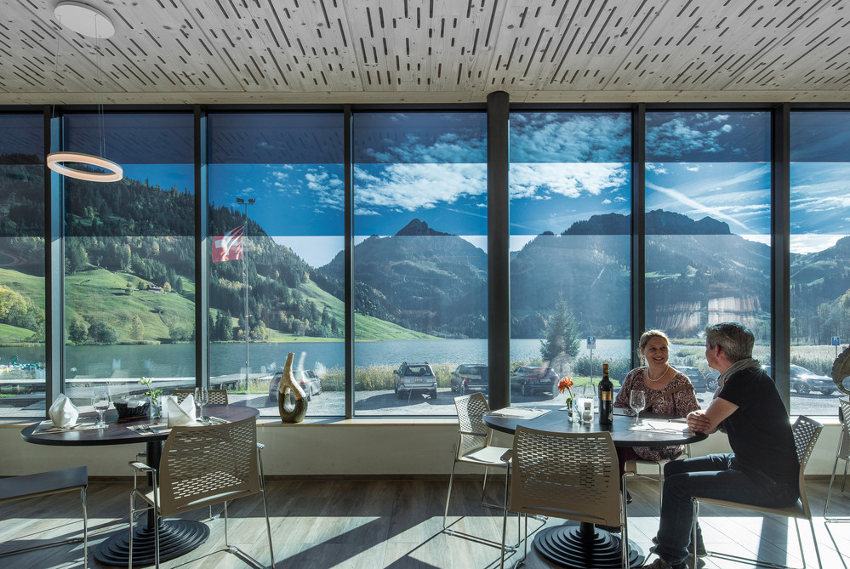
Photo: Adrien Barakat

|
Jordan Doria has spent his career focused on sustainability, energy, and the connection to human comfort in the built environment. He is well versed in the key principles of daylighting and the ways in which dynamic glazing impacts occupant comfort. |

|
The pioneer of the world’s smartest electrochromic glass, SageGlass® is the ultimate connector between the built and natural environments. SageGlass tints on demand to optimize daylight, reduce glare, and manage heat—all while maintaining unobstructed views of the outdoors. With SageGlass, architects and building owners can improve occupant comfort and reduce energy demand in buildings. As a wholly owned subsidiary of Saint-Gobain, SageGlass is backed by more than 350 years of building science expertise. www.sageglass.com |

Part of Saint-Gobain, SageGlass is the world leader in electronically tintable dynamic glass, which tints or clears automatically or on demand to control sunlight and prevent heat and glare without the need for blinds or shades.
Originally published in SDM
Originally published in June 2018
LEARNING OBJECTIVES
- Define the key principles of daylighting design.
- Explain how dynamic glass can effectively address the trade-off between creating sufficient daylight illumination, minimizing cooling loads, and achieving occupant visual comfort.
- Describe how effective zoning can provide optimum balance between glare control, daylight admission, light color quality, and energy performance.
- Understand the implications of manual glare-control devices and why an automatic response is necessary for delivering the expected daylighting and energy performance in a building.