Propane and the Evolving Energy Landscape
Power sources, storage solutions, and design strategies for efficient and resilient energy use
Sponsored by Propane Education and Research Council | Presented by Bert Warner
Webinar On-Demand
In today’s evolving energy landscape, architects, engineers, and developers must balance cost-effectiveness with the growing demand for sustainable and resilient building solutions. This webinar explores why propane is the premier choice for commercial applications, offering a versatile "off-pipe" solution that powers everything from high-capacity water heating and HVAC systems to premium outdoor amenities in addition to prime and backup power. By comparing various fuel sources and storage options, we will demonstrate how propane provides the unique flexibility and reliability needed to meet aggressive performance goals and sustainability standards. Attendees will gain the technical insights necessary to specify propane as a strategic asset, ensuring that individual commercial projects remain energy-independent and operationally efficient for years to come.
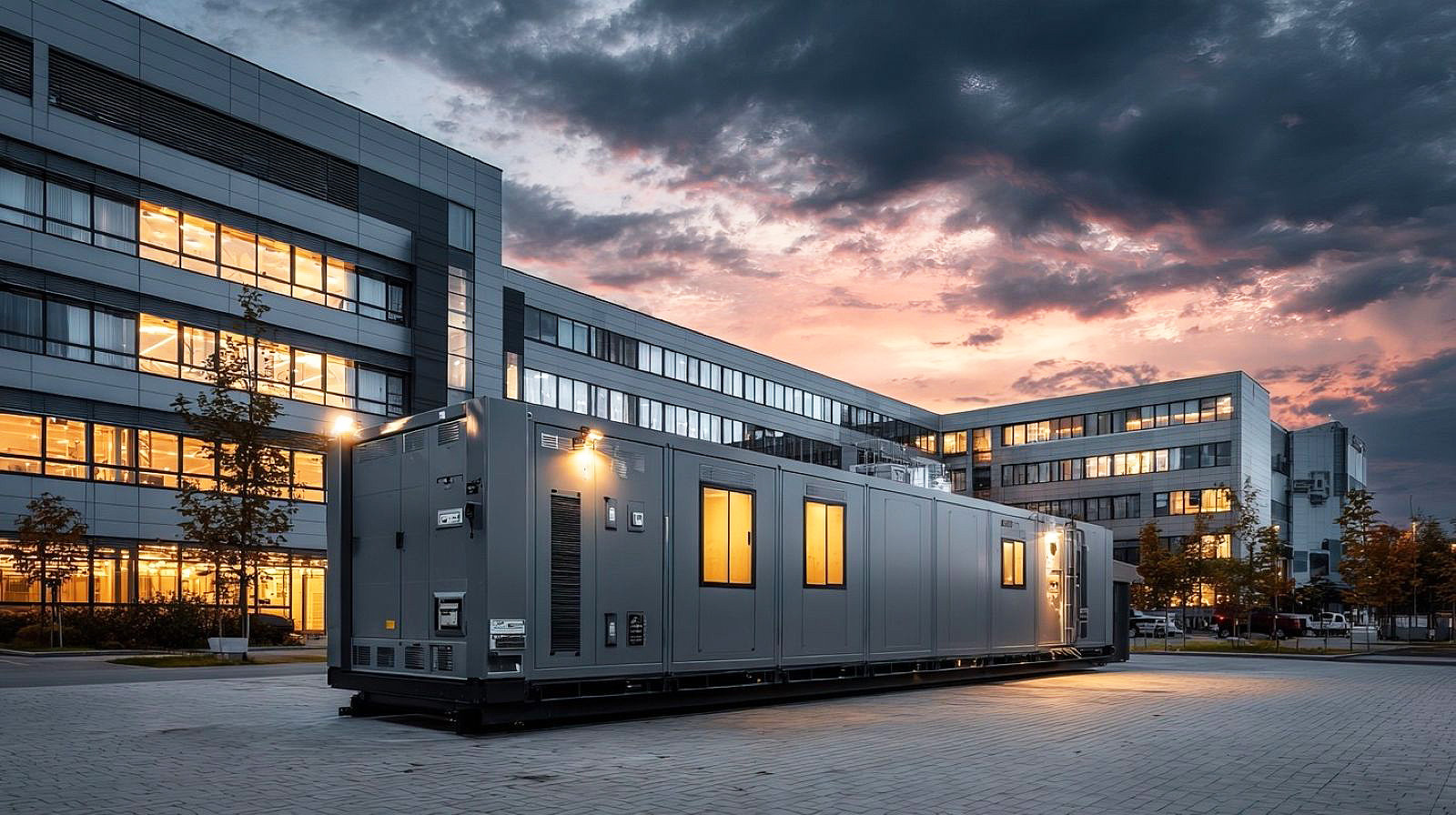
Photo ©️ WrongWay and courtesy of Adobe Stock
 |
Bert Warner is the Director of Commercial Business Development at the Propane Education & Research Council (PERC), Bert serves as the chief architect of the organization's commercial portfolio. He leads high-impact market strategies designed to drive propane awareness and increase gallon sales across diverse sectors. From high-efficiency HVAC and water heating to power generation and CHP systems, Bert ensures that key decision-makers—including architects, engineers, and developers—recognize propane as a premier energy solution. By overseeing the full lifecycle of product launches and market expansion, he bridges the gap between innovative propane technology and large-scale commercial implementation. |

The Propane Education & Research Council is a nonprofit that provides leading propane safety and training programs and invests in research and development of new propane-powered technologies. PERC is operated and funded by the propane industry. PERC programs benefit a variety of markets including transportation, agriculture, commercial landscaping, residential, and commercial building.
Originally published in Architectural Record
Originally published in March 2026
LEARNING OBJECTIVES
- Assess various fuel sources, including their advantages and disadvantages.
- Evaluate the power demands of a commercial building and the most efficient and sustainable options for meeting those demands.
- Review the basic principles of propane as a building fuel source.
- Apply propane system design strategies to address commercial building challenges in energy efficiency, resilience, and occupant comfort.