Designing Resilient Homes: The Role of Propane Hybrid Energy Systems
Strengthening residential HVAC systems through hybridization
Sponsored by Propane Education and Research Council | Presented by Bert Warner
Live Webinar Airing on November 5, 2026 at 02:00 PM ET
As residential design evolves to meet rising demands for energy efficiency, electrification, and resilience, architects must evaluate solutions that balance performance, reliability, and carbon reduction. This webinar explores hybrid energy systems that combine electric technologies such as heat pumps and solar PV with propane-powered heating, water heating, and backup power solutions.
Participants will examine the realities of grid reliability, source versus site energy considerations, and practical strategies for designing high-performance, net-zero-ready homes. Through real-world case studies, attendees will learn how hybrid systems can enhance occupant comfort, improve resiliency during outages, and support sustainable residential design objectives.
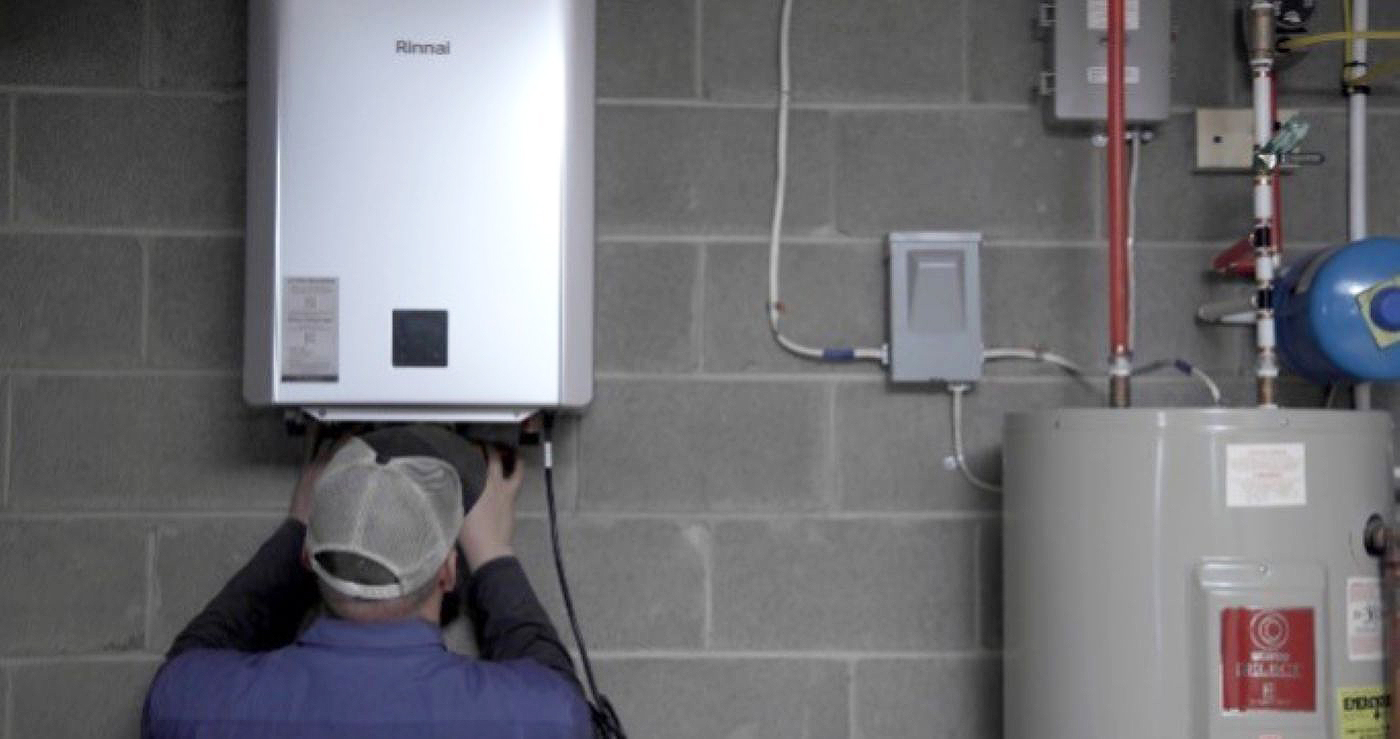
Photo courtesy of Propane Education & Research Council
 |
Bert Warner is a business development leader with more than 20 years of experience driving market growth, revenue generation, and strategic partnerships. As Director of Commercial & Residential Business Development at the Propane Education & Research Council (PERC), he leads initiatives that expand propane adoption and increase gallon sales across residential and commercial markets. His work focuses on advancing propane solutions in construction and building operations, including water heating, power generation, combined heat and power (CHP), HVAC, and other energy |
The Propane Education & Research Council is a nonprofit that provides leading propane safety and training programs and invests in research and development of new propane-powered technologies. PERC is operated and funded by the propane industry. PERC programs benefit a variety of markets including transportation, agriculture, commercial landscaping, residential, and commercial building.
Originally published in Architectural Record
Originally published in September 2026
LEARNING OBJECTIVES
- Evaluate current electrical grid challenges and their implications for residential building design.
- Compare site energy and source energy considerations when selecting residential energy systems.
- Identify opportunities to integrate hybrid heating, water heating, and backup power systems into high-performance homes.
- Explore practical design strategies that balance electrification goals with reliability, affordability, and resilience requirements.