Envelope Performance Requirements for Low-carbon Buildings under the ECCCNYS-2025
Navigating New York’s Updated Energy Code Through High-Performance Enclosure Design
Sponsored by NYSERDA | Presented by Dylan Martello, Senior Building Systems Consultant, Passive House Services - CPHD
Live Webinar Airing on November 3, 2026 at 02:00 PM ET
The 2025 Energy Conservation Construction Code of New York State (ECCCNYS-2025) raises expectations for building enclosure performance and reinforces the role of the envelope in reducing energy loads and supporting low-carbon building design. This course examines key enclosure requirements under the updated code and explores how high-performance envelope strategies can reduce heating and cooling demand while improving occupant comfort, durability, and overall building performance.
Participants will examine the relationship between enclosure design and building energy loads in schools, offices, and multifamily buildings, with particular attention to insulation continuity, thermal bridging, air leakage, and other common weak points in the building envelope. The course also considers how thoughtful design, detailing, construction, and quality assurance can help project teams meet code requirements while advancing broader low-carbon building goals.
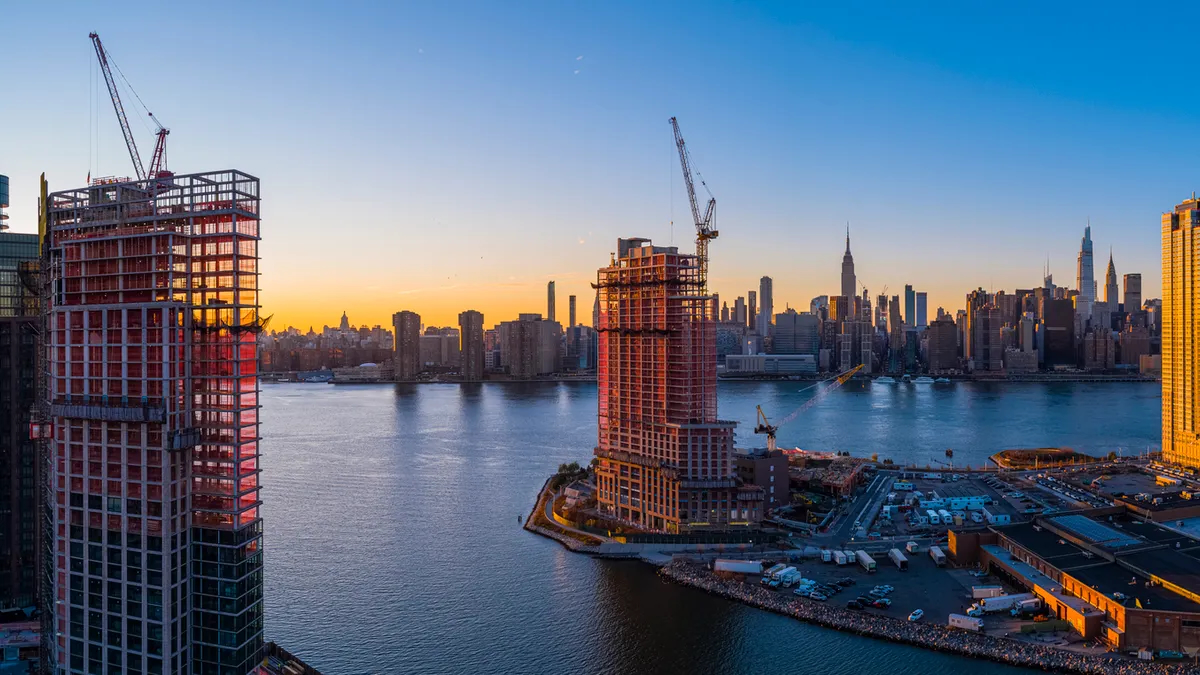
Photo courtesy of NYSERDA
 |
Dylan Martello, , is a Senior Building Systems Consultant and Certified Passive House Designer with Steven Winter Associates, Inc. specializing in Passive House and Net Zero projects. Dylan works with project architects and engineers to assist in the design of extremely energy efficient buildings. His direct project experience on large-scale Passive House certified or pre-certified projects comprises a wide range of use types such as high rise multifamily, core and shell offices, hotels, and industrial facilities. |

Originally published in Architectural Record
Originally published in September 2026
LEARNING OBJECTIVES
- Identify key ECCCNYS-2025 requirements affecting building enclosure performance in low-carbon buildings.
- Explain how enclosure performance influences heating and cooling loads in schools, offices, and multifamily buildings.
- Evaluate the effects of insulation continuity, thermal bridging, and air leakage on overall building energy performance and occupant comfort.
- Describe high-performance enclosure strategies that reduce energy demand and support low-carbon building design.
- Discuss how enclosure design and construction quality assurance and quality control contribute to code compliance, durability, and long-term building performance.