Adaptive Reuse and Architecture Schools
How adaptive reuse is reshaping architectural education and practice
Sponsored by ARCAT, Think Wood, and Vitro Architectural Glass | Presented by Matt Burgermaster, Michael Ezban, RA, ASLA and Kathryn Rogers Merlino
Live Webinar Airing on October 21, 2026 at 02:00 PM ET

American architecture schools are increasingly incorporating adaptation of existing buildings into studio courses and their curricula in general. Does this trend represent a cultural shift? Does it mirror the profession and a demand for a particular kind of training from potential employers? Or is it a reflection of the interests and values of a new generation of students? Join Record and panelists representing academia and practice on October 21 for a webinar which will probe these questions and more.

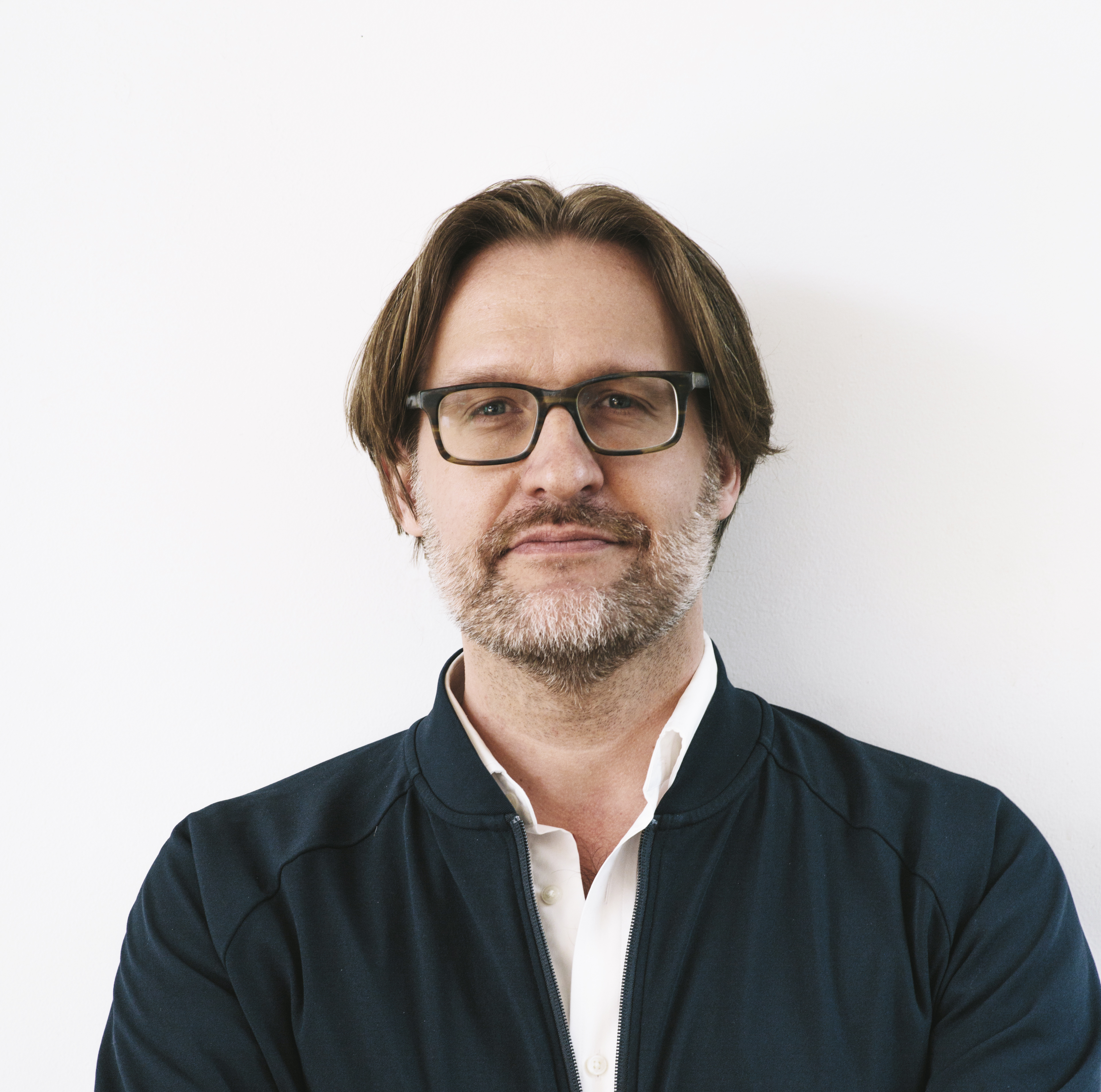 |
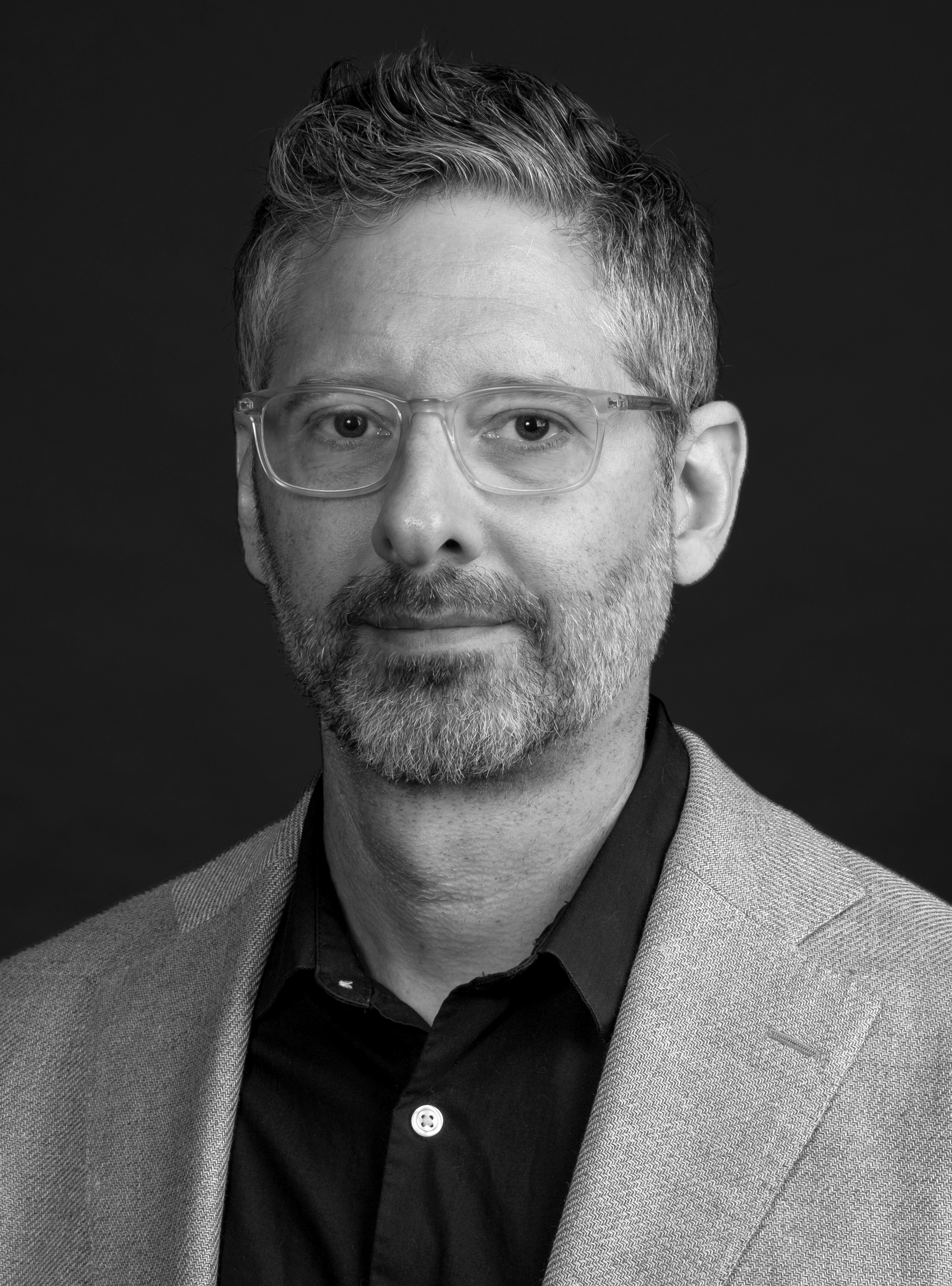
Matt Burgermaster teaches architecture at Rensselaer School of Architecture and Parsons School of Design, and is design principal of MABU. He is a Fellow of the MacDowell Artist Residency and a winner of the New Practices New York Award, a preeminent biennial platform for recognizing the body of work of emerging and innovative architectural practices in New York City. Matt’s work seeks novel forms of creative resourcefulness and critical practice that flip the constraints of limited resources into design opportunities and offer timely approaches to building with and for change. In reimagining the traditional design playbook of adaptive reuse, this approach trades in the binary conceptual framework of ‘old’ and ‘new’ for an expanded repertoire of circular design techniques and construction practices. His adaptive reuse projects have been recognized with numerous design awards from leading professional and academic organizations, including the American Institute of Architects (AIA) and American Collegiate Schools of Architecture (ACSA). Recent awards include a 2026 ACSA Faculty Design Award and 2026 Architizer A+Award for the project Twenty Ways Home. Matt’s writings on adaptive reuse have been featured in the book Architectural Strategies in Contemporary Art: A Strange Utility and online journal Urban Omnibus, among others. |
 |
Michael Ezban, RA, ASLA is an architect, landscape designer, author, and educator. His scholarship and teaching explore the design of buildings, landscapes, and cities that support mutualistic entanglements between human and nonhuman beings. Ezban’s work on this topic has been published internationally in journals and books; his first book on multispecies design, "Aquaculture Landscapes: Fish Farms and the Public Realm" (Routledge, 2020), was awarded the John Brinckerhoff Jackson Book Prize from the Foundation for Landscape Studies. Ezban is currently Assistant Professor of Architecture at the Washington-Alexandria Architecture Center at Virginia Tech, where he also serves as Coordinator of the Master of Science in Architecture, Urban Design Concentration program. |
 |
Kathryn Rogers Merlino is an Associate Professor of Architecture in the College of Built Environments at the University of Washington in Seattle, where she has taught for over 25 years. As the Director of the Center for Preservation and Adaptive Reuse, her research and teaching examines how historic preservation and adaptive reuse shape sustainability, environmental justice, and social equity. Her book, Building Reuse: Sustainability, Preservation, and the Value of Design (UW Press, 2018), argues that reusing buildings is a critical component of sustainability and that everyday buildings, historic and "non-historic" alike, should be valued as repositories of embodied. Her work calls for repositioning adaptive reuse in architectural education within an ecological framework, so future designers understand existing systems and how to transform them through a critical design process. Merlino has published in journals, book chapters, and peer-reviewed conference proceedings, and has presented widely at academic and professional conferences, universities, and for state and municipal agencies. She consults on research and design for firms in the Seattle region as a historian and preservation consultant. She serves on the board of the Historic ASUW Shell House and has served on the boards of the Vernacular Architecture Forum, the King County Landmarks Commission, and the Washington State Advisory Council on Unreinforced Masonry Buildings. |
Sponsors
 |
 |
 |
Supporting Partners
 |
 |
 |
 |
 |
 |
Originally published in Architectural Record
Originally published in September 2026
LEARNING OBJECTIVES
- Discuss the growing focus on adaptive reuse at architecture schools and the factors driving this phenomenon.
- Describe how attitudes toward the incorporation of adaptive reuse into architecture schools’ curricula have evolved over the past several decades.
- Explain the effect of the accelerating climate crisis on architecture schools’ design studios and curricula in general.
- Discuss how practice is influencing architecture schools’ pedagogy and vice versa.