A Fine Line: Drawing Methods for Students and Emerging Professionals
Exploring the evolving role of drawing in architectural practice and education
Sponsored by ARCAT, Think Wood, and Vitro Architectural Glass | Presented by Manuel Cordero, Galen Pardee, Andrew Holder and Iman Fayyad
Live Webinar Airing on September 22, 2026 at 02:00 PM ET

Drawings have long been used to communicate instructions for building and, while on the construction site, an architect’s job is to ensure fidelity to those documents. There are many other kinds of representation: for example, sketches help designers iterate, renderings sell clients and the public on ideas, diagrams attempt to explain, and measured drawings record important history. There are just as many techniques for producing them too. Digital modeling, a panoply of software, and increasingly AI have all added to the architect’s toolkit.
Join Architectural Record managing editor Leopoldo Villardi for a students and emerging professionals webinar with Andrew Holder (principal of LADG and chair of graduate programs at the Pratt Institute School of Architecture), Manuel Cordero and Galen Pardee (principals of COPA), and Iman Fayyad (designer and Assistant Professor of Architecture at the Harvard University Graduate School of Design) for a discussion all about drawing.

Photo courtesy of Getty Images
 |
Manuel Cordero is principal at COPA and a native of Queens, New York. He began developing his construction expertise as an architect working on complex projects ranging from interior renovations for major corporate headquarters to luxury residential designs throughout the United States. Manuel has worked for Conant Architects, Leroy Street Studio, Kohn Pedersen Fox, WeWork, Artifact Development and Brandon Haw Architecture. He holds a Master of Architecture from Columbia University GSAPP and received a Bachelor of Arts from Columbia University. |
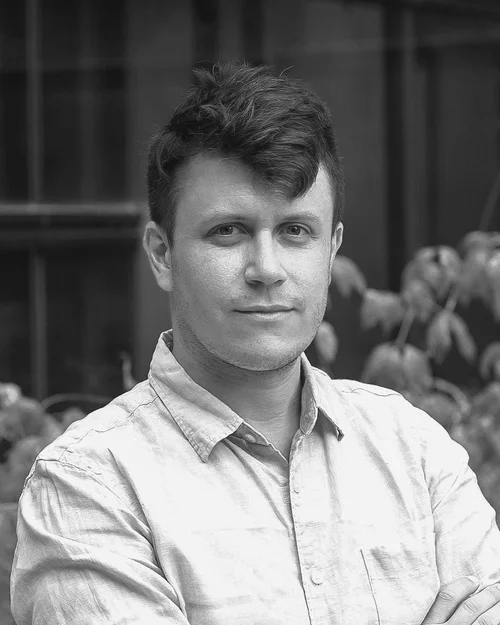 |
Galen Pardee is principal at COPA. Galen teaches at Columbia University Graduate School of Architecture, Planning, and Preservation, as well as Sarah Lawrence College where he is the Andrew Mellon Chair for Sustainable Design and Environmental Architecture. Previously, he was the 2019–21 LeFevre Emerging Practitioner Fellow at The Ohio State University’s Knowlton School of Architecture, and has taught architecture and landscape architecture studios at Barnard University and the University of Tennessee. Galen holds a Master of Architecture from Columbia University GSAPP, where he received the Alpha Rho Chi Medal, and a BA in Politics cum laude from Brandeis University. |
 |
Andrew Holder is Chair of Graduate Architecture, Landscape, and Urban Design at Pratt Institute School of Architecture. He is a principal and co of the Los Angeles Design Group (LADG). He has held appointments at the University of Michigan, UCLA, Sci-Arc, the University of Pennsylvania, the University of Queensland, and the Harvard Graduate School of Design, where he served as Program Director for the March I degree track. Andrew is the coauthor, along with K. Michael Hays, of the book Inscriptions: Architecture Before Speech, and his writing has appeared in numerous journals, magazines, and edited volumes. Andrew’s design work at the LADG includes a series of houses in Los Angeles, a rural retreat in Maine, and a recent exhibition for the Los Angeles County Museum of Art. The firm is the recipient of the League Prize from the Architectural League of New York, two Progressive Architecture awards, multiple citations from the Los Angeles chapter of the AIA, and was nominated in 2024 for the Mies Crown Hall Americas Prize. |
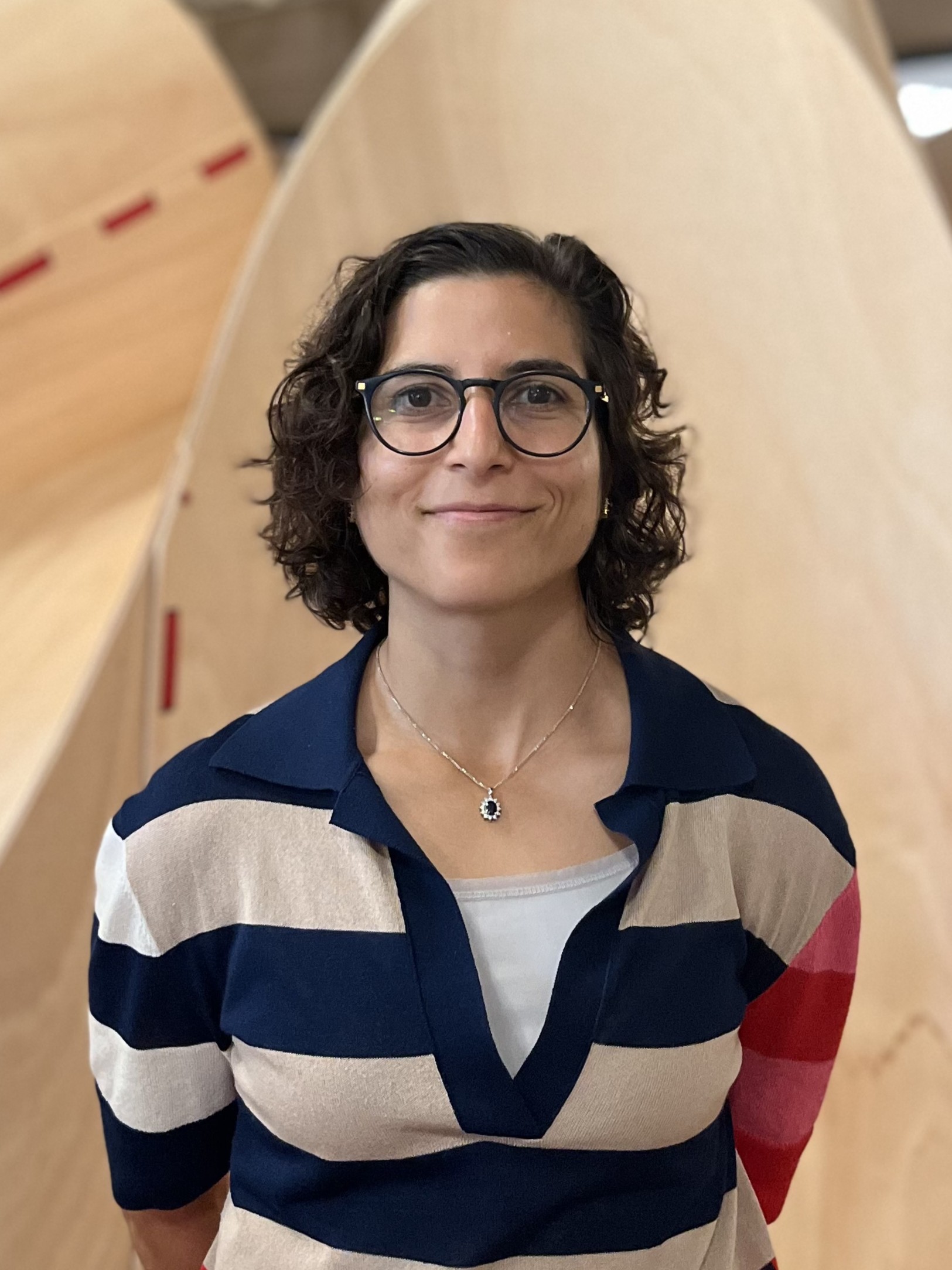 |
Iman Fayyad is a designer and Assistant Professor of Architecture at the Harvard University Graduate School of Design. She is founding director of projectif, an award-winning research practice that explores architectural geometry’s relationship with material economy, sensory perception, and the politics of physical space and building practice. Her writing and design work have been published and exhibited in venues including Technology: Architecture and Design, Nexus Network Journal (Architecture and Mathematics), Avery Review, JSAH, Log, the New York Times, The Chicago Architecture Biennial, the Chicago Tribune, Dezeen, Yale Architecture Gallery, Carnegie Museum of Art, and the Roca Gallery in London. Her public work and research on zero-waste geometric construction techniques has been funded by grants through the MetLife Foundation and Lender Center for Social Justice, and has received recognition by the Architects' Newspaper Best of Design Young Architects Prize, the ACSA Faculty Design Award, and Architizer's Design For Good Award. She is a 2024 MacDowell Fellow and the recipient of the 2026 Tsao Family Affiliated Fellowship at the American Academy of Rome. Fayyad has served on the faculty at Syracuse, MIT, and Princeton. She has been twice named the Architecture Faculty of the Year at Harvard University. Fayyad holds a Bachelor of Science in Architecture from MIT, and a Master in Architecture with Distinction from the Harvard Graduate School of Design. |
Sponsors
 |
 |
 |
Supporting Partners
 |
 |
 |
 |
 |
 |
Originally published in Architectural Record
Originally published in August 2026
LEARNING OBJECTIVES
- Discuss novel techniques to drawing and their production, either using analogue methods (ink on mylar, collage, watercolor, etc.), digital tools (software, 3D modeling, etc.), or by mixing both.
- Outline the unique approaches that the presenting offices take when developing, representing, and documenting projects.
- Describe how students and emerging professionals can sharpen their drawing skills.
- Discuss how drawings communicate in different media, from physical galleries to digital platforms.