From Outdated to Outstanding: Innovative Fire/Security Hardware Configurations
Meet Codes while Preserving Aesthetics and Functionality
Sponsored by McGrory Glass Systems | Presented by Zach Passman
Live Webinar Airing on November 4, 2026 at 02:00 PM ET

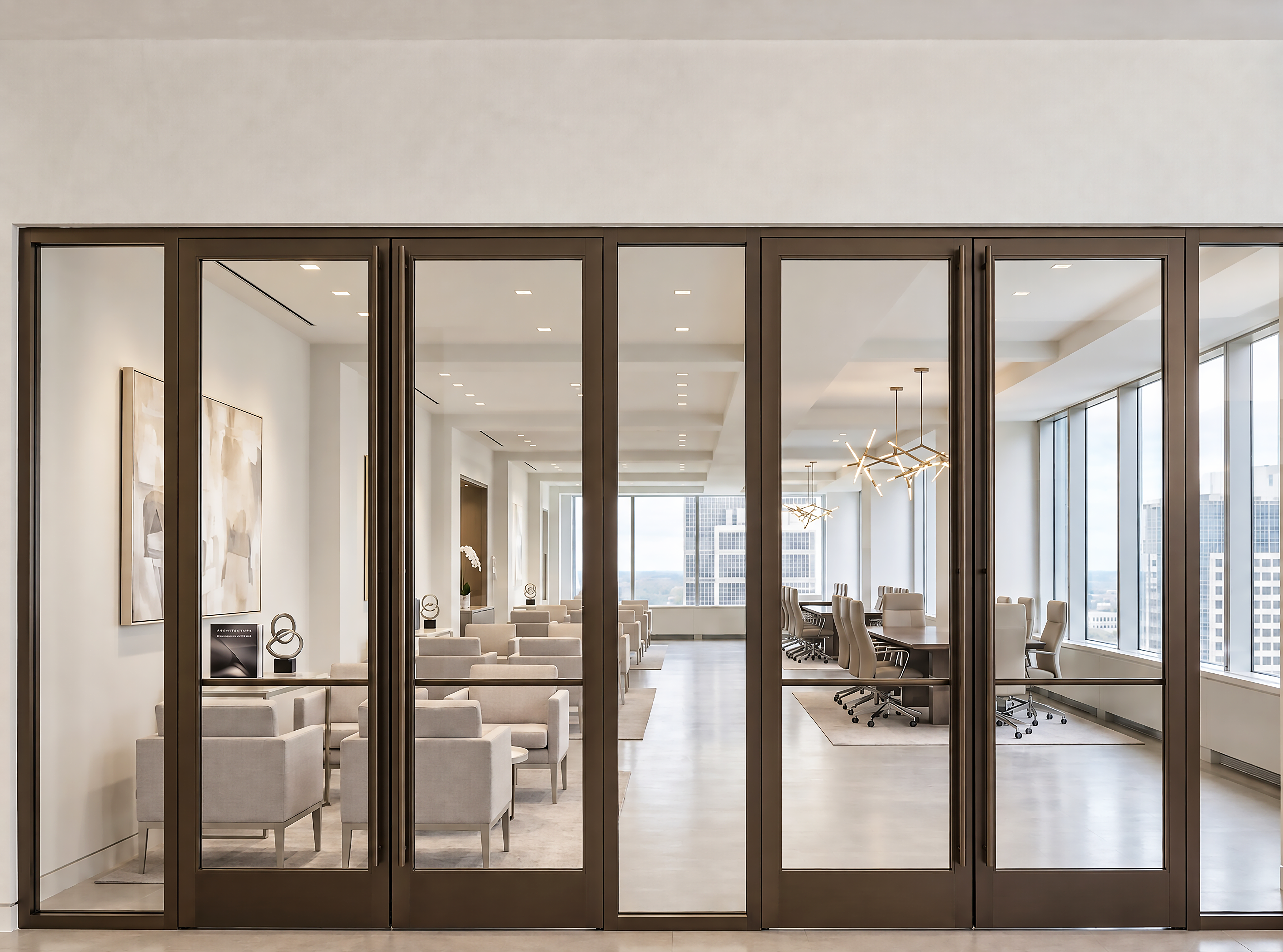
This course examines how modern fire-rated, smoke-rated, and security entrance systems benefit from integrating hardware directly into narrow-profile steel framing. Participants will review common limitations in legacy systems, such as oversized sightlines, incompatible hardware, and mixed-material assemblies—and consider how these constraints influence design and specification decisions.
The program then explores how advanced hardware configurations, including engineered exit devices, mortise locks, closers, and hinges, can be incorporated within slim steel profiles to create functional, design-forward entrances that support accessibility and life-safety requirements. Through this discussion, attendees will learn how selecting and coordinating the right hardware and framing systems leads to improved performance, clearer documentation, and more cohesive project outcomes. Case studies further illustrate how integrated system design can solve specification challenges and provide architects with greater design flexibility across a range of building types.

©️ 2026 McGrory Glass Systems | All Rights Reserved
 |
Zach Passman is a Senior Architectural Consultant for McGrory Glass Systems, Zach Passman supports architects and designers by leveraging decades of specialized expertise in fire-rated, security, and bullet resistant glazing systems. |
Family-owned for over 40 years, McGrory Glass delivers the industry's most innovative integrated glazing systems—fire- and smoke-rated assemblies; security/forced-entry and bullet-resistant protection; decorative, privacy, and one-way-vision; wall, ceiling, and seismic large-format-glass mounting; and radiation shielding.
Originally published in Architectural Record
Originally published in October 2026
LEARNING OBJECTIVES
- Identify limitations of legacy fire-rated and security entrance systems, such as oversized sight lines, incompatible hardware, and mixed-material assemblies—and explain how these issues affect life-safety performance and code compliance.
- Explain how integrating hardware into narrow-profile steel framing systems enhances occupant safety, accessibility, and functional performance, including the use of concealed closers, PDUs (tubular exit devices), and other life-safety hardware.
- Evaluate the functional and operational requirements of door openings by applying a structured door function statement that considers egress, security direction, door swing, and electronic access control needs.
- Analyze case studies to understand how coordinated glazing, framing, and hardware solutions resolve specification challenges and support safe, code-compliant, and aesthetically consistent building designs.