Performance Considerations for Windows and Doors
Navigating the path to high-performance when specifying windows and doors for custom residential
Sponsored by Marvin
This presentation introduces design professionals to the full scope of performance considerations that influence how windows and doors function in custom residential buildings. While aesthetic decisions such as sightlines, hardware, and finishes remain important, long-term performance depends on understanding how these systems respond to environmental conditions, glazing choices, acoustic demands, structural strategies, and installation methods.
Learners will explore climate-driven challenges, glazing performance, sound control principles, and the implications of factory-mulled versus field-mulled assemblies. By broadening the conversation beyond appearance, this course helps architects specify window and door solutions that improve building durability, occupant comfort, and overall resilience.
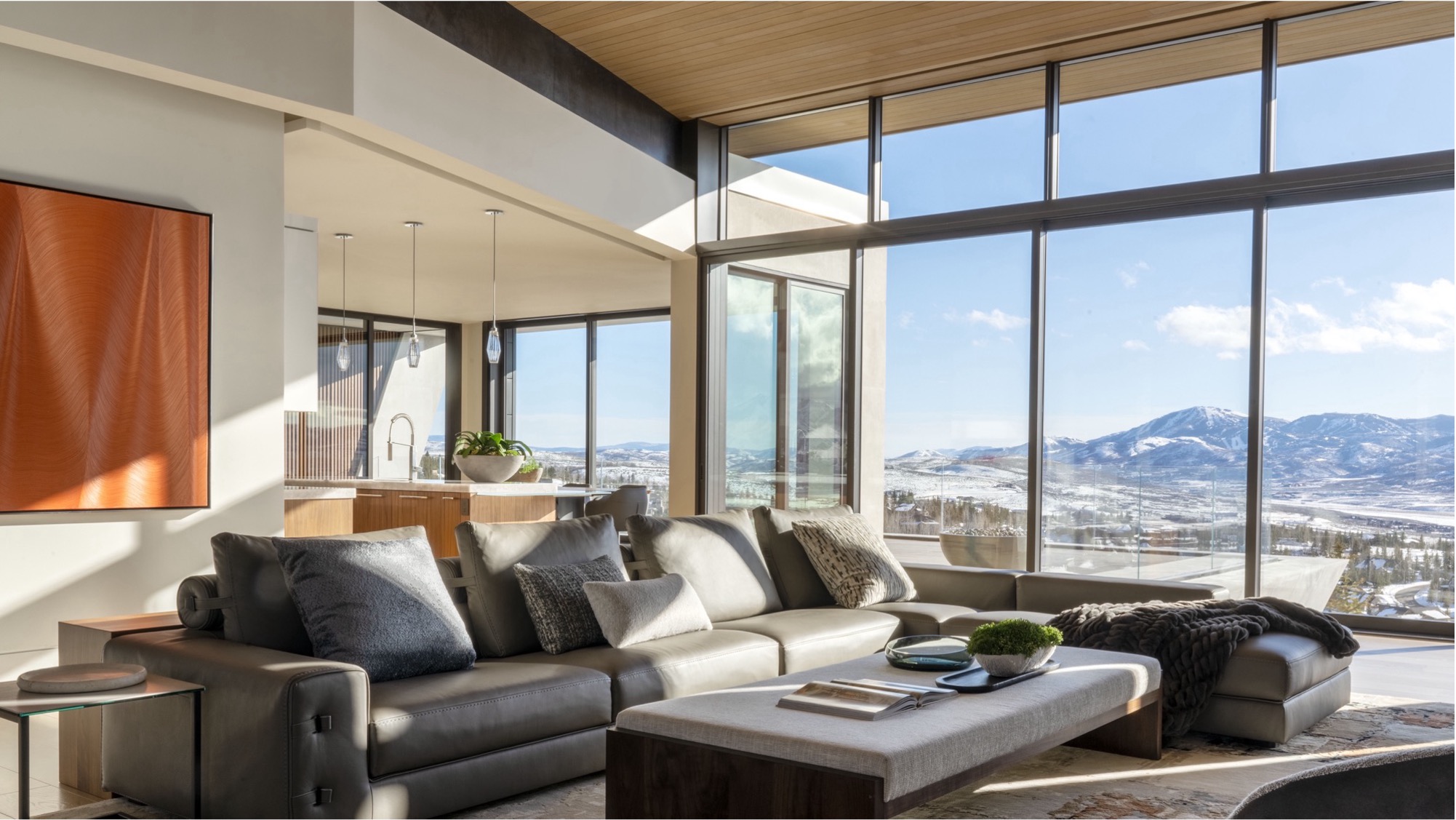
Photo courtesy of Marvin

Marvin is a fourth- and fifth-generation family-owned and -led business headquartered in Warroad, Minnesota, with almost 9,000 employees across 16 cities in North America. The Marvin portfolio of products for architects, builders and homeowners is designed to provide exceptional solutions for any project with a focus on creating better ways of living. Visit marvin.com/architect to learn more.
LEARNING OBJECTIVES
- Identify key environmental and climate-related factors that influence window and door performance.
- Evaluate glazing options, sound control strategies, and structural considerations to improve building performance
- Distinguish between factory-mulled and field-mulled assemblies and compare how these methods affect installation quality and long-term durability.
- Apply performance-based decision-making when specifying custom windows and doors to support occupant comfort, energy efficiency, and building resilience