Consider the Whole Cost
Appreciating the impact windows and doors can have on comfort, energy use, and durability in residential homes
Sponsored by Marvin | Andrew Hunt
Window and door frames shape far more than sight lines and operation. Frame material choices influence structural performance, thermal behavior, condensation risk, durability, maintenance cycles, resilience, safety, and long-term homeowner satisfaction. Often fenestration options are evaluated simply on base price and warrantee, however by considering the whole cost, from installation through a long-life of service, occupants can benefit from a more thoughtful specification process.
This presentation compares common residential frame materials, including vinyl, fiberglass, aluminum, steel, wood, and wood-clad systems, and connects material properties to design goals and real-world performance. Participants will learn how to evaluate tradeoffs, coordinate details with the building enclosure, and write clear specifications that support energy efficiency, durability, security, and occupant comfort in custom single-family homes.
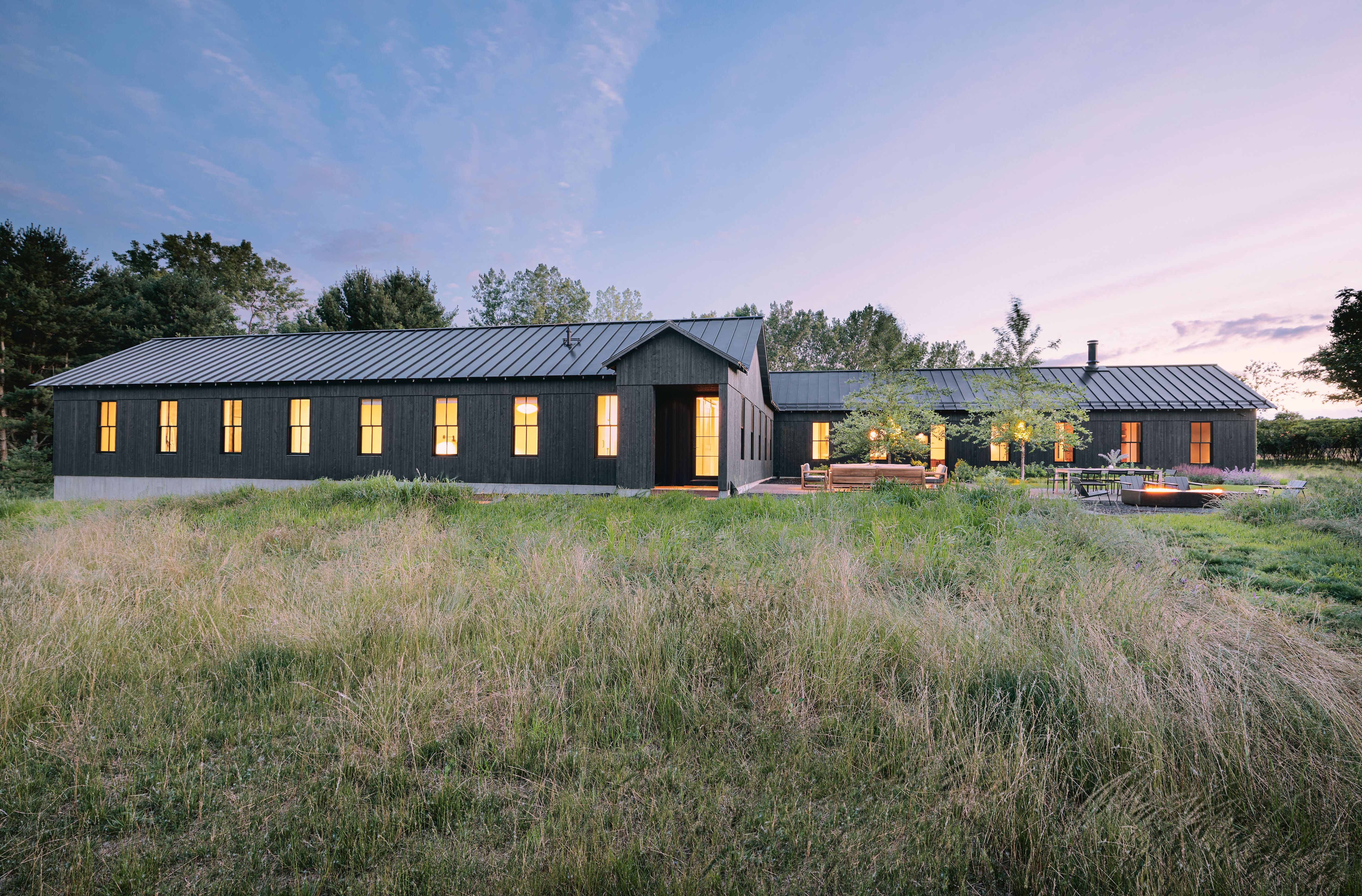
Photo courtesy of Marvin Windows

Marvin is a fourth- and fifth-generation family-owned and -led business headquartered in Warroad, Minnesota, with almost 9,000 employees across 16 cities in North America. The Marvin portfolio of products for architects, builders and homeowners is designed to provide exceptional solutions for any project with a focus on creating better ways of living. Visit marvin.com/architect to learn more.
Originally published in Architectural Record
Originally published in June 2026
LEARNING OBJECTIVES
- Identify key characteristics of common window and door frame materials and how those characteristics affect overall performance in residential applications.
- Evaluate design opportunities and constraints across frame material options, considering aesthetics and energy performance goals.
- Assess how fenestration elements and related systems contribute to resilient design, safety, and security in residential and low-rise buildings.
- Compare window and door frame systems for conventional and high-performance projects, selecting appropriate solutions for specific climates, exposures, and use cases.