Trigger Warning: This article addresses behavioral health design considerations that include discussion of suicide prevention, ligature resistance, and self-harm risk mitigation. Readers should be aware that while the intent is professional and educational, some of the content may be distressing.
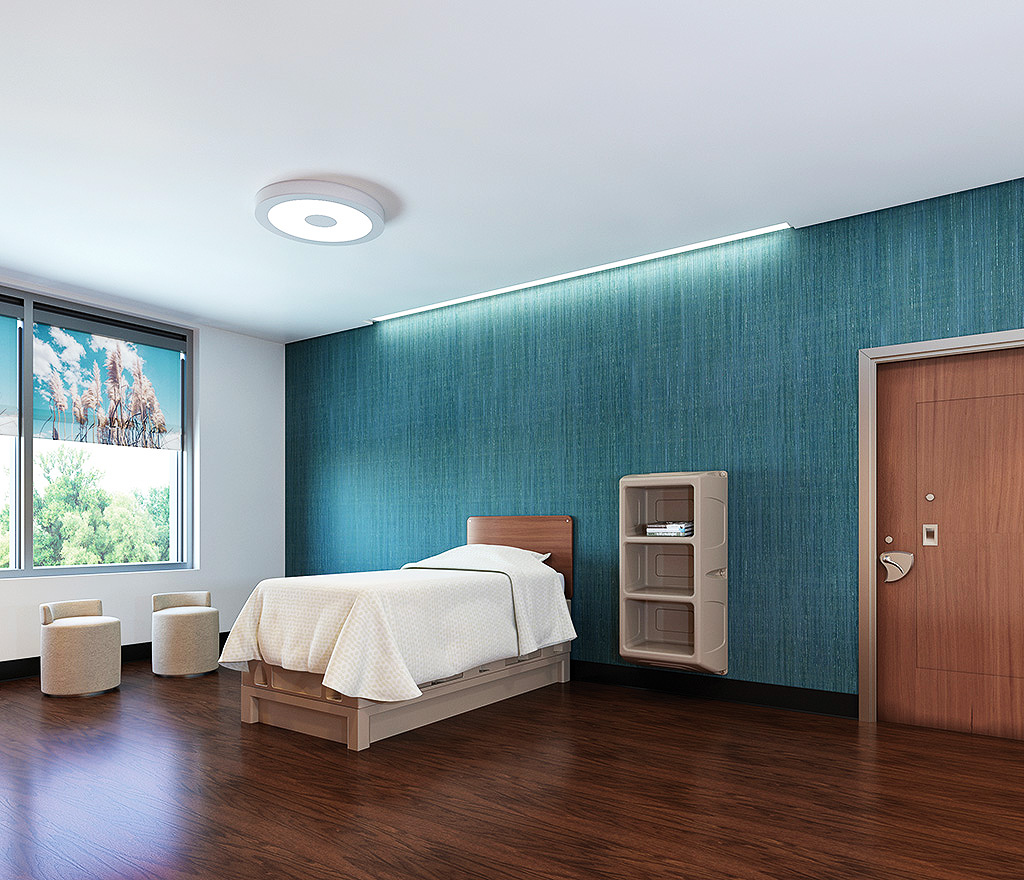
Photo courtesy of Inpro
Behavioral health environments can offer a safe refuge for patients and a chance to rest and recover. However, careful design elements must be considered to help reduce the chance of patient self-harm.
This article will explore design choices architects and designers can make to improve the health, safety, and emotional well-being of patients and staff in behavioral health facilities. Unlike traditional healthcare settings, facilities specializing in mental health support and recovery have unique requirements to ensure occupant safety. Protecting patients from potential self-harm, maintaining hygienic and easy-to-clean spaces, and creating environments that support therapeutic outcomes are all critical priorities for the architect.
By first understanding the unique nature of behavioral health environments, this article will provide information on potential risks to patients and how to design standards that help mitigate these potential risks. Guidance will reference the Facility Guidelines Institute (FGI) Guidelines for Design and Construction of Residential Health, Care, and Support Facilities, which outline design suggestions for behavioral health environments, along with recommendations from the New York State Office of Mental Health (NYS-OMH) Patient Safety Standards, Materials and Systems Guidelines, a widely recognized resource in the field. The article will examine how choosing durable products can provide hygienic surfaces that support health care facility goals. Finally, the article will discuss the emotional benefits of including biophilic design in behavioral health settings to encourage recovery and foster improved environments for patients, staff, and visitors.
Protect the Patient
Traditional health care facilities are designed around the delivery of medical treatment, with emphasis on infection control, accessibility, and patient comfort. The risks that shape design in these spaces, such as the spread of pathogens, safe circulation of patients and staff, or access to life-saving equipment, are well understood and addressed through long-standing codes and standards. Architects approach these projects with a familiar toolkit of strategies intended to support efficient care while safeguarding the health of patients, visitors, and staff.
Behavioral health environments, while sharing many of these requirements, must also confront a different and more complex set of risks. Patients in these facilities often face acute to severe mental health challenges, including conditions that may lead to self-harm or suicide. As a result, elements such as window shades or a shower fixture that might seem benign in a traditional hospital can become a potential hazard in a behavioral health unit. These spaces demand not only compliance with general health care design standards but also specialized strategies that anticipate and reduce risks unique to mental health treatment.
The distinction between the two types of facilities underscores the importance of intentional, detail-oriented design in behavioral health. Architects and designers must go beyond clinical efficiency and patient comfort to actively prevent harm that could result from the misuse of the built environment.
The most pressing of these concerns is ligature risk. Ligature in behavioral health design refers to any point, feature, or object in the built environment that a patient could use to attach or loop a cord, rope, clothing, or similar material in an attempt at self-strangulation. Eliminating ligature risk is not a matter of adding a single product or treatment; it requires a comprehensive design strategy that addresses the entire environment, from hardware and plumbing to ceilings, furniture, and spatial layout. By prioritizing ligature-resistant solutions, architects and designers help ensure that vulnerable patients can focus on healing in spaces that are both secure and therapeutic.
Understanding Ligature Risk
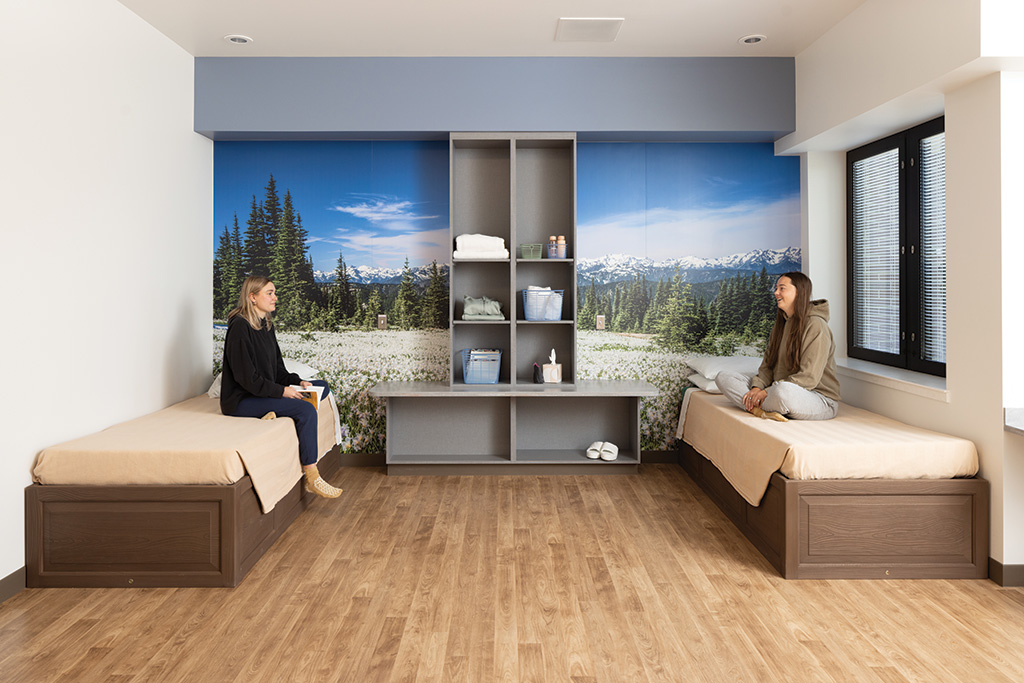
Photo courtesy of Inpro
One of the key strategies to mitigate the risk of self-harm in behavioral health facilities is to specify ligature-resistant fixtures throughout the patient-occupied space.
Ligature risk is a central concept in behavioral health design. Even seemingly small or overlooked details, such as the gap behind a door, the curve of a plumbing fixture, or the juncture between a wall and ceiling, can become potential hazards. To proactively protect the patient, the challenge lies in predicting how an environment might be used in ways not originally intended and then choosing to make careful product and detailing choices that mitigate those risks.
National guidelines highlight the importance of reducing ligature risk. The Facility Guidelines Institute (FGI) provides recommendations for behavioral health facilities, while other important guidelines, such as those published by the New York State Office of Mental Health (NYS-OMH), set clear performance criteria for ligature-resistant products. These resources emphasize not only the need to remove potential anchor points but also the importance of balancing safety with the therapeutic intent of care environments.
Certain elements within behavioral health facilities consistently present the highest potential for ligature risk.
Elements that require special attention include:
- Door Hardware: Traditional knobs, levers, and hinges can create anchor points for cords or clothing. Ligature-resistant alternatives feature sloped or rounded surfaces, tamper-resistant fasteners, and limited opportunities for attachment.
- Plumbing Fixtures: Faucets, sinks, and all components of shower systems must be carefully designed to eliminate protrusions or edges. This includes grab bars, valves, and spray heads. These elements should be ligature-resistant and tamper-proof, with recessed or sloped geometries that eliminate hanging potential. Special attention should be given to ligature-resistant shower drains and tamper-resistant trench drain covers, as these are areas often overlooked. Other features include thermostatic control and anti-scald features that enhance both safety and comfort, while integrated hand showers must be secured or retractable to avoid misuse. Many manufacturers now offer ligature-resistant fixtures tested specifically for behavioral health environments.
- Ceilings and Grilles: Overhead elements may create opportunities for suspension if gaps or openings are accessible. Secure ceiling systems and ligature-resistant air grilles are critical to addressing these vulnerabilities.
- Furniture: Movable furniture presents risks if it can be repositioned to create an anchor point or if it is not sufficiently weighted. Built-in or weighted furniture solutions help reduce this concern while still providing comfort.
- Window Treatments: Ligature-resistant window treatments should eliminate cords, chains, or any looping mechanisms. Fixed or tamper-resistant track systems and integrated daylight controls provide safe alternatives. Shatterproof glazing and anti-ligature curtain track systems can maintain privacy and daylight while minimizing risk.
- Door and Wall Protection: Wall protection systems should use adhesives and seamless installations to avoid trim edges or cap profiles that could be used as anchor points. Heavy emphasis should be placed on smooth, continuous surfaces with integral corner guards and flush transitions between materials to prevent tampering or concealment opportunities.
- Privacy Curtains: Curtains in patient areas and showers should use breathable fabrics and pop-out carrier systems that release under strain. Shower curtains should also be weighted and tear-away to prevent ligature use while maintaining dignity and privacy for the patient. Per the NYS OMH, facilities shall perform a risk assessment to determine their options for shower and privacy curtains.
- Miscellaneous Anchors: Light fixtures, wall-mounted accessories, and even casework can unintentionally provide attachment points. These items must be carefully detailed, selected, or avoided entirely in high-acuity areas.
By addressing these areas methodically, architects and designers help ensure that no single feature of the space can be used in a way that undermines patient safety.
Strategies for Mitigating Risk
Effective design for behavioral health environments requires a coordinated approach that combines material choices with spatial planning. One essential strategy is the use of products that have been specifically tested and rated as ligature-resistant according to recognized standards. Many manufacturers now collaborate with clinical advisors and behavioral health specialists to create hardware, plumbing fixtures, and furniture that anticipate patient interaction and address safety from the outset.
Another critical consideration is the way transitions are detailed within a space. Junctions between walls, ceilings, and floors should be carefully minimized to eliminate gaps or protrusions that could serve as attachment points.
Supervision also plays a central role in mitigating risk. Although privacy is an important therapeutic element, behavioral health facilities must still provide staff with clear sightlines and opportunities for unobtrusive observation. The use of windows, angled walls, and carefully placed openings can enhance supervision while avoiding an overtly institutional character.
Finally, incorporating the input of care staff during design is critical for both patients and staff. Clinicians and support teams often have first-hand knowledge of how patients interact with their surroundings, and their insight can reveal potential risks that may not be apparent from drawings or product catalogs alone. By integrating this feedback into design decisions, architects can ensure their strategies are grounded in the realities of patient behavior and staff experience. Supporting this process, architects can utilize the Environmental Safety Risk Assessment, or ESRA (see sidebar).
Balancing Safety and Therapy
A significant challenge in behavioral health design is balancing safety requirements with the goal of creating environments that feel restorative rather than institutional. Overly austere or prison-like spaces can increase patient anxiety, reduce trust, and work against the therapeutic process. This atmosphere can also take an emotional toll on caregivers and negatively impact visitors responsible for making care choices for patients.
Patients benefit when spaces are designed to be both safe and welcoming, using natural light, warm finishes, and comfortable furnishings that still meet ligature-resistant standards. These choices communicate dignity and respect for patients while preserving safety.
Architects and designers play a significant role in protecting patients by anticipating risks and embedding safety into every design decision. This requires a holistic mindset: every hinge, surface, fixture, and piece of furniture becomes part of a broader system designed to prevent self-harm. At the same time, architects and designers must maintain a clear focus on the healing mission of behavioral health environments to create spaces that convey dignity, comfort, and respect.
Photos courtesy of Inpro
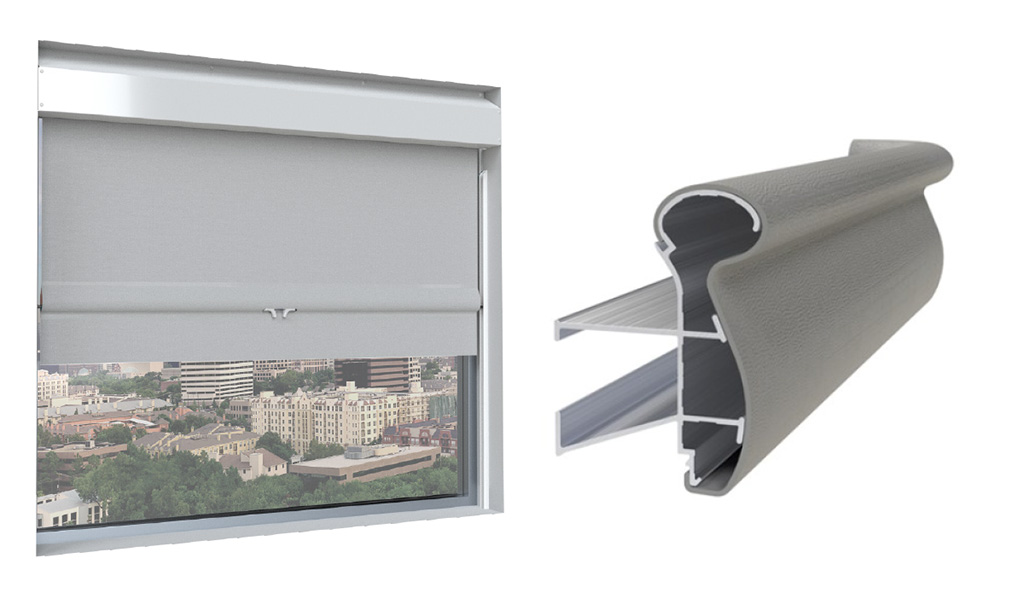
Handrails, window treatments, door hardware, plumbing fixtures, and drains must all be thoughtfully selected to promote a safe and functional space. Pictured are ligature-resistant handrails and quick-breakaway window treatments that are specifically designed as ligature resistant.
Trigger Warning: This article addresses behavioral health design considerations that include discussion of suicide prevention, ligature resistance, and self-harm risk mitigation. Readers should be aware that while the intent is professional and educational, some of the content may be distressing.
Photo courtesy of Inpro
Behavioral health environments can offer a safe refuge for patients and a chance to rest and recover. However, careful design elements must be considered to help reduce the chance of patient self-harm.
This article will explore design choices architects and designers can make to improve the health, safety, and emotional well-being of patients and staff in behavioral health facilities. Unlike traditional healthcare settings, facilities specializing in mental health support and recovery have unique requirements to ensure occupant safety. Protecting patients from potential self-harm, maintaining hygienic and easy-to-clean spaces, and creating environments that support therapeutic outcomes are all critical priorities for the architect.
By first understanding the unique nature of behavioral health environments, this article will provide information on potential risks to patients and how to design standards that help mitigate these potential risks. Guidance will reference the Facility Guidelines Institute (FGI) Guidelines for Design and Construction of Residential Health, Care, and Support Facilities, which outline design suggestions for behavioral health environments, along with recommendations from the New York State Office of Mental Health (NYS-OMH) Patient Safety Standards, Materials and Systems Guidelines, a widely recognized resource in the field. The article will examine how choosing durable products can provide hygienic surfaces that support health care facility goals. Finally, the article will discuss the emotional benefits of including biophilic design in behavioral health settings to encourage recovery and foster improved environments for patients, staff, and visitors.
Protect the Patient
Traditional health care facilities are designed around the delivery of medical treatment, with emphasis on infection control, accessibility, and patient comfort. The risks that shape design in these spaces, such as the spread of pathogens, safe circulation of patients and staff, or access to life-saving equipment, are well understood and addressed through long-standing codes and standards. Architects approach these projects with a familiar toolkit of strategies intended to support efficient care while safeguarding the health of patients, visitors, and staff.
Behavioral health environments, while sharing many of these requirements, must also confront a different and more complex set of risks. Patients in these facilities often face acute to severe mental health challenges, including conditions that may lead to self-harm or suicide. As a result, elements such as window shades or a shower fixture that might seem benign in a traditional hospital can become a potential hazard in a behavioral health unit. These spaces demand not only compliance with general health care design standards but also specialized strategies that anticipate and reduce risks unique to mental health treatment.
The distinction between the two types of facilities underscores the importance of intentional, detail-oriented design in behavioral health. Architects and designers must go beyond clinical efficiency and patient comfort to actively prevent harm that could result from the misuse of the built environment.
The most pressing of these concerns is ligature risk. Ligature in behavioral health design refers to any point, feature, or object in the built environment that a patient could use to attach or loop a cord, rope, clothing, or similar material in an attempt at self-strangulation. Eliminating ligature risk is not a matter of adding a single product or treatment; it requires a comprehensive design strategy that addresses the entire environment, from hardware and plumbing to ceilings, furniture, and spatial layout. By prioritizing ligature-resistant solutions, architects and designers help ensure that vulnerable patients can focus on healing in spaces that are both secure and therapeutic.
Understanding Ligature Risk
Photo courtesy of Inpro
One of the key strategies to mitigate the risk of self-harm in behavioral health facilities is to specify ligature-resistant fixtures throughout the patient-occupied space.
Ligature risk is a central concept in behavioral health design. Even seemingly small or overlooked details, such as the gap behind a door, the curve of a plumbing fixture, or the juncture between a wall and ceiling, can become potential hazards. To proactively protect the patient, the challenge lies in predicting how an environment might be used in ways not originally intended and then choosing to make careful product and detailing choices that mitigate those risks.
National guidelines highlight the importance of reducing ligature risk. The Facility Guidelines Institute (FGI) provides recommendations for behavioral health facilities, while other important guidelines, such as those published by the New York State Office of Mental Health (NYS-OMH), set clear performance criteria for ligature-resistant products. These resources emphasize not only the need to remove potential anchor points but also the importance of balancing safety with the therapeutic intent of care environments.
Certain elements within behavioral health facilities consistently present the highest potential for ligature risk.
Elements that require special attention include:
- Door Hardware: Traditional knobs, levers, and hinges can create anchor points for cords or clothing. Ligature-resistant alternatives feature sloped or rounded surfaces, tamper-resistant fasteners, and limited opportunities for attachment.
- Plumbing Fixtures: Faucets, sinks, and all components of shower systems must be carefully designed to eliminate protrusions or edges. This includes grab bars, valves, and spray heads. These elements should be ligature-resistant and tamper-proof, with recessed or sloped geometries that eliminate hanging potential. Special attention should be given to ligature-resistant shower drains and tamper-resistant trench drain covers, as these are areas often overlooked. Other features include thermostatic control and anti-scald features that enhance both safety and comfort, while integrated hand showers must be secured or retractable to avoid misuse. Many manufacturers now offer ligature-resistant fixtures tested specifically for behavioral health environments.
- Ceilings and Grilles: Overhead elements may create opportunities for suspension if gaps or openings are accessible. Secure ceiling systems and ligature-resistant air grilles are critical to addressing these vulnerabilities.
- Furniture: Movable furniture presents risks if it can be repositioned to create an anchor point or if it is not sufficiently weighted. Built-in or weighted furniture solutions help reduce this concern while still providing comfort.
- Window Treatments: Ligature-resistant window treatments should eliminate cords, chains, or any looping mechanisms. Fixed or tamper-resistant track systems and integrated daylight controls provide safe alternatives. Shatterproof glazing and anti-ligature curtain track systems can maintain privacy and daylight while minimizing risk.
- Door and Wall Protection: Wall protection systems should use adhesives and seamless installations to avoid trim edges or cap profiles that could be used as anchor points. Heavy emphasis should be placed on smooth, continuous surfaces with integral corner guards and flush transitions between materials to prevent tampering or concealment opportunities.
- Privacy Curtains: Curtains in patient areas and showers should use breathable fabrics and pop-out carrier systems that release under strain. Shower curtains should also be weighted and tear-away to prevent ligature use while maintaining dignity and privacy for the patient. Per the NYS OMH, facilities shall perform a risk assessment to determine their options for shower and privacy curtains.
- Miscellaneous Anchors: Light fixtures, wall-mounted accessories, and even casework can unintentionally provide attachment points. These items must be carefully detailed, selected, or avoided entirely in high-acuity areas.
By addressing these areas methodically, architects and designers help ensure that no single feature of the space can be used in a way that undermines patient safety.
Strategies for Mitigating Risk
Effective design for behavioral health environments requires a coordinated approach that combines material choices with spatial planning. One essential strategy is the use of products that have been specifically tested and rated as ligature-resistant according to recognized standards. Many manufacturers now collaborate with clinical advisors and behavioral health specialists to create hardware, plumbing fixtures, and furniture that anticipate patient interaction and address safety from the outset.
Another critical consideration is the way transitions are detailed within a space. Junctions between walls, ceilings, and floors should be carefully minimized to eliminate gaps or protrusions that could serve as attachment points.
Supervision also plays a central role in mitigating risk. Although privacy is an important therapeutic element, behavioral health facilities must still provide staff with clear sightlines and opportunities for unobtrusive observation. The use of windows, angled walls, and carefully placed openings can enhance supervision while avoiding an overtly institutional character.
Finally, incorporating the input of care staff during design is critical for both patients and staff. Clinicians and support teams often have first-hand knowledge of how patients interact with their surroundings, and their insight can reveal potential risks that may not be apparent from drawings or product catalogs alone. By integrating this feedback into design decisions, architects can ensure their strategies are grounded in the realities of patient behavior and staff experience. Supporting this process, architects can utilize the Environmental Safety Risk Assessment, or ESRA (see sidebar).
Balancing Safety and Therapy
A significant challenge in behavioral health design is balancing safety requirements with the goal of creating environments that feel restorative rather than institutional. Overly austere or prison-like spaces can increase patient anxiety, reduce trust, and work against the therapeutic process. This atmosphere can also take an emotional toll on caregivers and negatively impact visitors responsible for making care choices for patients.
Patients benefit when spaces are designed to be both safe and welcoming, using natural light, warm finishes, and comfortable furnishings that still meet ligature-resistant standards. These choices communicate dignity and respect for patients while preserving safety.
Architects and designers play a significant role in protecting patients by anticipating risks and embedding safety into every design decision. This requires a holistic mindset: every hinge, surface, fixture, and piece of furniture becomes part of a broader system designed to prevent self-harm. At the same time, architects and designers must maintain a clear focus on the healing mission of behavioral health environments to create spaces that convey dignity, comfort, and respect.
Photos courtesy of Inpro
Handrails, window treatments, door hardware, plumbing fixtures, and drains must all be thoughtfully selected to promote a safe and functional space. Pictured are ligature-resistant handrails and quick-breakaway window treatments that are specifically designed as ligature resistant.
FGI and NYS-OHM Guidance on Design
While the ultimate responsibility for safe and therapeutic care is the responsibility of the health care facility, the opportunity to design healing environments rests with the architect and designer. Several resources provide critical support in shaping behavioral health design. Among the most influential is the Facility Guidelines Institute (FGI) Guidelines for Design and Construction of Residential Health, Care, and Support Facilities. Widely recognized as a national benchmark, these guidelines establish minimum standards for the planning, design, and construction of behavioral health environments. Unlike prescriptive codes that dictate exact solutions, the FGI Guidelines set forth performance-based requirements that emphasize safety, infection control, accessibility, and therapeutic function. This balance allows architects to apply professional judgment while grounding their decisions in well-vetted criteria.
For behavioral health settings, the FGI Guidelines highlight provisions aimed at reducing risks of self-harm while supporting recovery. These provisions address the need for ligature-resistant fixtures and hardware, and durable materials that withstand the demands of high-use environments. They also reinforce the importance of designing spaces with clear sightlines, enabling staff to supervise patients without sacrificing dignity or privacy.
Complementing the FGI Guidelines is the New York State Office of Mental Health (NYS-OMH) Patient Safety Standards, Materials, and Systems Guidelines. Although developed for projects within New York state, the NYS-OMH guidelines have become one of the most widely referenced resources in behavioral health design nationwide. Their value lies in their specificity: whereas FGI establishes broad performance expectations, NYS-OMH translates those principles into practical strategies and product-level recommendations. For example, the guidelines provide detailed testing criteria for doors, ceilings, furniture, plumbing fixtures, and interior finishes. These criteria establish a measurable standard of ligature resistance and durability that architects and manufacturers alike can reference.
The influence of the NYS-OMH guidelines extends well beyond New York. Architects across the country adopt these standards voluntarily, particularly when designing spaces with higher-acuity patients or where safety risks are pronounced. The guidelines’ emphasis on rigorously tested, product-specific solutions makes them a valuable parallel to the broader framework provided by FGI. When used together, the two resources form a layered approach where FGI offers the overarching goals and minimum requirements, and NYS-OMH provides the detailed road map for achieving those goals in practice.
Beyond FGI and NYS-OMH, the Joint Commission, which accredits healthcare organizations nationwide, has placed the elimination of ligature points at the center of its patient safety strategies. Facilities that fail to address ligature risks may jeopardize their accreditation, creating both patient safety concerns and financial risks. For projects serving veterans, the Department of Veterans Affairs has developed its own Design Guide for Mental Health Facilities, which includes detailed criteria for ligature resistance. Local building codes further shape the environment by requiring safety measures specific to jurisdictional needs, especially in new construction or major renovations. Together, these resources create a multi-layered regulatory landscape in which architects must operate.
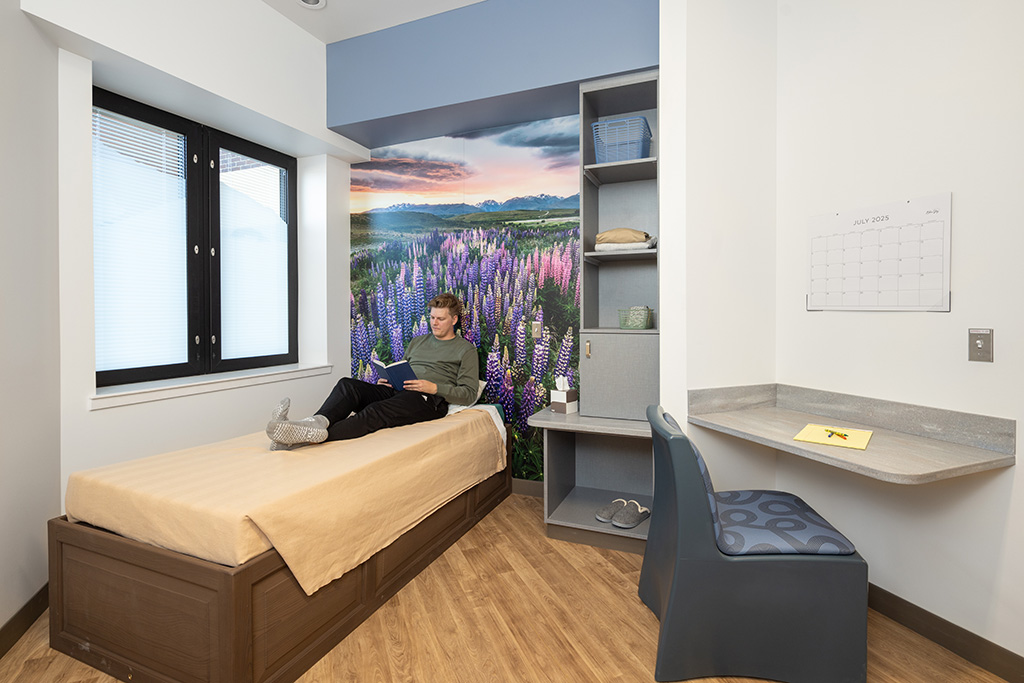
Photo courtesy of Inpro
Guidance from the Facility Guidelines Institute (FGI) and the New York State Office of Mental Health (NYS-OMH) can help architects and designers create spaces that are functional, attractive, and mitigate risk for patients and staff.
Compliance with these guidelines and codes offers benefits beyond meeting accreditation or legal requirements. Adherence provides assurance to patients and families that the environment has been thoughtfully designed to prevent harm, reflecting a commitment to dignity and care. For staff, well-designed spaces reduce stress and create safer working conditions by limiting the need for constant physical intervention. For facility owners and administrators, compliance helps reduce liability while also supporting long-term operational efficiency. Behavioral health facilities that integrate safety standards effectively often report fewer incidents, reduced maintenance needs, and environments that feel both safe and healthful.
Importantly, the integration of these guidelines does not mean design must become sterile or institutional. Both FGI and NYS-OMH acknowledge the importance of creating environments that support recovery by preserving comfort, privacy, and therapeutic intent. Their provisions encourage architects to choose ligature-resistant products that align with contemporary aesthetics and to design layouts that provide natural light, intuitive circulation, and calming finishes. The message is clear: patient protection and patient dignity are not mutually exclusive goals. By following these standards, architects can achieve both.
In practice, successful projects often draw on multiple frameworks simultaneously. A behavioral health unit within a general hospital, for example, may be subject to FGI requirements, Joint Commission accreditation standards, and state-specific safety codes. If that facility serves veterans, the VA design guide may also apply. Architects and designers must weave together these layers of regulation into a coherent design strategy that addresses ligature risks without compromising the therapeutic mission of the facility. This requires not only technical knowledge but also close collaboration with clinicians, administrators, and product manufacturers.
The result of this integrated approach is an environment where safety is embedded at every level. Doors and hardware are selected not just for durability but also for their resistance to misuse. Plumbing fixtures are chosen not only for water efficiency but also for their inability to provide anchor points. Ceilings, furniture, and finishes are detailed in ways that remove hidden risks. At the same time, careful attention to daylighting, color, and spatial proportion ensures that the environment is welcoming and supportive of recovery.
FGI and NYS-OMH together set the tone that architects should approach behavioral health environments with rigor, foresight, and empathy. They remind the profession that designing for vulnerable populations is not only about reducing risk but also about creating spaces that reflect dignity and hope. In this way, the guidelines serve as both a technical resource and an ethical compass, guiding architects and designers toward environments that truly protect and heal.
Durable Products for Behavioral Health Environments
Durability is both a contributor to longevity in behavioral health environments and central to patient safety. Every material and fixture must withstand the demands of daily use while also eliminating opportunities for tampering or self-harm. Unlike traditional healthcare settings, where product selection is driven primarily by hygiene, accessibility, and comfort, behavioral health projects require a deeper level of scrutiny.
One example is the use of pick-resistant caulking. In washrooms and wet areas, joints between wall panels, fixtures, and flooring are traditionally sealed with flexible caulks or sealants. In a behavioral health setting, however, patients may attempt to pick or remove these materials, creating not only maintenance concerns but also potential self-harm risks. Pick-resistant caulks have been developed to address this need, offering a seal that is difficult to tamper with while maintaining the watertight protection critical to bathrooms and shower facilities. Their application transforms a vulnerable joint into a durable, long-lasting barrier that supports both safety and hygiene.
Wall-mounted components also deserve close attention. Signage, placards, and accessories must be secured in ways that prevent removal or misuse. Tamper-resistant mounting hardware and recessed installation methods are common strategies to ensure these items cannot be leveraged as tools for harm. At the same time, architects and designers must remember that signage in a behavioral health setting still serves essential wayfinding and communication purposes. Clear, legible, and durable signs help patients navigate facilities while withstanding repeated cleaning and incidental contact.
Another area where durability and safety converge is in the specification of handrails. In traditional healthcare, handrails are valued primarily for accessibility and support. In behavioral health, they must also be engineered to resist ligature risks. Ligature-resistant handrails incorporate features such as sloped or contoured profiles that minimize potential wedge points, tamper-resistant retainers that secure covers tightly, and durable construction that withstands heavy use. These features not only provide patients with secure support for mobility but also protect against misuse in high-risk areas.
Windows and window coverings illustrate yet another dimension of the challenge. While natural light is critical to creating a therapeutic environment, window treatment systems must be carefully designed to eliminate cords, gaps, or anchor points that could be exploited for self-harm. Ligature-resistant shade systems typically use cordless operation, concealed mechanics, and secure side rails or tracks to prevent tampering. Some systems also incorporate breakaway end tips that release under pressure, preventing the creation of an anchor point. These innovations allow architects and designers to deliver the benefits of daylight and privacy without introducing unnecessary risk.
Privacy curtains represent a related concern. In traditional hospitals, curtains are often suspended from ceiling tracks, with hooks and carriers that present little risk. In behavioral health environments, however, these same features could provide attachment points for ligature. To address this, curtains with low-weight breakaway carriers have been developed, designed to release when subjected to a certain amount of pressure. This ensures that if a curtain is misused, it detaches harmlessly from the track rather than supporting weight. Architects may also specify curtains with virtually seamless fabrics or mesh panels that combine durability with infection control. Curtain materials can also be specified that are breathable, allowing for better air flow and balancing temperatures in the conditioned space. However, the most critical feature remains the controlled breakaway function.
The specification of plumbing fixtures further illustrates the need for products that combine strength, durability, and ligature resistance. Faucets, showerheads, and grab bars in behavioral health environments must feature smooth, contoured designs that eliminate opportunities for attachment. At the same time, they must be robust enough to resist tampering, prying, or repeated impact. Some drains and trench systems are also specifically engineered with tamper-resistant covers, protecting against concealment of contraband and minimizing potential hazards.
Durable product specification is not about making spaces indestructible. Instead, it is about anticipating vulnerabilities, eliminating unnecessary risks, and selecting materials that support the long-term function of the environment. In behavioral health design, these choices ultimately protect patients while creating an environment where healing can take place with dignity and respect.
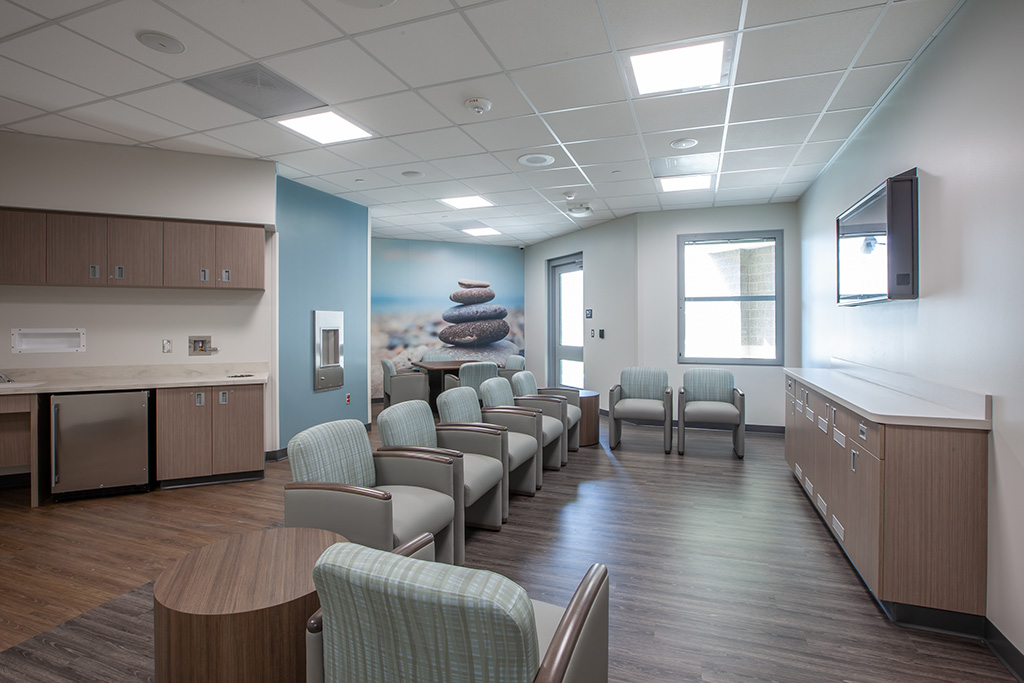
Photo courtesy of Inpro
In both patient rooms and common spaces, material and surface selections influence infection control and the long-term resilience of behavioral health facilities.
Healthy Surfaces for Healthy Occupants
The surfaces chosen for behavioral health environments play a critical role not only in aesthetics but also in patient and staff health. Architects must consider how materials influence air quality, infection control, and overall cleanliness. Smooth, non-porous, and antimicrobial surfaces are particularly valuable in these facilities because they limit microbial growth, withstand frequent cleaning, and contribute to healthier indoor environments.
The Importance of Surface Selection
Behavioral health facilities, like all healthcare settings, must control the spread of infectious disease. Patients and staff share close quarters, and surfaces are frequently touched, cleaned, and exposed to bodily fluids. Bacteria such as Staphylococcus aureus or Clostridioides difficile and fungi like mold or mildew can persist on porous or uneven surfaces, making them difficult to remove even with aggressive cleaning. In addition, the rising awareness of viral transmission in indoor environments underscores the importance of finishes that do not provide reservoirs for pathogens.
A unique challenge in behavioral health environments is the need for rigorous and frequent cleaning. These facilities are often maintained with aggressive schedules that call for strong disinfectants. While essential for infection control, repeated chemical applications can introduce risks such as residual odors, airborne irritants, and environmental buildup of harsh cleaning agents. Excessive reliance on chemicals may also increase maintenance costs and shorten the lifespan of building finishes.
Smooth, durable, and easy-to-clean surfaces help reduce this dependency. Materials designed to resist staining and microbial growth can often be cleaned effectively with milder products or with less frequent or intensive scrubbing. By specifying products that maintain cleanliness through material science rather than chemical intervention, architects and facility managers can strike a balance between infection control and occupant well-being. This approach both protects patients from chemical overexposure and supports environmental stewardship.
Applications Promoting Safety and Efficiency
Several areas in behavioral health facilities particularly benefit from the specification of healthy surfaces. In patient bathrooms, solid surface wall panels and shower bases provide virtually seamless coverage that prevents water intrusion and mold growth. In corridors and day rooms, wall protection systems and durable coatings resist impact damage while offering smooth, cleanable finishes. Countertops and cabinets in staff areas and medication rooms can be specified with non-porous, chemical-resistant surfaces that tolerate frequent disinfecting without degrading.
Even decorative finishes can support health objectives when properly selected. Printed or textured wall panels that incorporate durable substrates can contribute to the calming, biophilic aesthetics often sought in behavioral health design while still delivering cleanability and resistance to microbial colonization. The key is to ensure that visual appeal does not come at the expense of hygiene or durability.
The financial implications of surface selection are significant. In many healthcare facilities, maintenance represents a substantial portion of operational budgets, with staff labor and cleaning products accounting for ongoing costs. Smooth wall protection panels that resist scratches and staining, for example, maintain a clean appearance longer and require fewer repairs or replacements. Non-porous solid surface materials in washrooms and high-traffic areas reduce the likelihood of mold growth, eliminating the need for costly remediation.
For architects, the lesson is clear. Every wall panel, countertop, and floor finish is part of the larger ecosystem of patient safety that also contributes to efficiency. By choosing surfaces that resist microbial growth, reduce cleaning burdens, and maintain their appearance over time, the design team supports both the therapeutic mission of the facility and the financial sustainability of its operations. Healthy surfaces protect the patient, the staff, and the building itself—making them a cornerstone of behavioral health design.
Creating a Patient-Centric Environment
Designing behavioral health environments is a task that requires architects and designers to think beyond safety and function and also consider the lived experience of the patient. For many individuals, entering a behavioral health facility is already fraught with stress, stigma, and fear. Traditional institutional environments, normally characterized by sterile finishes, harsh lighting, and limited privacy, can amplify these feelings, creating negative associations that undermine the therapeutic mission of care. To truly serve patients, the design of these facilities must not only mitigate risks of self-harm but also actively promote dignity, autonomy, and overall well-being.
Biophilic design has emerged as a powerful tool to achieve this balance. Grounded in the principle that humans have an innate connection to nature, biophilic strategies incorporate natural forms, materials, light, and imagery into the built environment. In behavioral health settings, this connection can provide measurable benefits by reducing stress, supporting emotional regulation, and fostering a sense of calm. When thoughtfully applied, biophilic design transforms a potentially intimidating clinical environment into one that feels restorative, human-centered, and patient-centric.
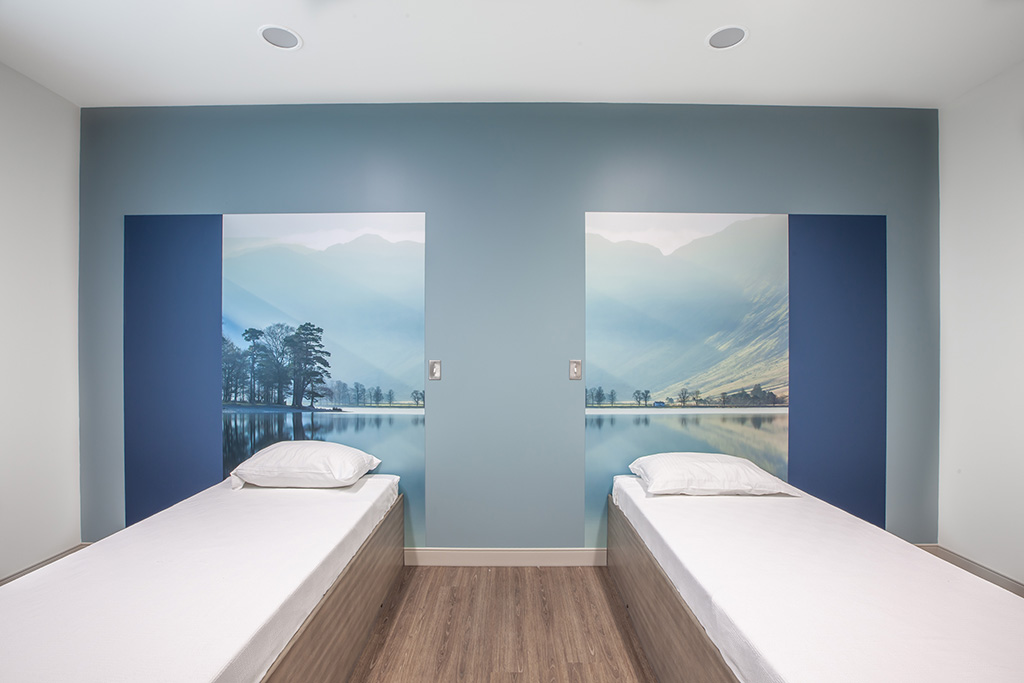
Photo courtesy of Inpro
Biophilic design strategies can enhance the dignity, emotional well-being, and therapeutic outcomes for patients, while supporting staff efficiency.
The Role of Biophilia in Recovery
Research consistently shows that access to natural light, views of the outdoors, and images of nature have a positive impact on patient outcomes. For behavioral health patients, who may spend extended periods within facility walls, these connections to nature are even more critical. Exposure to daylight helps regulate circadian rhythms, supporting healthier sleep patterns that are essential to recovery. Visual access to nature, whether through windows, skylights, or nature-inspired artwork, has been linked to reduced anxiety, lower blood pressure, and improved mood.
In addition to physiological benefits, biophilic environments also support psychological needs. Spaces that incorporate natural patterns and elements create a sense of normalcy and respect, counteracting the institutional atmosphere often associated with mental health treatment. Patients are more likely to engage in therapeutic activities and to perceive their care environment positively when surrounded by design features that evoke comfort and familiarity.
Design Strategies for Biophilic Environments
One of the most effective strategies to integrate biophilia into behavioral health design is the use of natural light. Large windows, clerestories, and light wells allow sunlight to penetrate deep into interior spaces, reducing reliance on artificial lighting and creating a dynamic connection to the time of day and season. For patient safety, glazing can be specified with tamper-resistant frames and ligature-resistant treatments, ensuring that natural light is delivered without compromising security.
Views to the outdoors are equally important. Courtyards, gardens, or even framed views of the surrounding landscape provide visual relief and a sense of orientation. In high-acuity units where direct access to outdoor spaces may be limited, controlled views from patient rooms or day areas can still provide psychological benefits. Designing circulation paths to maximize exposure to these views ensures that patients encounter them throughout their daily routines.
Interior finishes also play a role in biophilic design. Invoking natural materials such as wood tones, stone textures, and organic patterns can be accomplished using durable, healthcare-appropriate finishes. Colors can play an important role as well, with green, blue, and rose tones that create a sense of calm and peace. Even when actual natural materials are impractical due to durability or maintenance concerns, architects and designers can specify printed wall panels, surface treatments, or textiles that evoke biophilic imagery. Murals depicting landscapes, patterns inspired by leaves or water, and calming color palettes drawn from nature all help reinforce the connection to the natural world.
Another strategy involves the integration of flexible spaces that allow patients to exercise autonomy and choice. Providing options such as quiet rooms with soft lighting, group areas with views of gardens, or multipurpose spaces adaptable to patient needs all support well-being by recognizing patients as active participants in their recovery. Autonomy is a key psychological factor in mental health treatment, and environments that allow for personal choice reinforce dignity and empowerment.
The Patient Perspective
Perhaps the most powerful justification for biophilic design comes directly from the patient perspective. Patients in behavioral health facilities often describe feelings of confinement, lack of control, and disconnection from everyday life. A thoughtfully designed environment can help counteract these feelings. When patients look out a window and see trees moving in the wind, or sit in a day room that incorporates calming patterns and natural imagery, they experience a sense of continuity with the world outside the facility. These moments of connection support the therapeutic process by reducing the sense of isolation.
An important reminder is that family members visiting patients will be emotionally impacted by the overall feel and perception of the space. Family members and visitors also benefit from patient-centric environments. Spaces that feel less institutional are more welcoming to loved ones, encouraging visits and supporting the social connections that are vital to recovery. Overly industrial or “cold” environments may encourage visitors to prematurely hasten care and remove patients from behavioral health care settings too soon if they sense the aesthetics or design of the space is negatively impacting the patient. Rooms that feel comfortable, calming, and supportive of the healing process enable stewards of patients to be more inclined to continue treatment per caregiver recommendations.
For staff, working in environments with natural light and biophilic features can reduce stress and burnout, contributing to a healthier workplace culture. In this way, biophilic design becomes a shared benefit for all who occupy the facility. Biophilic elements can give hospital staff a subtle but meaningful boost in well-being by creating spaces that feel calmer and more restorative. Access to natural light, views of trees or sky, indoor plants, and warm natural materials can reduce stress, support attention, and offer brief moments of mental recovery during demanding shifts. These cues from nature help mitigate fatigue and burnout, supporting staff performance, mood, and overall resilience in a high-pressure clinical environment.
Toward a Holistic Model of Care
The inclusion of biophilic design elements represents a broader shift in behavioral health architecture: moving from environments of control to environments of care. While safety will always remain paramount, facilities designed only to prevent harm risk overlooking the equally important goal of promoting healing. Biophilic strategies remind architects, designers, and owners that patient dignity, autonomy, and well-being must be embedded in the design process.
By integrating natural light, views, patterns, and imagery, architects and designers can create spaces that are safer, calmer, and more supportive of recovery. These patient-centric environments reflect an understanding that behavioral health care is not simply about treating illness but also about fostering conditions for long-term healing. As the profession continues to evolve, biophilic design will remain a critical tool for ensuring that behavioral health environments honor the humanity of every patient they serve.
Conclusion
Behavioral health environments call for architects to design for safety, dignity, and recovery of patients in those settings. This balance can be achieved with a clear understanding of the risk of self-harm potential, including ligature risks. By considering ways everyday elements might be misused and then implementing appropriate solutions, architects can mitigate this risk. In design and construction, the answer includes consistent incorporation of tested, ligature-resistant products to remove the possibility of anchors in order to align with trusted frameworks such as FGI and NYS-OMH. The tool ESRA can also help with these goals.
Ultimately, durable, hygienic surfaces reduce the need for maintenance and provide infection control while protecting patients and staff without sacrificing a contemporary aesthetic. Equally important, biophilic strategies that incorporate light, views, natural patterns, and calming imagery help regulate mood, reduce stress, and make facilities feel restorative rather than institutional. Successful projects integrate clinical input early, verify performance through mockups and reviews, and treat every hinge, fixture, and interface as part of a coordinated safety system. Done well, behavioral health design protects the treatment plans and lives of patients, supports care teams, and affirms the dignity of every person who enters the space.
Andrew A. Hunt is Vice President of Confluence Communications and specializes in writing, design, and production of articles and presentations related to sustainable design in the built environment. In addition to instructional design, writing, and project management, Andrew is an accomplished musician and voice-over actor, providing scores and narration for both the entertainment and educational arenas. www.confluencec.com https://www.linkedin.com/in/andrew-a-hunt-91b747/