Designing for Human Experience
Specifying Image-Based Wall Protection
Sponsored by Inpro | Presented by Kelly Boeder and Sarah Martell
Live Webinar Airing on November 12, 2026 at 02:00 PM ET
This course explores how printed wall protection can support health, safety, and welfare through purposeful image-based design. Participants will learn how imagery can influence visual comfort, stress reduction, cognitive response, and emotional well-being in interior environments. The course also covers how to evaluate imagery for large scale applications and navigate key specification decisions, including sourcing, sampling, substrates, seaming, and submittals, to support hygienic, durable, and high performing spaces.
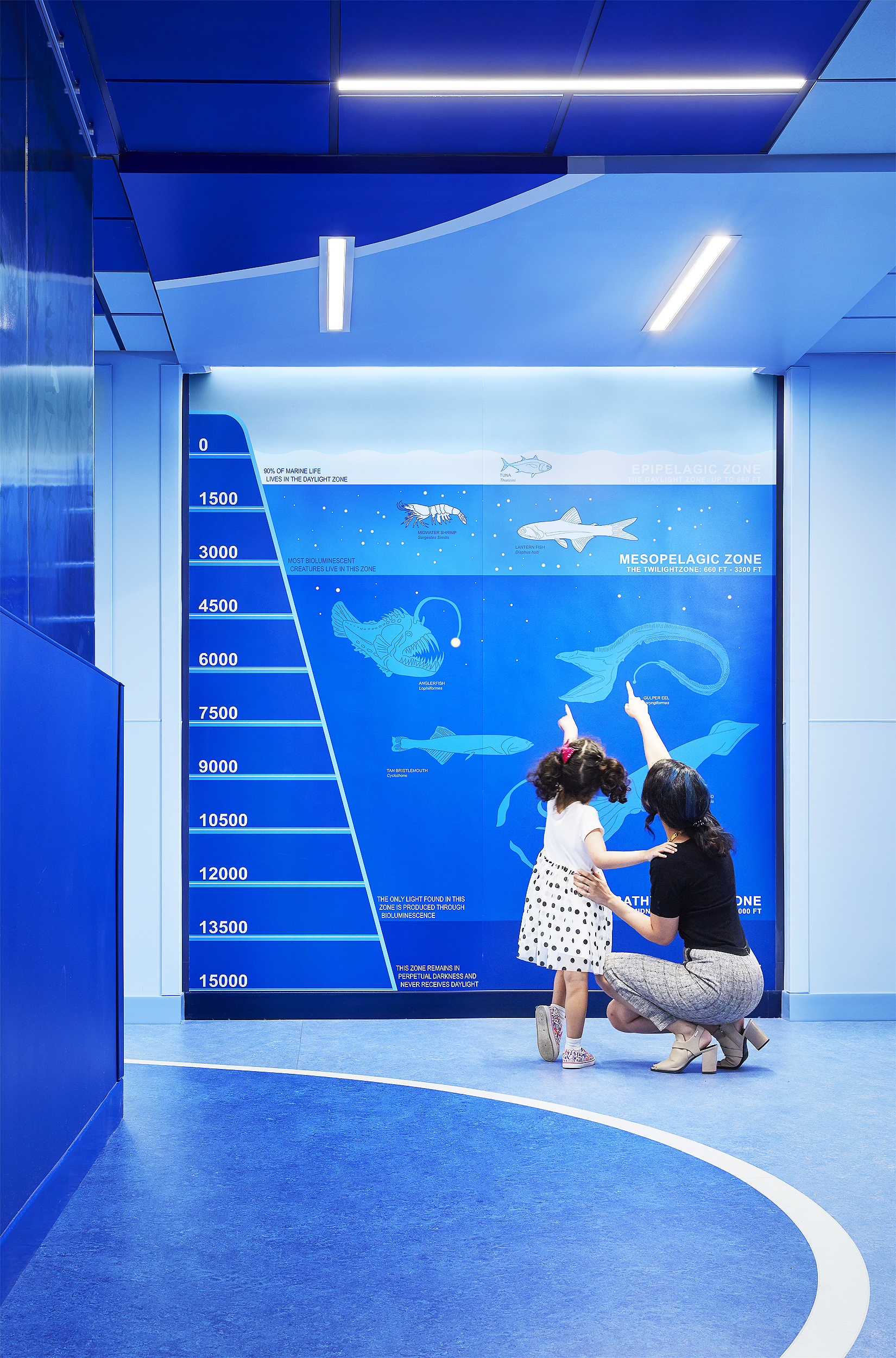
Photo courtesy of Inpro Corporation
 |
Kelly Boeder is the Senior Director of Sales for Inpro Corporation’s Sign and Print Division, bringing more than 20 years of experience across manufacturing, sales and marketing. With extensive expertise in printed wall protection, Kelly plays a key role in advancing durable, design-driven solutions that help protect and elevate commercial interiors across healthcare, education and other high-traffic environments. |
 |
Sarah Martell is a Senior Interior Designer at Inpro Corporation with more than a decade of experience in commercial interior design. Her background spans senior living, healthcare and hospitality, where she brings a thoughtful, design-driven approach to creating functional and engaging interior environments. Sarah earned her bachelor’s degree in Interior Design with a minor in Fine Art from Mount Mary University. Her passion for design began early, inspired by her father’s work designing their family home and the opportunity to experience the design process from concept through completion. |

Founded in 1979, Inpro® is a global provider of high-performance, design-forward architectural products for building professionals. Inpro's product categories include door + wall protection, washroom systems, expansion joint systems, cubicle curtain + privacy systems, elevator interiors, architectural signage, and commercial window treatments.
Originally published in Architectural Record
Originally published in September 2026
LEARNING OBJECTIVES
- Assess how image-based design decisions influence occupant health and welfare, including visual comfort, stress reduction and cognitive response in interior environments.
- Apply principles of biophilia and neuroaesthetics to select imagery that supports emotional well-being and positive human experience across commercial spaces.
- Evaluate imagery for large scale applications by analyzing resolution, scale, orientation, color values, and lighting conditions to prevent visual distortion and user discomfort.
- Define a specification process for printed wall protection including image sourcing, sampling, submittals, seaming, and substrate selection to ensure hygienic and high performing environments.