Designing Data Centers for Community Compatibility
How acoustics, screening, and integrated infrastructure can reduce neighborhood impact
Sponsored by Construction Specialties
Data centers are increasingly being developed within suburban, rural, and mixed-use communities, creating new design challenges related to acoustics, airflow, visibility, and expansive cooling infrastructure. This course examines how sound is generated, how it travels through major intake and exhaust openings, and why the massive airflow demands required for cooling make acoustic control especially complex.
It explores coordinated strategies—including acoustic louvers, screening systems, and facade coordination—that help architects balance airflow, acoustics, operational performance, and evolving community and regulatory expectations while creating more cohesive and visually integrated facilities.
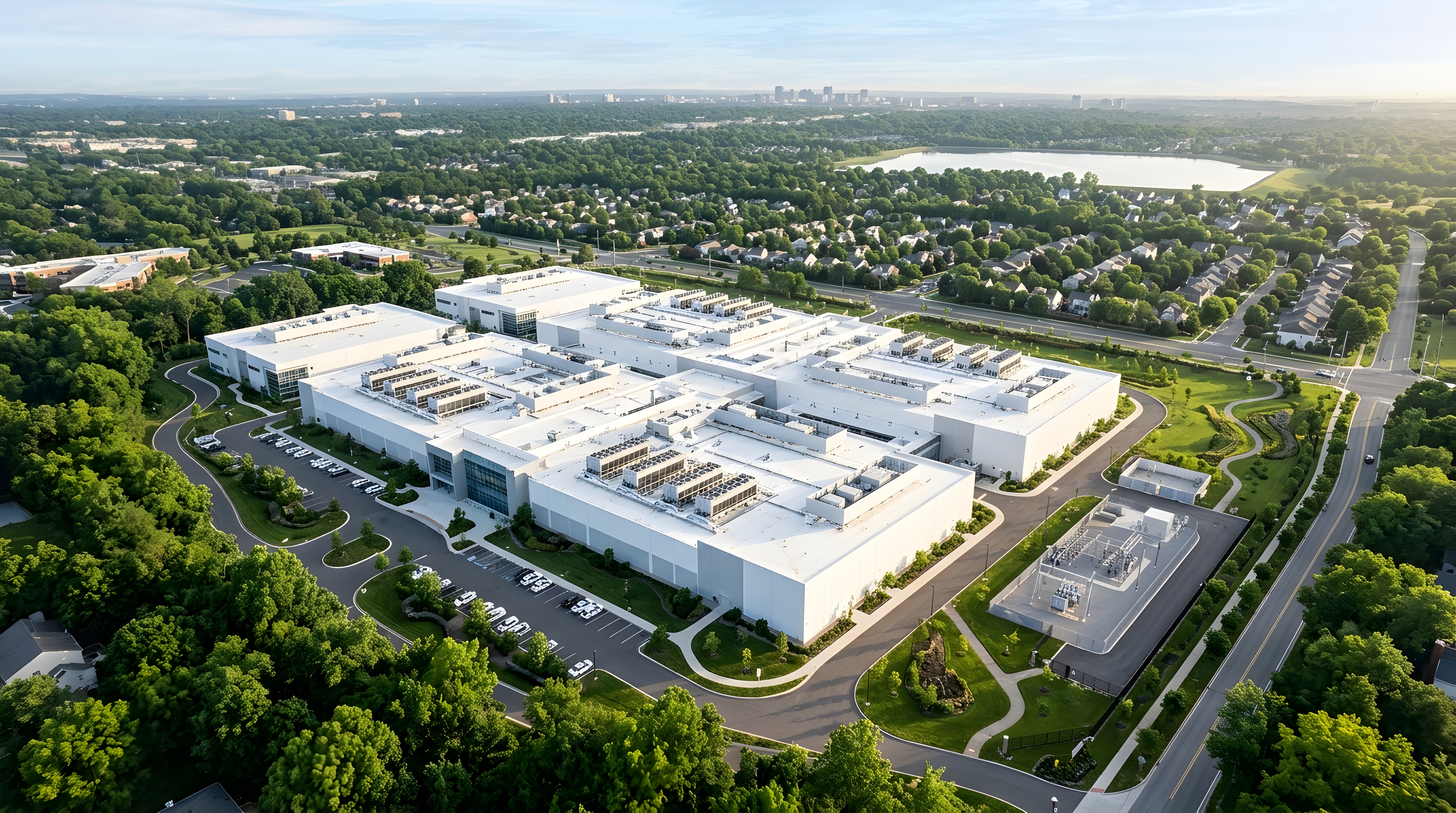
Photo courtesy of RYN Studio

Founded in 1948, Construction Specialties (CS) is a family-owned, specialty building products manufacturer. CS provides solutions to challenges that architects, designers, building owners, facility managers, and contractors face every day. Since inventing the first extruded louver, CS has become a global leader in all our product categories: Acrovyn® interior wall protection, impact-resistant doors, entrance flooring, expansion joint solutions, architectural louvers, sun controls, architectural elements and privacy curtains + tracks. Drawing upon our decades of experience, CS provides extensive services resulting in high-quality products found in some of the world’s most significant architecture. For more information about CS products and solutions, please visit c-sgroup.com.
Originally published in Architectural Record
Originally published in September 2026
LEARNING OBJECTIVES
- Discuss why cooling systems, large airflow openings, and onsite power generation can create noise challenges in data centers.
- Describe how acoustic louvers help reduce mechanical noise without limiting the airflow needed for cooling and other systems.
- Identify screening and facade strategies that help large cooling and mechanical systems integrate more successfully into the overall building design.
- Describe how facade and screening systems can help balance airflow, noise control, building performance, aesthetics and community expectations.