Photo courtesy of Tile of Spain
Beautiful and durable, ceramic tiles offer an excellent total cost of ownership value proposition and long-term value.
Boasting an excellent, long-term track record of durability and longevity, ceramic tile offers one of the best value propositions in the flooring and surface market today. With surviving examples in the Middle East dating all the way back to 4,000 BCE, ceramic tile’s remarkable resilience and long-term value are essentially unrivaled. “When properly specified, installed, and maintained, tile can last for decades and often outperforms many other flooring and wall finish materials,” states Lauren Christenson, interior designer, OHM Advisors, Plymouth, Mich. “This is due to several key characteristics including hardness, scratch resistance, water resistance, color stability, and resistance to wear from heavy foot traffic.”
While some other materials may offer lower first cost, those short-term savings are inevitably eaten up by compromised performance, aesthetics, high maintenance, and the repair and replacement costs that inevitably creep up much sooner than desired. While architects and owners are often tempted to go with low-cost, quick-fix product choices, focusing on just budget is very short-sighted.
Consequently, a strong case can be made for evaluating materials based on life-cycle performance, total cost of ownership, and long-term value. “When evaluating flooring through the lens of total ownership cost, durability, maintenance, occupant health, and environmental impact, ceramic tile consistently remains one of the strongest long-term material solutions available,” asserts Christenson.
In order to tap into these highly worthwhile benefits, architects must change their approach and perception of what surface materials are. This means a shift in perspective in not simply viewing ceramic as a finish material, but in redefining it as a high-performance building skin. This then results in a very different value equation.
The King of Durability and Longevity
What makes ceramic tiles so robust? Made from clay, sand, and readily available minerals, ceramic tile is fired at extremely high temperatures during manufacturing. This sintering process develops these ingredients into a dense, inert material highly resistant to moisture intrusion, staining, chemical exposure, and (at higher densities) freeze-thaw conditions in exterior applications. It does not fade, warp, or deteriorate as other surface materials tend to do when exposed to UV rays, humidity, or changing environmental conditions. This ensures dimensional stability and prevents color fading. Highly versatile, it’s suitable for both interior and outdoor environments. In addition to flooring, it’s used on walls, countertops, backsplashes, wet environments like showers and pools, and facades.
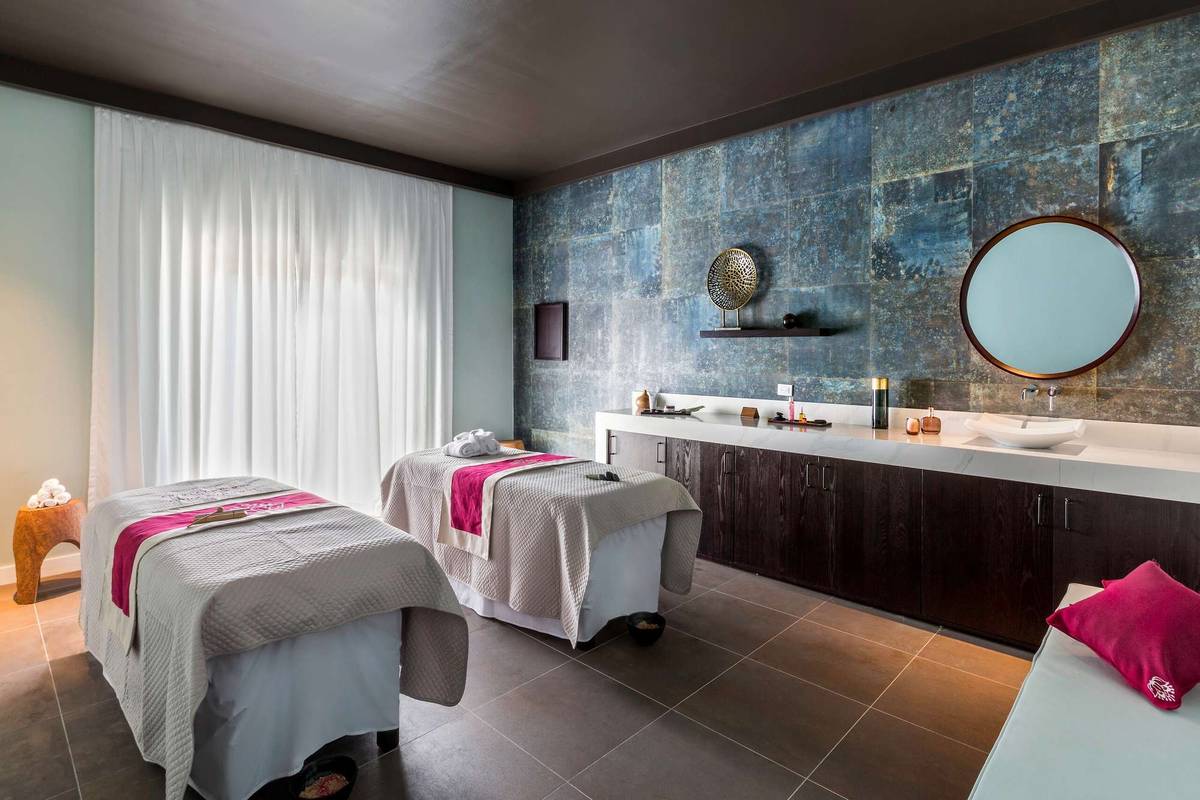
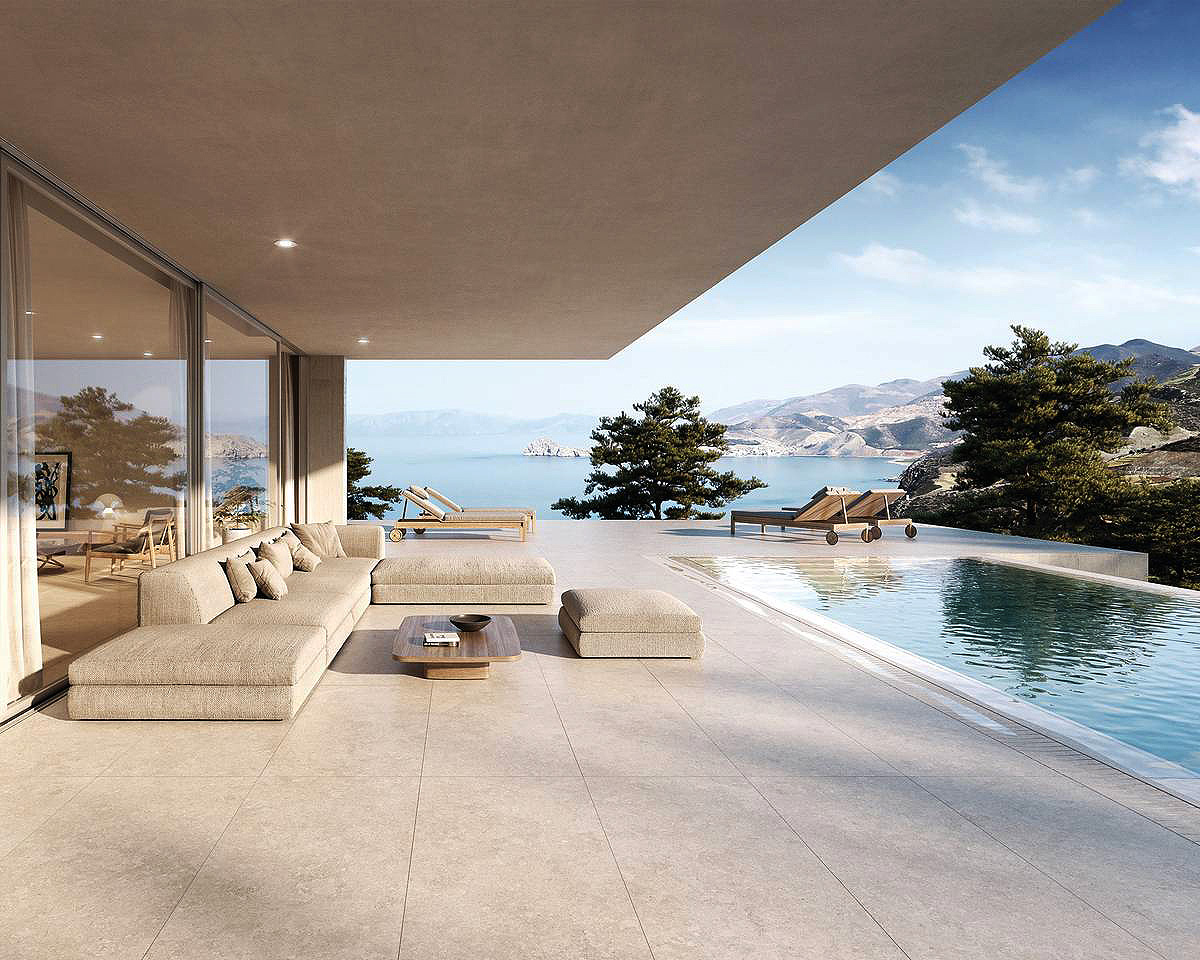
Ceramic tile is available in a wide range of formats, thicknesses, colors, patterns, and finishes, enabling designers to use the material across multiple application types while meeting different aesthetic and functional requirements. This flexibility allows a single product family to address surface covering needs for every type of setting, from high-traffic circulation paths and wellness centers to feature walls, exterior cladding systems, and water-exposed environments. As a result, architects can often achieve greater visual continuity throughout a project while still meeting the performance demands unique to individual spaces.
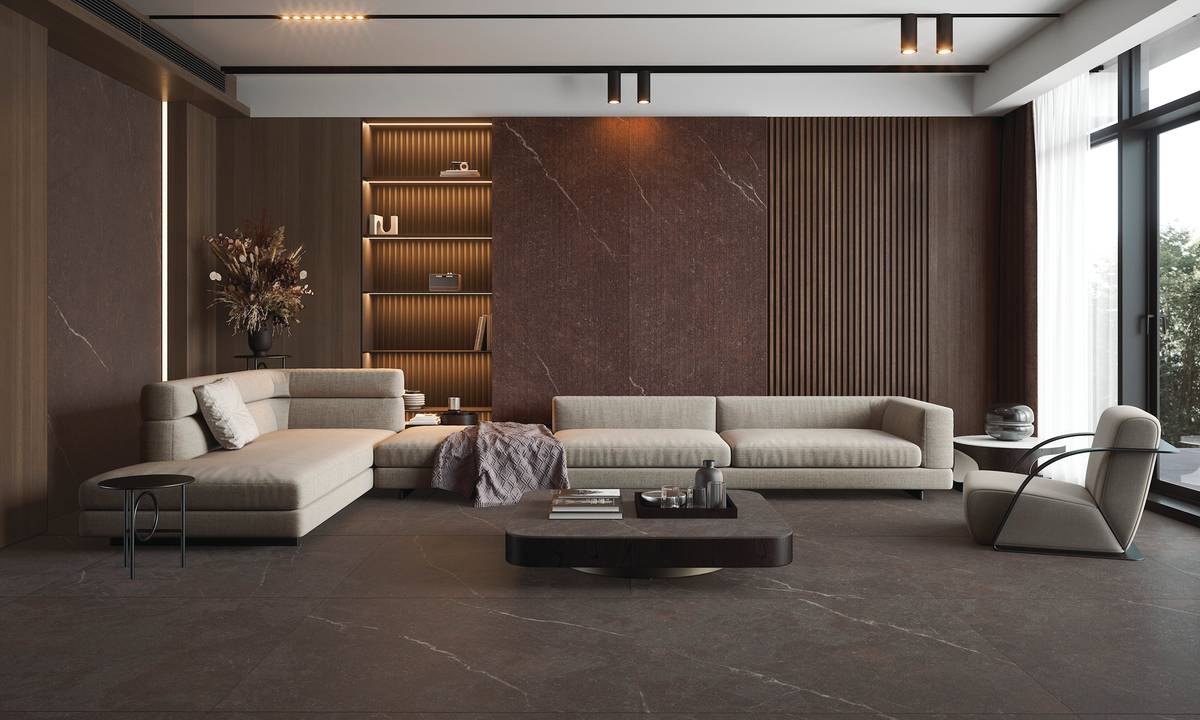
Photo courtesy of Tile of Spain
Ceramic tile is available in a wide range of formats, thicknesses, colors, patterns, and surface finishes.
Unlike some flooring products that may expand, contract, cup, or distort when exposed to changes in temperature or humidity, properly installed ceramic tile remains stable under a broad range of environmental conditions. This characteristic of dimensional stability is especially valuable in large commercial projects where maintaining alignment, consistent joint widths, and a uniform appearance across extensive floor areas is critical to long-term performance and aesthetics.
“We’ve gone back to projects years later and found that the tile still looks great while other finishes are already showing signs of age,” observes Blima Ehrentreu, founder & CEO of The Designers Group in Brooklyn. Consequently, her team likes specifying tile for healthcare, senior living, and multifamily projects as they stand up well to heavy foot traffic, wheelchairs, cleaning equipment, aggressive cleaning protocols, and constant use.
In many institutional environments, surface selection is as much a risk-management decision as it is a design choice. Materials must be capable of maintaining performance under conditions that may include rolling loads, frequent movement of equipment, occupancy fluctuations, and evolving space utilization. Ceramic tile’s ability to accommodate these demands without significant degradation can help reduce disruptions associated with repairs, replacement projects, and facility downtime. This can be particularly important in healthcare, educational, transportation, and civic facilities that operate continuously or have limited opportunities for renovation.
Ceramic’s dense structure and low porosity make it resistant to things like coffee, grease, and food, as the liquids remain on the surface and don’t penetrate the tile.
This low porosity contributes significantly to the material’s suitability for demanding environments. Acids, oils, and many common contaminants remain on the surface rather than being absorbed into the body of the tile, making routine cleaning both effective and predictable. In kitchens, restrooms, healthcare facilities, educational buildings, and other spaces exposed to moisture or spills, ceramic tile maintains its appearance with standard maintenance procedures rather than specialized restoration treatments.
“Ceramic tile performs exceptionally well because it withstands intensive occupancy, evolving programmatic demands, and the continual cycles of maintenance that define public buildings. Its durability supports a longer architectural lifespan, reducing material turnover, and helping institutions direct resources toward people rather than replacement,” says Juliet Hernandez-Eli, R.A., founder and principal of Hernandez-Eli Architecture, New York City. “In that sense, permanence becomes both an environmental and social value.”
This ability to accommodate change is becoming increasingly important as owners seek buildings capable of serving multiple generations of occupants and uses. Educational facilities may be reconfigured to accommodate new learning models, healthcare facilities routinely update equipment and treatment spaces, and commercial properties often undergo tenant improvements throughout their lifespan. Durable finish materials can support these transitions by continuing to perform without requiring wholesale replacement whenever operational needs shift.
The material is also noncombustible and heat-resistant, which means it won’t burn or contribute fuel to a fire. Further, it is resistant to mold, mildew, bacteria, and allergens.
Performance in demanding environments is further enhanced by ceramic tile’s resistance to abrasion and surface wear. Because the material is fired at extremely high temperatures, it develops a hard structure capable of withstanding years of foot traffic with minimal visible deterioration. Abrasion and wear ratings (PEI scale and Deep Abrasion Resistance ratings) help specifiers determine a tile’s suitability for residential, commercial, healthcare, educational, and institutional applications, ensuring that products are appropriately matched to anticipated use conditions.
Photos courtesy of Tile of Spain
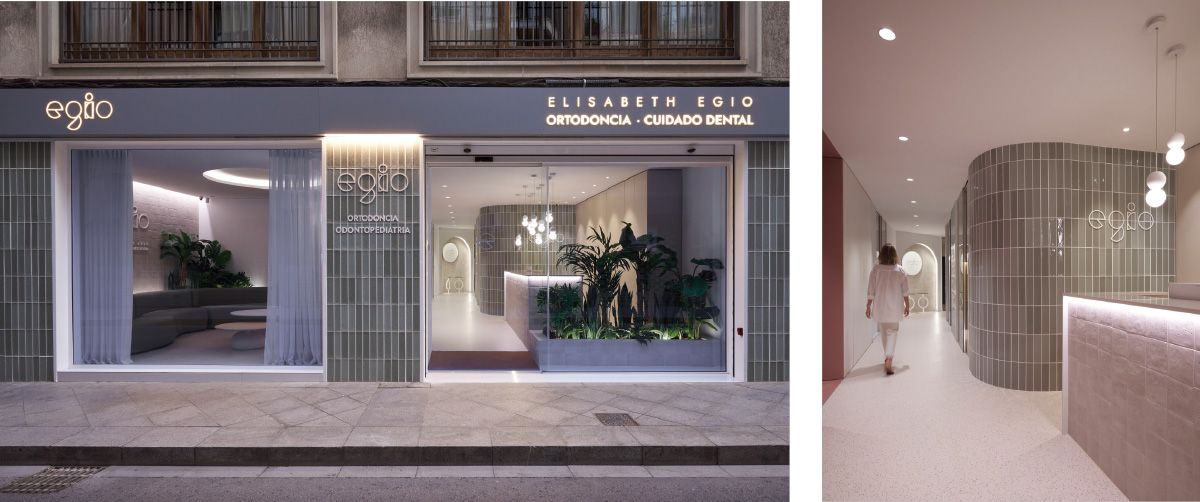
At the Egio dental clinic in Elche, Spain, sage-colored, vertical ceramic tiles welcome patients. An indoor garden leading to the reception area features tiles with a natural stone texture. Inside, a curving, ceramic-tiled wall leads to the clinics.
Total Cost of Ownership
Increasing percentages of architecture and design firms are evaluating building materials through the lens of sustainability and long-term performance. This is slowly, but surely, shifting the focus away from short-term, first cost savings toward long-term durability and value. For some, longevity trumps all. “The most sustainable material isn’t necessarily the one with the lowest upfront environmental impact. It’s often the one that performs well enough that you don’t have to replace it every few years,” states Ehrentreu. “A well-installed ceramic tile floor can last decades. Compare that to materials that may need replacement every 10 to 15 years, and the conversation changes. Every replacement means new materials, labor, transportation, waste, and disruption to the building.”
“Even though the ceramic firing process has an energy cost, the long service life, low maintenance, and potential for reuse or down cycling as aggregate at end of life mean ceramic tile can perform very well when we look at total cost of ownership and environmental impact over the life of a building,” agrees Margine Biswas, AIA, NCARB, LEED AP, Archiphy Architecture and Interiors, Dallas.
Hernandez-Eli takes a similar life-cycle approach to evaluating materials, favoring products that endure - reducing waste, replacement cycles, and operational disruption. Using the public school sector as an example, she sees properly vetted, long-lasting building materials as supporting social equity. “For schools and civic institutions operating within constrained public budgets, that durability also becomes an equity issue,” she explains. “Resilient materials help preserve funding for education, accessibility, and community investment rather than continual renovation.”
Beyond material replacement costs, facility owners are increasingly examining the indirect costs associated with cladding selection. These include occupant disruption, temporary relocations, lost productivity during renovations, and the administrative burden associated with managing repair and replacement projects. While these factors are not always captured in initial budgeting exercises, they can represent significant long-term operational expenses. Materials that minimize intervention and maintain acceptable performance over extended periods can help reduce these hidden costs.
Ceramic tile can also provide long-term value by supporting adaptability. Because the material often remains serviceable long after installation, owners are afforded greater flexibility when updating furniture, equipment, interior layouts, or building functions. Rather than replacing finishes each time a space is reconfigured, existing tile installations can frequently continue performing as intended, extending the usefulness of the original investment and reducing demands on future renovation budgets.
The low-maintenance requirements of ceramic tiles are another large contributor to the total cost of ownership equation. Whereas many floor products require stripping, waxing, refinishing, or specialty coatings to maintain their appearance, ceramics only need routine cleaning with standard maintenance procedures.
When viewed over the long term, the ongoing operational costs of labor and maintenance chemicals significantly add up over time. For high-traffic environments like schools, healthcare facilities, municipal buildings, hospitality spaces, and retail environments, this accrues to a substantial sum.
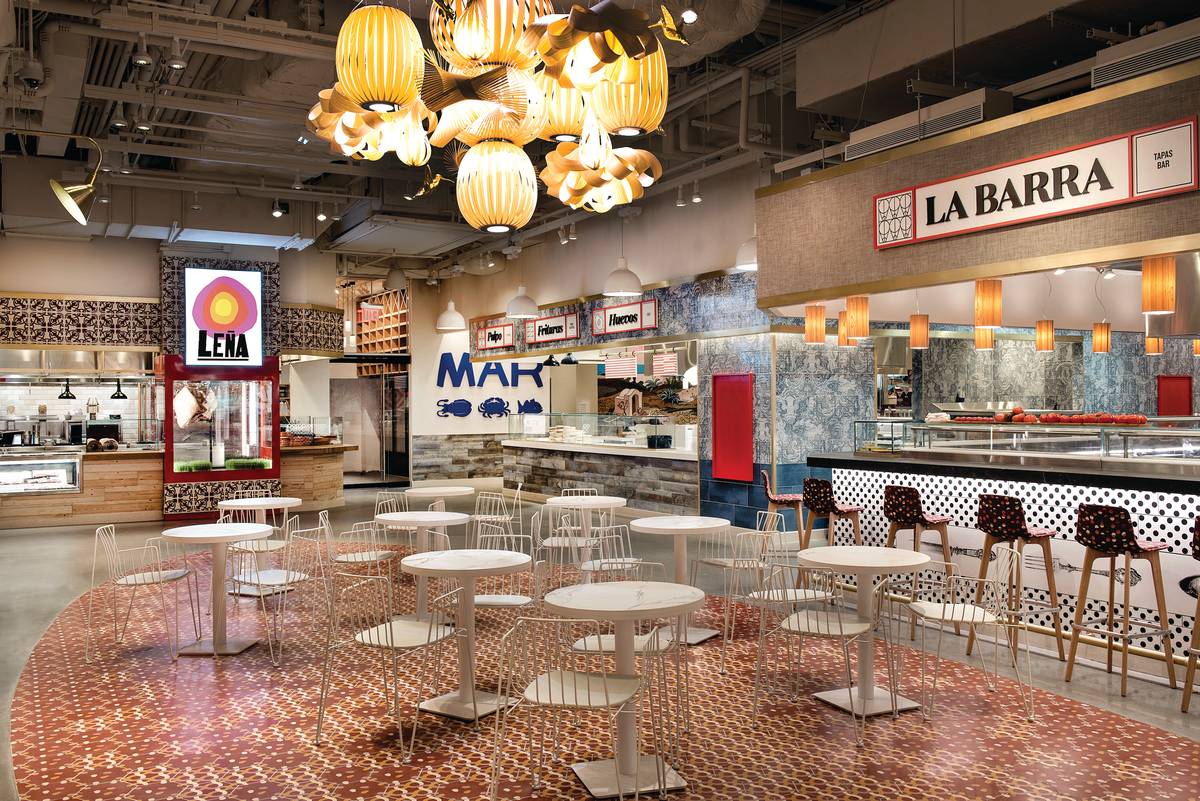
Photo courtesy of VIVES/Tile of Spain
Capella García Arquitectura extensively used ceramic tiles for the flooring, bar fronts, and walls of the Little Spain food court at 10 Hudson Yards in Manhattan.
Key LCCA Studies
Backing up these observations are scientific studies that have computed full life cycle costs for different flooring systems. The Spanish industry was the first to publish a sector-wide LCA with simple tools for brands in the sector to create product-specific EPDs for specifiers’ reference.
One of the most comprehensive recent analyses comes from the Tile Council of North America (TCNA), which evaluated 18 different commercial flooring types over a 75-year study period using a 3% discount rate. The results ranked ceramic tile as demonstrating one of the lowest life-cycle costs among all flooring categories analyzed. This included vinyl composition tile (VCT), Luxury vinyl flooring (LVT/LVP), laminate and rigid core flooring, carpet tile and broadloom carpet, natural stone materials, poured epoxy and terrazzo systems, and wood and engineered wood flooring.
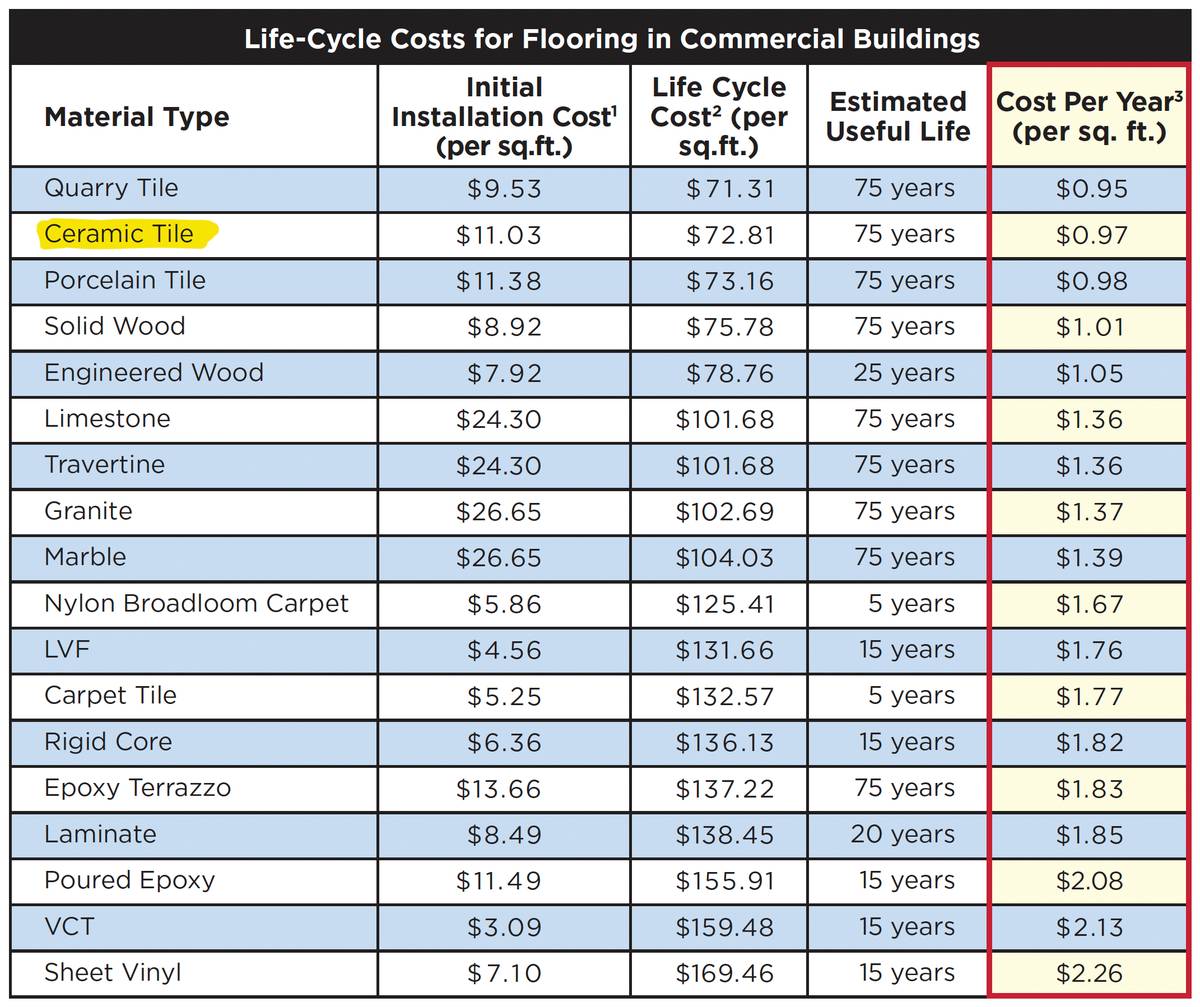
Image courtesy of Tile Council of North America
As compared to 17 other commercial flooring types, ceramic tile was found to offer one of the lowest life-cycle costs over 75 years in a recent, comprehensive Tile Council of North America study.
The findings reinforce a key principle of life-cycle analysis, which is not being deceived by materials with higher upfront costs, as they often yield lower total costs over time due to durability, reduced maintenance, and fewer replacement cycles.
A critical input in any life-cycle cost analysis (LCCA) is the estimated service life of a material, which determines how often replacement is required over the study period. These estimates are typically derived from industry-average environmental product declarations (EPDs), association guidelines, and performance specifications.
The contrast between flooring types can be significant. For example, carpet is often expected to last 8 to 12 years, and frequently less in high-traffic commercial environments. In contrast, ceramic tile installations—when properly specified and installed—can perform for decades, and in some cases, far longer. Because replacement is one of the most cost-intensive phases in the life cycle—triggering demolition, disposal, new material production, and reinstallation—fewer replacement cycles translate directly into lower long-term costs.
Beyond replacement, maintenance plays a substantial role in life-cycle cost outcomes. Flooring systems such as VCT or certain resilient materials often require regular stripping, waxing, and refinishing to maintain appearance and performance. These activities incur ongoing labor costs and require chemical use, equipment, and operational downtime.
By contrast, ceramic tile generally requires only standard cleaning protocols without specialty treatments, significantly reducing long-term maintenance costs. Each flooring replacement introduces not only direct costs, but also indirect impacts, including disruption to building operations, temporary relocation of occupants, loss of revenue in commercial settings, and increased material waste and environmental burden. From both a financial and sustainability standpoint, minimizing these disruptions is a key objective. Durable materials like tile support this goal by extending the interval between replacements.
Despite the clear benefits of life-cycle evaluation, many projects still prioritize initial cost. Industry research highlights this disconnect: while a large majority of facility managers identify total cost of ownership as a key decision driver, only a small percentage actually conduct formal LCCA studies.
Barriers such as limited access to reliable tools, time constraints, and lack of familiarity with the methodology often prevent broader adoption. As a result, flooring decisions are frequently based on upfront costs alone—overlooking long-term expenses associated with maintenance and premature replacement. This dynamic can obscure the inherent advantages of high-performance materials like ceramic tile, whose value becomes most evident over time.
Photo courtesy of Tile of Spain
Beautiful and durable, ceramic tiles offer an excellent total cost of ownership value proposition and long-term value.
Boasting an excellent, long-term track record of durability and longevity, ceramic tile offers one of the best value propositions in the flooring and surface market today. With surviving examples in the Middle East dating all the way back to 4,000 BCE, ceramic tile’s remarkable resilience and long-term value are essentially unrivaled. “When properly specified, installed, and maintained, tile can last for decades and often outperforms many other flooring and wall finish materials,” states Lauren Christenson, interior designer, OHM Advisors, Plymouth, Mich. “This is due to several key characteristics including hardness, scratch resistance, water resistance, color stability, and resistance to wear from heavy foot traffic.”
While some other materials may offer lower first cost, those short-term savings are inevitably eaten up by compromised performance, aesthetics, high maintenance, and the repair and replacement costs that inevitably creep up much sooner than desired. While architects and owners are often tempted to go with low-cost, quick-fix product choices, focusing on just budget is very short-sighted.
Consequently, a strong case can be made for evaluating materials based on life-cycle performance, total cost of ownership, and long-term value. “When evaluating flooring through the lens of total ownership cost, durability, maintenance, occupant health, and environmental impact, ceramic tile consistently remains one of the strongest long-term material solutions available,” asserts Christenson.
In order to tap into these highly worthwhile benefits, architects must change their approach and perception of what surface materials are. This means a shift in perspective in not simply viewing ceramic as a finish material, but in redefining it as a high-performance building skin. This then results in a very different value equation.
The King of Durability and Longevity
What makes ceramic tiles so robust? Made from clay, sand, and readily available minerals, ceramic tile is fired at extremely high temperatures during manufacturing. This sintering process develops these ingredients into a dense, inert material highly resistant to moisture intrusion, staining, chemical exposure, and (at higher densities) freeze-thaw conditions in exterior applications. It does not fade, warp, or deteriorate as other surface materials tend to do when exposed to UV rays, humidity, or changing environmental conditions. This ensures dimensional stability and prevents color fading. Highly versatile, it’s suitable for both interior and outdoor environments. In addition to flooring, it’s used on walls, countertops, backsplashes, wet environments like showers and pools, and facades.
Ceramic tile is available in a wide range of formats, thicknesses, colors, patterns, and finishes, enabling designers to use the material across multiple application types while meeting different aesthetic and functional requirements. This flexibility allows a single product family to address surface covering needs for every type of setting, from high-traffic circulation paths and wellness centers to feature walls, exterior cladding systems, and water-exposed environments. As a result, architects can often achieve greater visual continuity throughout a project while still meeting the performance demands unique to individual spaces.
Photo courtesy of Tile of Spain
Ceramic tile is available in a wide range of formats, thicknesses, colors, patterns, and surface finishes.
Unlike some flooring products that may expand, contract, cup, or distort when exposed to changes in temperature or humidity, properly installed ceramic tile remains stable under a broad range of environmental conditions. This characteristic of dimensional stability is especially valuable in large commercial projects where maintaining alignment, consistent joint widths, and a uniform appearance across extensive floor areas is critical to long-term performance and aesthetics.
“We’ve gone back to projects years later and found that the tile still looks great while other finishes are already showing signs of age,” observes Blima Ehrentreu, founder & CEO of The Designers Group in Brooklyn. Consequently, her team likes specifying tile for healthcare, senior living, and multifamily projects as they stand up well to heavy foot traffic, wheelchairs, cleaning equipment, aggressive cleaning protocols, and constant use.
In many institutional environments, surface selection is as much a risk-management decision as it is a design choice. Materials must be capable of maintaining performance under conditions that may include rolling loads, frequent movement of equipment, occupancy fluctuations, and evolving space utilization. Ceramic tile’s ability to accommodate these demands without significant degradation can help reduce disruptions associated with repairs, replacement projects, and facility downtime. This can be particularly important in healthcare, educational, transportation, and civic facilities that operate continuously or have limited opportunities for renovation.
Ceramic’s dense structure and low porosity make it resistant to things like coffee, grease, and food, as the liquids remain on the surface and don’t penetrate the tile.
This low porosity contributes significantly to the material’s suitability for demanding environments. Acids, oils, and many common contaminants remain on the surface rather than being absorbed into the body of the tile, making routine cleaning both effective and predictable. In kitchens, restrooms, healthcare facilities, educational buildings, and other spaces exposed to moisture or spills, ceramic tile maintains its appearance with standard maintenance procedures rather than specialized restoration treatments.
“Ceramic tile performs exceptionally well because it withstands intensive occupancy, evolving programmatic demands, and the continual cycles of maintenance that define public buildings. Its durability supports a longer architectural lifespan, reducing material turnover, and helping institutions direct resources toward people rather than replacement,” says Juliet Hernandez-Eli, R.A., founder and principal of Hernandez-Eli Architecture, New York City. “In that sense, permanence becomes both an environmental and social value.”
This ability to accommodate change is becoming increasingly important as owners seek buildings capable of serving multiple generations of occupants and uses. Educational facilities may be reconfigured to accommodate new learning models, healthcare facilities routinely update equipment and treatment spaces, and commercial properties often undergo tenant improvements throughout their lifespan. Durable finish materials can support these transitions by continuing to perform without requiring wholesale replacement whenever operational needs shift.
The material is also noncombustible and heat-resistant, which means it won’t burn or contribute fuel to a fire. Further, it is resistant to mold, mildew, bacteria, and allergens.
Performance in demanding environments is further enhanced by ceramic tile’s resistance to abrasion and surface wear. Because the material is fired at extremely high temperatures, it develops a hard structure capable of withstanding years of foot traffic with minimal visible deterioration. Abrasion and wear ratings (PEI scale and Deep Abrasion Resistance ratings) help specifiers determine a tile’s suitability for residential, commercial, healthcare, educational, and institutional applications, ensuring that products are appropriately matched to anticipated use conditions.
Photos courtesy of Tile of Spain
At the Egio dental clinic in Elche, Spain, sage-colored, vertical ceramic tiles welcome patients. An indoor garden leading to the reception area features tiles with a natural stone texture. Inside, a curving, ceramic-tiled wall leads to the clinics.
Total Cost of Ownership
Increasing percentages of architecture and design firms are evaluating building materials through the lens of sustainability and long-term performance. This is slowly, but surely, shifting the focus away from short-term, first cost savings toward long-term durability and value. For some, longevity trumps all. “The most sustainable material isn’t necessarily the one with the lowest upfront environmental impact. It’s often the one that performs well enough that you don’t have to replace it every few years,” states Ehrentreu. “A well-installed ceramic tile floor can last decades. Compare that to materials that may need replacement every 10 to 15 years, and the conversation changes. Every replacement means new materials, labor, transportation, waste, and disruption to the building.”
“Even though the ceramic firing process has an energy cost, the long service life, low maintenance, and potential for reuse or down cycling as aggregate at end of life mean ceramic tile can perform very well when we look at total cost of ownership and environmental impact over the life of a building,” agrees Margine Biswas, AIA, NCARB, LEED AP, Archiphy Architecture and Interiors, Dallas.
Hernandez-Eli takes a similar life-cycle approach to evaluating materials, favoring products that endure - reducing waste, replacement cycles, and operational disruption. Using the public school sector as an example, she sees properly vetted, long-lasting building materials as supporting social equity. “For schools and civic institutions operating within constrained public budgets, that durability also becomes an equity issue,” she explains. “Resilient materials help preserve funding for education, accessibility, and community investment rather than continual renovation.”
Beyond material replacement costs, facility owners are increasingly examining the indirect costs associated with cladding selection. These include occupant disruption, temporary relocations, lost productivity during renovations, and the administrative burden associated with managing repair and replacement projects. While these factors are not always captured in initial budgeting exercises, they can represent significant long-term operational expenses. Materials that minimize intervention and maintain acceptable performance over extended periods can help reduce these hidden costs.
Ceramic tile can also provide long-term value by supporting adaptability. Because the material often remains serviceable long after installation, owners are afforded greater flexibility when updating furniture, equipment, interior layouts, or building functions. Rather than replacing finishes each time a space is reconfigured, existing tile installations can frequently continue performing as intended, extending the usefulness of the original investment and reducing demands on future renovation budgets.
The low-maintenance requirements of ceramic tiles are another large contributor to the total cost of ownership equation. Whereas many floor products require stripping, waxing, refinishing, or specialty coatings to maintain their appearance, ceramics only need routine cleaning with standard maintenance procedures.
When viewed over the long term, the ongoing operational costs of labor and maintenance chemicals significantly add up over time. For high-traffic environments like schools, healthcare facilities, municipal buildings, hospitality spaces, and retail environments, this accrues to a substantial sum.
Photo courtesy of VIVES/Tile of Spain
Capella García Arquitectura extensively used ceramic tiles for the flooring, bar fronts, and walls of the Little Spain food court at 10 Hudson Yards in Manhattan.
Key LCCA Studies
Backing up these observations are scientific studies that have computed full life cycle costs for different flooring systems. The Spanish industry was the first to publish a sector-wide LCA with simple tools for brands in the sector to create product-specific EPDs for specifiers’ reference.
One of the most comprehensive recent analyses comes from the Tile Council of North America (TCNA), which evaluated 18 different commercial flooring types over a 75-year study period using a 3% discount rate. The results ranked ceramic tile as demonstrating one of the lowest life-cycle costs among all flooring categories analyzed. This included vinyl composition tile (VCT), Luxury vinyl flooring (LVT/LVP), laminate and rigid core flooring, carpet tile and broadloom carpet, natural stone materials, poured epoxy and terrazzo systems, and wood and engineered wood flooring.
Image courtesy of Tile Council of North America
As compared to 17 other commercial flooring types, ceramic tile was found to offer one of the lowest life-cycle costs over 75 years in a recent, comprehensive Tile Council of North America study.
The findings reinforce a key principle of life-cycle analysis, which is not being deceived by materials with higher upfront costs, as they often yield lower total costs over time due to durability, reduced maintenance, and fewer replacement cycles.
A critical input in any life-cycle cost analysis (LCCA) is the estimated service life of a material, which determines how often replacement is required over the study period. These estimates are typically derived from industry-average environmental product declarations (EPDs), association guidelines, and performance specifications.
The contrast between flooring types can be significant. For example, carpet is often expected to last 8 to 12 years, and frequently less in high-traffic commercial environments. In contrast, ceramic tile installations—when properly specified and installed—can perform for decades, and in some cases, far longer. Because replacement is one of the most cost-intensive phases in the life cycle—triggering demolition, disposal, new material production, and reinstallation—fewer replacement cycles translate directly into lower long-term costs.
Beyond replacement, maintenance plays a substantial role in life-cycle cost outcomes. Flooring systems such as VCT or certain resilient materials often require regular stripping, waxing, and refinishing to maintain appearance and performance. These activities incur ongoing labor costs and require chemical use, equipment, and operational downtime.
By contrast, ceramic tile generally requires only standard cleaning protocols without specialty treatments, significantly reducing long-term maintenance costs. Each flooring replacement introduces not only direct costs, but also indirect impacts, including disruption to building operations, temporary relocation of occupants, loss of revenue in commercial settings, and increased material waste and environmental burden. From both a financial and sustainability standpoint, minimizing these disruptions is a key objective. Durable materials like tile support this goal by extending the interval between replacements.
Despite the clear benefits of life-cycle evaluation, many projects still prioritize initial cost. Industry research highlights this disconnect: while a large majority of facility managers identify total cost of ownership as a key decision driver, only a small percentage actually conduct formal LCCA studies.
Barriers such as limited access to reliable tools, time constraints, and lack of familiarity with the methodology often prevent broader adoption. As a result, flooring decisions are frequently based on upfront costs alone—overlooking long-term expenses associated with maintenance and premature replacement. This dynamic can obscure the inherent advantages of high-performance materials like ceramic tile, whose value becomes most evident over time.
Durability as a Measure of Sustainability
From a sustainability perspective, LCCA reinforces an essential concept: the most sustainable flooring is often the one that lasts the longest. Every avoided replacement cycle eliminates the need for new material extraction, manufacturing, transportation, and installation—along with the associated environmental impacts. Durable flooring systems reduce waste generation and resource consumption while maintaining consistent performance over time. “Materials that age gracefully and remain intact over time make inhabitants feel cared for and valued. Durable and well-maintained materials contribute to a broader sense of comfort, belonging, collective well-being, and communicate how we value the people who use them,” states Hernandez-Eli.
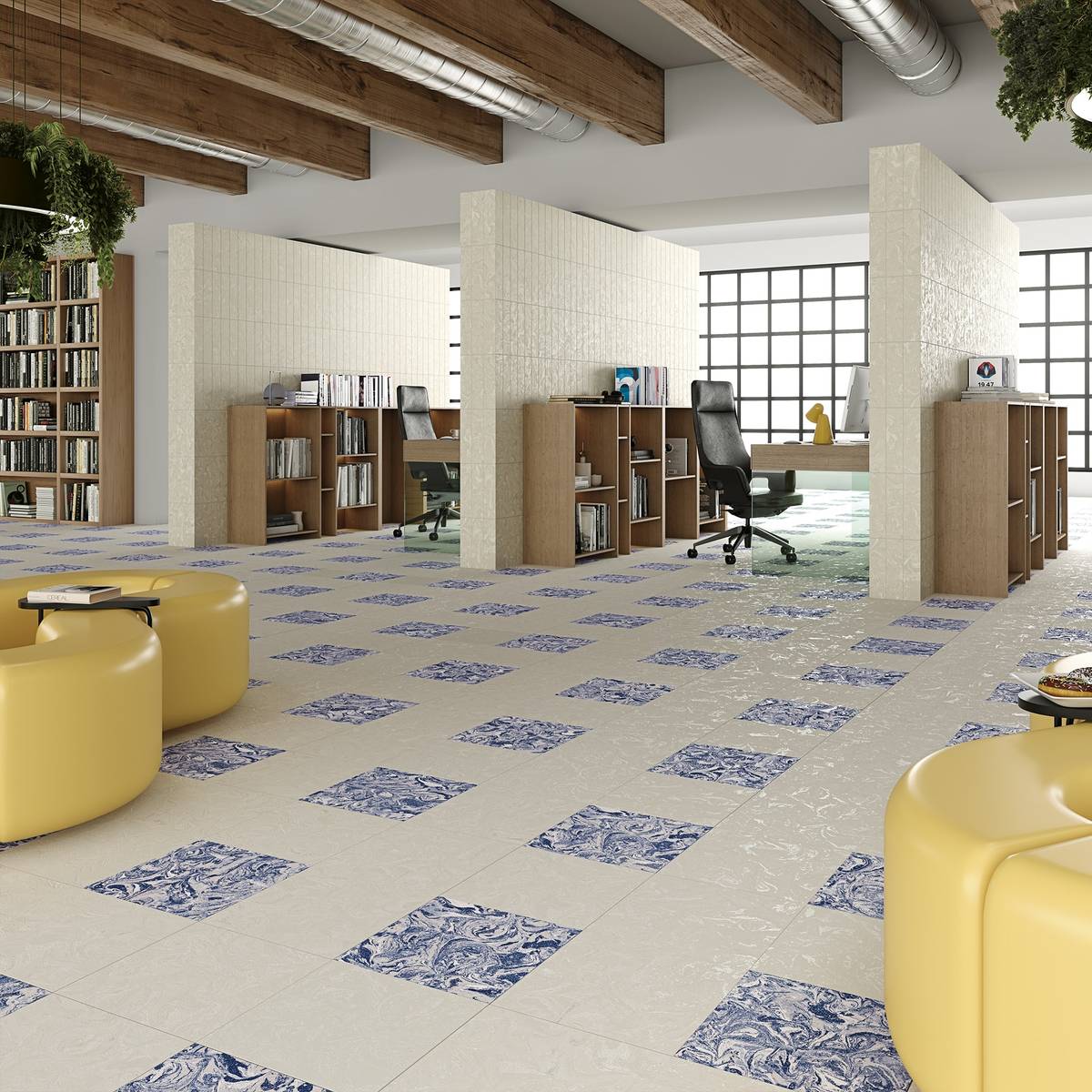
Photo courtesy of Tile of Spain
Durable and long-lasting, ceramic tile lends a sense of comfort to this commercial setting.
In this context, ceramic tile’s longevity, low maintenance requirements, and resistance to wear position it as both an economically and environmentally advantageous material choice. As previously noted, the material’s rigidity makes it highly resistant to abrasion and surface wear.
As stated, the material’s composition prevents the growth of bacteria, mold, and mildew, and does not trap dust, allergens, or other contaminants. This, together with the fact that the tile and grout do not contain VOCs, PVC, formaldehyde, or other harmful chemicals, significantly contributes to the IAQ and health and wellness of interiors. “Wellness in design fundamentally derives from environments crafted for health, accessibility, and dignity for all users, and ceramic tile contributes to these goals in a myriad of ways,” adds Hernandez-Eli.
With sustainability as a priority, ceramic tile companies are busy improving their manufacturing processes to reduce embodied carbon, material, and energy use. Some examples include the incorporation of waste heat recovery, high-efficiency furnaces, and cogeneration systems.
“It is comforting to know that manufacturers are improving upon water recycling, kiln efficiency, waste recovery, and transportation methods. And some are also starting to include recycled content in their products to further support sustainability initiatives,” reports Haruka Enokido, designer, Spacesmith, New York City.
Also of note, EPDs for ceramic tiles, mortars, and grouts have very low 75-year environmental impacts per installed square meter. In fact, in comparing an EPD for ceramic tile to the generic EPDs for other types of flooring, developed under the same product category rules and using the same building service life, ceramic tile has the lowest overall environmental impact across all impact categories.
Some additional ways in which ceramic tile is boosting sustainability in buildings include lowered energy needs and reducing the heat island effect. Thanks to the material’s high level of thermal mass, this reduces heating and cooling requirements. When applied as a ventilated facade, energy consumption can be reduced to up to 30% due to the natural chimney effect it creates between the structure and the cladding, where hot air is evacuated in summer, and insulation works more effectively in winter.
When light-colored tiles are used on the exterior, this lowers the heat absorption in the surrounding area. As an example, vinyl tile’s 75-year GWP and fossil fuel resource depletion are two and three times higher, respectively, than ceramic tile’s GWP, and rigid core board’s 75-year GWP and fossil fuel resource depletion are three and five times higher.
Another measure of ceramic tile’s excellent sustainability record is the Green Squared certification program. The cradle-to-grave performance standard certifies that a product has met the American National Standard Specifications for Sustainable Ceramic Tiles, Glass Tiles, and Tile Installation Materials (ANSI A138.1).
Safety and Slip Resistance
While several variables play into the level of slip resistance a ceramic flooring system provides, slip-resistant surfaces are widely available.
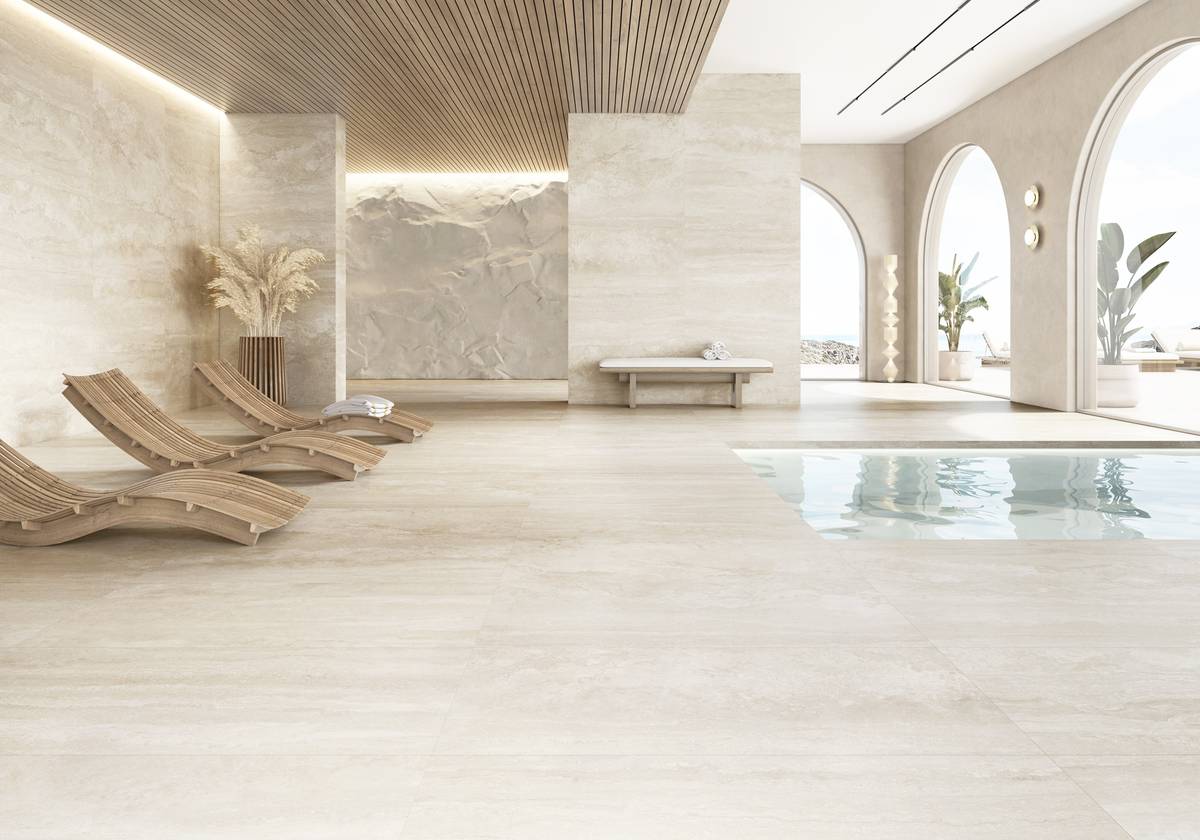
Photo courtesy of Tile of Spain
Slip-resistant flooring is particularly important in restrooms and pool decks.
The Dynamic Coefficient of Friction (DCoF) is the metric used to evaluate the slip resistance of tile surfaces under wet conditions, as outlined in ANSI A326.3 standards. A typical approach involves matching the DCoF with programmatic needs. For example, Christenson advises a DCoF value of 0.42 or greater for level interior walking surfaces expected to be exposed to moisture.
Product use classification ratings are a helpful way for architects and designers to evaluate the slip resistance properties of a ceramic tile product. In addition to ANSI A326.3’s dynamic coefficient of friction test, the Tile Council of America’s testing laboratory runs the “German Ramp” test standardized in DIN 51130 and the “British Pendulum” tests standardized in British Standard 7976. Manufacturers will then take this testing data and, together with their internal quality control criteria, manufacturing parameters, and experience with similar surfaces, determine the ceramic tile’s product use classification rating. “We specify smoother finishes for dry interiors, more structured or matte surfaces for wet zones, and specialized high-traction options where safety is important,” reports Biswas.
Unpacking some of the variables that contribute to slip resistance, these include tile texture, size, and grout joints. Tile textures contributing to anti-slip performance include matte, unglazed, embossed, and engineered surfaces.
While unglazed tiles can be a good choice for applications like pools, showers, bathrooms, and decks, there are some drawbacks that should be considered. The semi-porous, unglazed tiles can absorb dirt and stains, and are harder to clean. The rougher texture feels different underfoot, and with high-traffic areas, the tiles can show wear over time.
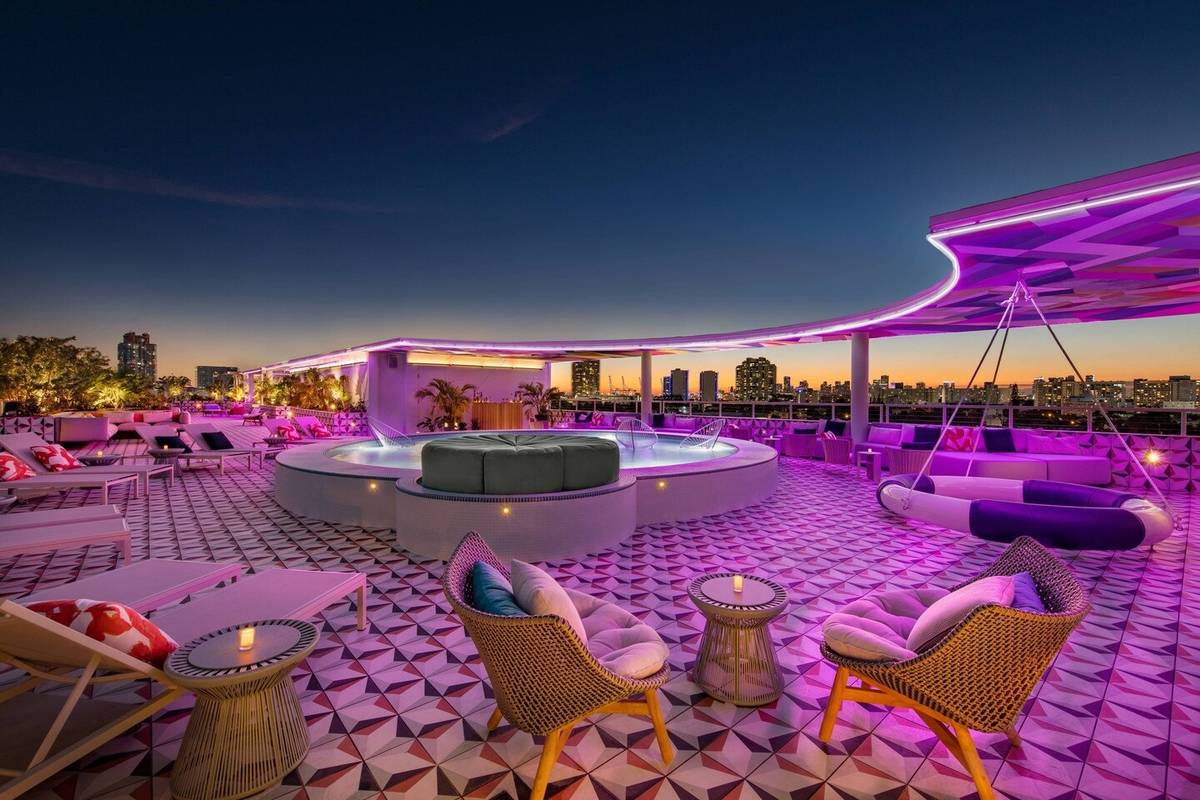
Photo courtesy of Cevica/Tile of Spain
Korp Architecture selected Art Deco-styled ceramics for the interior and outdoor spaces of the Moxy South Beach Hotel in Miami.
As an alternative, the textured or matte glazed tiles are a good solution. Advances in manufacturing have produced glazed tiles that incorporate fine surface textures that increase friction while still retaining a relatively nonporous, easy-to-clean surface. For example, more pronounced surface profiling like subtle ridges or relief patterns increases grip. These options can provide a good compromise between safety and maintenance.
Slip resistance can also be improved through surface treatments applied after installation. Chemical treatments or coatings can modify the tile surface to increase friction, though they may require periodic reapplication. In some cases, anti-slip additives can be incorporated into sealers or coatings. These additives introduce a fine texture to the surface, improving traction.
Because the grout joints also add slip resistance, smaller tiles with more grout joints are another approach. “This is why mosaic or smaller-format tiles are commonly used in showers, pool areas, and other wet environments,” relates Enokido.
Moisture Management
Another critical strategy for mitigating slips is reducing how wet a surface becomes—in other words, effective moisture management. While ceramic tile itself is water-resistant, the vulnerability lies in the assembly and substrate. Waterproofing must occur behind the tile, making proper membranes, moisture testing, drainage slopes, and installation detailing essential to long-term performance. Furthermore, accommodations for expansion and movement must be incorporated to prevent moisture-related stresses, while building design should allow for proper drying and ventilation to avoid trapped moisture. “The best moisture management strategy is addressing it early in the design process rather than trying to solve problems after occupancy,” advises Ehrentreu.
A foundational requirement is full adhesion behind the tile. “Hollow voids within the bonding material can create structural weak points that may eventually lead to cracking, moisture intrusion, or system failure. Proper detailing and disciplined installation practices are therefore fundamental not only to performance, but to the longevity of the material itself,” explains Carolina Casterella, senior lead designer, CetraRuddy New York.
Although ceramic tile can be engineered for very low water absorption, it is not a waterproof system. As Enokido notes, grout joints remain a pathway for moisture over time, particularly if improperly installed. This reinforces the importance of a continuous waterproofing membrane beneath the tile assembly to capture and redirect any moisture that penetrates the finish surface.
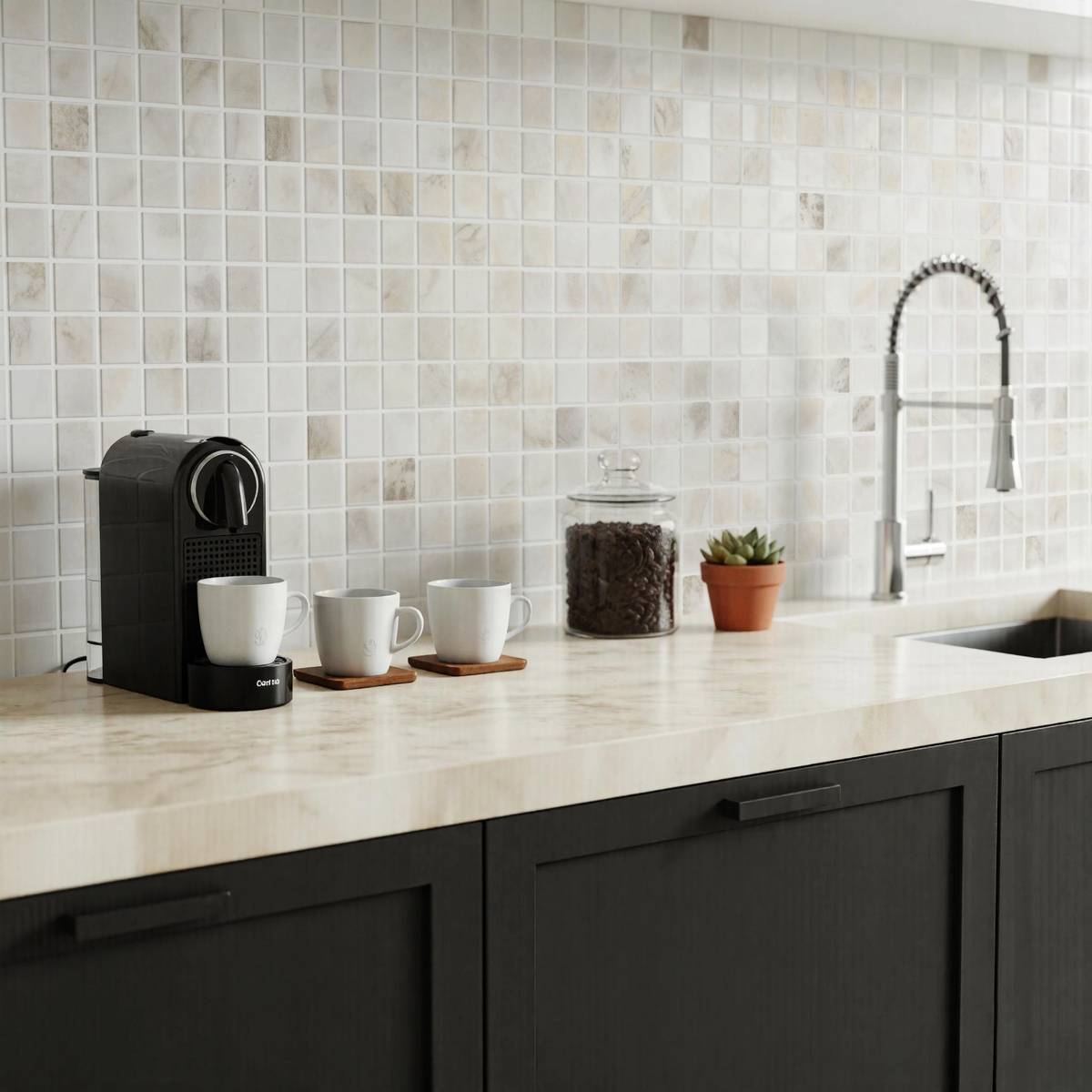
Photo courtesy of Tile of Spain
Proper ceramic tile installation is essential to moisture management.
Best practices begin with selecting the appropriate installation system for the specific application. Wet environments—such as showers, locker rooms, commercial kitchens, pools, and exterior areas—require properly detailed waterproofing strategies and compatible materials. Waterproofing membranes, vapor management systems, crack isolation membranes, and properly specified setting materials all play important roles in protecting the assembly.
Proper drainage is equally critical. Enokido recommends sloping floors toward drains to prevent standing water, along with sealing all penetrations and transitions.
Alison Wilkinson, AIA, NCARB, LEED AP BD+C, owner of Wilk Design Workshop in Seattle, typically designs a slope of ¼ inch per foot to effectively direct water to the drain. She notes that her team is moving away from linear drains due to maintenance concerns. “Clients prefer a simple square or round drain, and manufacturers have recently innovated in grill patterns to fit different design aesthetics,” she says. Christenson adds that carefully detailed movement joints and transitions between materials are essential for preventing water intrusion and long-term deterioration.
Additional Best Practices
Beyond drainage, Wilkinson highlights three additional considerations: waterproofing, vapor management, and drying potential.
- Waterproofing: Specify a dedicated waterproofing membrane—either liquid- or sheet-applied—to protect the substrate or backer board. Particular attention must be paid to penetrations for plumbing fixtures and drains.
- Vapor management: When tile is installed over a concrete slab on grade, a vapor barrier is critical to prevent moisture migration from below. Without it, moisture can slowly lead to debonding, cracking, and system failure.
- Drying potential: Assemblies must be able to dry. If moisture enters the system, it must have a path to evaporate. Avoid trapping moisture by placing a second vapor barrier on the drying side. In exterior applications, incorporate a drainage plane or ventilated cavity. Coordination with mechanical engineers is also essential to ensure adequate ventilation in high-humidity environments such as locker rooms and pool areas.
Material selection is also important. Christenson notes that in wet environments, cementitious backer boards and approved waterproof substrates are preferred due to their dimensional stability and resistance to moisture damage. Cement backer board is commonly favored in interior applications because it is stable, resists warping, and does not support mold growth like wood-based products can. “Advances in grout technology, including high-performance cementitious grouts and epoxy grouts, have significantly improved stain resistance, moisture resistance, and durability,” Christenson explains. “Selecting grout systems compatible with the tile type and environmental conditions helps ensure long-term performance.”
Photos courtesy of Tile of Spain
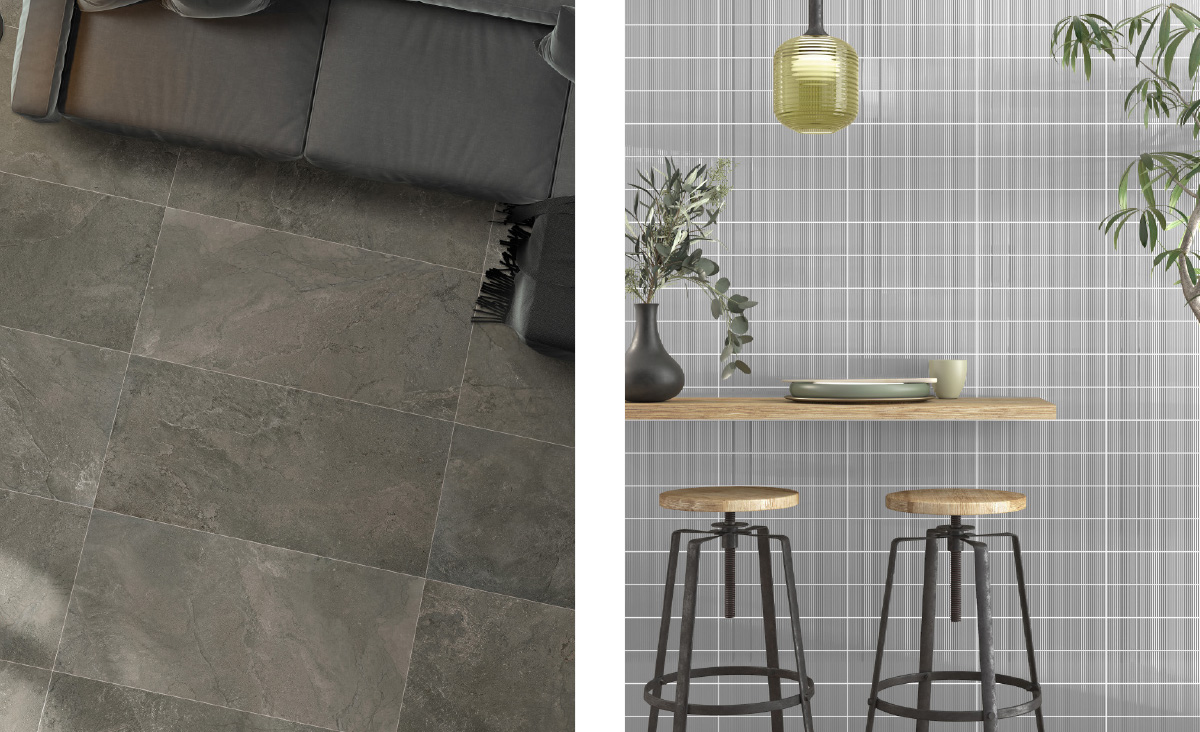
Grout selection and installation are important aspects of performance and moisture management.
Biswas further emphasizes that dense or epoxy grouts, combined with regular inspection and renewal of sealant joints, help keep water at the surface where it can be managed while allowing assemblies to dry between wetting events.
Finally, successful moisture management depends on coordination, standards, and documentation. TCNA provides industry-recognized guidelines and installation details that help inform best practices. Partnering with experienced installers and engaging manufacturer technical representatives during both design and construction can significantly improve installation quality and reduce the risk of moisture-related failures.
Casterella emphasizes that moisture management strategies must always align with the specific tile assembly and intended application. Manufacturer guidelines should be carefully reviewed and fully integrated into the specification process—particularly for complex geometries or custom installations. In this context, the specification book becomes a critical coordination tool, aligning installers, substrates, waterproofing systems, and bonding methods to ensure long-term performance.
Another important aspect of moisture management is accommodating movement within the tile assembly. Buildings naturally expand, contract, and deflect in response to temperature fluctuations, moisture changes, structural loading, and normal settling over time. If these movements are not properly addressed, stress can accumulate within the tile assembly, leading to cracked grout joints, tile damage, loss of bond, or pathways for moisture intrusion. Consequently, movement joints should be integrated in accordance with industry standards and coordinated with building expansion joints, control joints, and changes in substrate conditions. These joints are not merely aesthetic considerations—they are critical performance components that contribute to the long-term durability of the entire assembly.
Transitions between different materials and building elements also deserve careful attention. Door thresholds, floor-to-wall intersections, penetrations, and changes in plane are often among the most vulnerable locations for water intrusion. Proper detailing at these locations helps maintain the integrity of waterproofing systems while accommodating movement between adjacent materials. Sealants, transition profiles, and compatible waterproofing accessories should be selected as part of a coordinated system rather than as isolated components.
Successful moisture management depends upon sequencing and quality control during construction. Even the most carefully designed tile assembly can be compromised if waterproofing membranes are damaged by subsequent trades, installed over inadequately prepared substrates, or covered before proper inspection. Pre-installation coordination meetings, substrate moisture testing, flood testing where appropriate, and thorough inspection of waterproofing details can help identify issues before they become costly failures. In complex projects, mockups are frequently used to verify detailing, installation methods, and compatibility between system components.
Finally, moisture management should be viewed as a building-wide responsibility rather than simply a tile concern. Roofing systems, exterior wall assemblies, plumbing design, mechanical ventilation, and interior environmental controls all influence the amount of moisture that reaches a tile installation. Effective coordination among architects, consultants, contractors, and manufacturers helps ensure that each layer of protection works together as part of a comprehensive moisture-control strategy.
Tile Installation
Segueing to installation, the ceramic tile system’s performance is dependent on a holistic approach. “When ceramic tile is detailed thoughtfully and installed with precision, it can maintain both its visual and physical integrity for decades,” assures Casterella.
Christenson emphasizes the importance of viewing tile as a complete system including the substrate, underlayment, waterproofing or crack isolation membranes, setting materials, grout, and movement joints. “When one component of the system is improperly designed or installed, the performance and longevity of the installation can be compromised,” she warns.
Backing up a step, Enokido explains that the specification process involves selecting a tile that is appropriate for the intended application and use. Important factors include tile size in relation to substrate stability, impact resistance for floor vs wall applications, moisture resistance for wet environments, slip resistance for showers and pools, and UV and freeze-thaw resistance for outdoor use.
Key areas of installation to focus on include substrate conditions, mortar type, and grout. Accordingly, she recommends the following:
- The substrate must be flat and structurally sound, especially for large format tiles, to prevent cracked, loose tiles.
- Mortar and adhesive selection will depend on the substrate type, application, and tile size. Manufacturers’ specifications should always be consulted to ensure compatibility with the substrate, tile dimensions, and anticipated movement caused by temperature or moisture-related expansion and contraction.
- Proper grout installation is key to stabilizing tile edges and resisting moisture intrusion. While smaller grout thickness may increase cleanability and create a more seamless appearance, it limits the flexibility for the wall to expand and contract with temperature shifts. Narrow grout lines can also limit tolerances for tiles that may have a higher variation in tile size. To minimize the risk of installation issues, designers should follow manufacturer recommendations for grout joint widths, mortar selection, and installation methods.
“Qualified installers know that full mortar coverage, the right setting materials, correct grout selection, and carefully executed details at perimeters and changes in plane all help protect edges from impact, manage stresses, and keep the system performing over the long term,” adds Biswas.
Yet another key to proper installation is working with a stable, flat surface. Any excessive movement or deflection can cause cracks in the tile, grout failure, and moisture changes to its substrates.
The most common way to install ceramic tiles is what’s called the thin-bed technique using cementitious, dispersion adhesives, or reaction resin adhesives. It is important to select an adhesive that is compatible with the destination, substrate, format, and water absorption capacity of the tile.
Once the adhesive is installed, it’s important to keep the tiles within the manufacturer’s recommended window of time, as waiting too long will lead to the formation of dry film that can impair adhesion. The width of the joint between the tiles is determined based on the format and the anticipated use and stress on the floor. In all cases, the width must be at least 3 mm.
After waiting at least 24 hours after laying the ceramic tiles, grouting is performed. Then, to remove excess cement, joint sealing materials, and other residue, the tiles are soaked with water before slightly acidic descaling detergents are applied for cleaning.
It’s important not to perform acid cleaning on freshly laid tile because the acid reacts with the uncured cement and can deteriorate the joints or deposit insoluble compounds on the tile surface.
Aesthetic Value
In addition to its long-lasting performance and life cycle value, ceramic tiles have a great deal to offer in the realm of aesthetics. With an extensive array of colors, textures, finishes, sizes, and patterns, designers have creative freedom to customize systems through different combinations of tile formats, surface textures, layouts, and grout colors. The tiles can also be designed to replicate stone, wood, concrete, terrazzo, or metal.
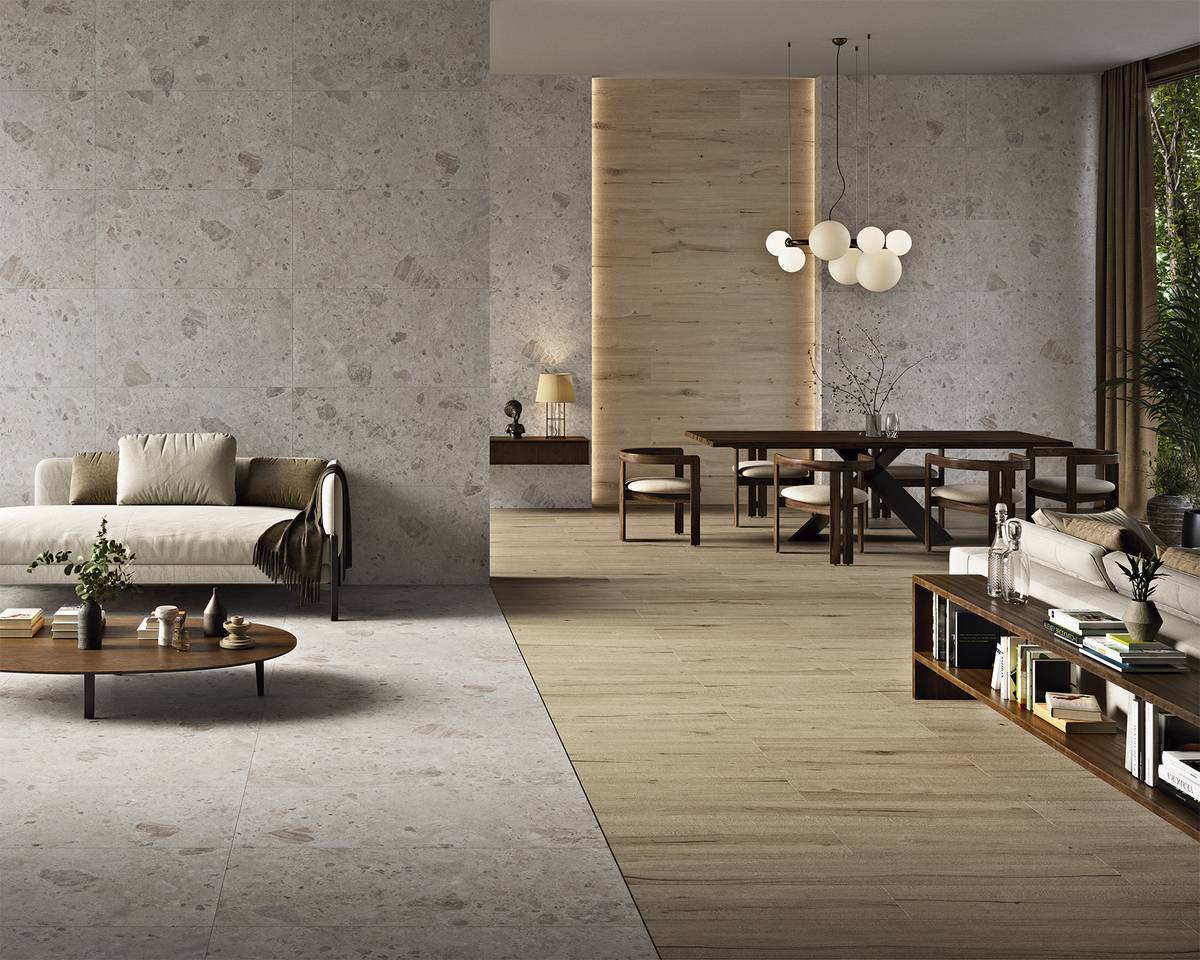
Photo courtesy of Tile of Spain
Advanced digital printing technologies are producing life-like replications of materials like wood, terrazzo, and stone on ceramic.
“Dimensional and textured tiles introduce shadow, movement, and tactile qualities that enhance the user experience,” notes Christenson. “Personally, I love working with tile because it allows designers to balance utility with artistry. It can be that special detail that elevates a project and creates a memorable experience for users.”
She adds that designers are actively using the tiles for a variety of creative purposes, like reinforcing branding, establishing visual identity, introducing warmth and texture, and creating memorable feature moments in the form of statement walls, reception areas, fireplaces, stair installations, or custom mosaics.
“Personally, I love working with tile because it allows designers to balance utility with artistry,” she says. “It can be that special detail that elevates a project and creates a memorable experience for users.”
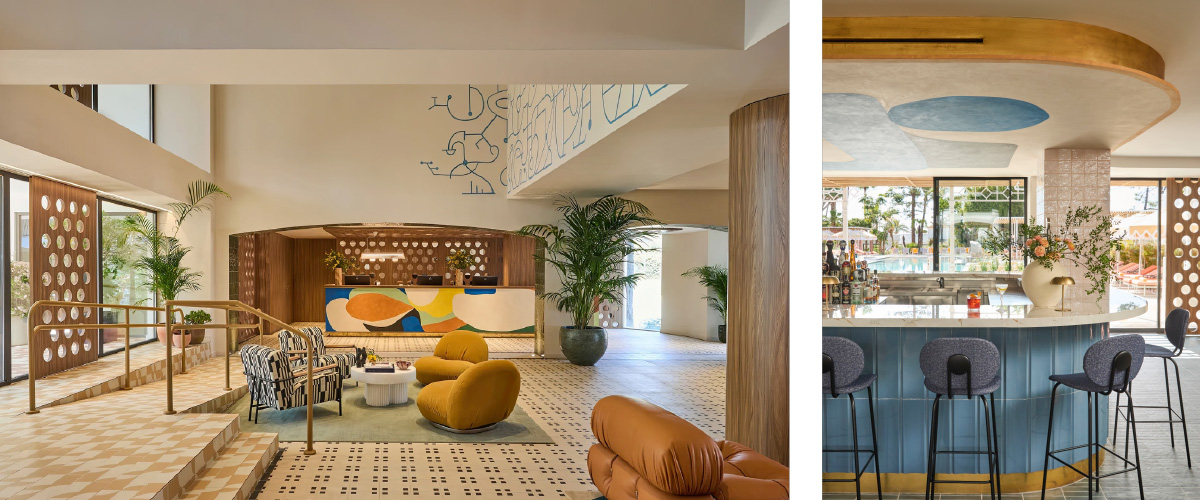
“Whether we’re designing a historic boutique hotel lobby or a modern beach house, there are thousands of tile options to select from that can contribute to the design narrative,” agrees Wilkinson. “Particularly in a commercial or hospitality environment, the use of ceramic tiles can transport a visitor immediately into a different state by referencing different cultures with pattern, color, and texture.”
Photos courtesy of Tile of Spain
Blending with design firm El Equipo Creativo’s 1970s design aesthetic for the Kimpton Los Monteros Hotel in Marbella, Spain, the designers selected bold, geometric patterns for the lobby and blue and peach tiles for the flooring, bar front, and pillar of the Azul Bar.
Hernandez-Eli emphasizes ceramic tile’s ability to contribute to and support civic applications. “In educational environments, materials shape how institutions communicate care, permanence, and collective identity. Tile can create surfaces that feel grounded, luminous, and enduring while accommodating a wide range of spatial expressions—from quiet durability to moments of color, texture, and public gathering,” she states.
In sorting through the different options, Casterella favors through-body in color for high-traffic areas, which are more prone to chipping and wear. For hospitality and public spaces, she likes to go with small-format glazed tiles which offer an effective, economic way to introduce visual richness into these spaces. When the goal is creating a space with a sense of age and permanence, she considers unglazed ceramic as a more tactile and grounded material expression.
Nelson Vega, Assoc. AIA, associate principal at RKTB Architects in New York City, points out that the ability to manufacture tiles on different scales, from small mosaics to subway tiles to large-format panels, lends great versatility in applications beyond flooring, for example, feature walls, murals, kitchen backsplashes, accents, and art installations.
Innovations in Design
Technological innovations in ceramic manufacturing have also increased design possibilities, aesthetics, and durability. “The options available today are far more sophisticated than they were even a few years ago,” observes Ehrentreu.
Digital printing on tile realistically replicates natural materials like stone, wood, concrete, and textiles. Micro-texturing further elevates these replications to not only look like other materials but feel like them as well.
This introduces more flexibility to create warm, inviting environments while still meeting the performance requirements of commercial spaces. Consequently, spaces can benefit from the advantages of wood interiors, for example, without the associated maintenance challenges.
Another noted trend is large-format tiles exceeding 15 inches in one dimension or more. This enables designers to create more seamless, modern installations with few grout joints and easier maintenance.
“At the same time, manufacturers are producing coordinated collections in a variety of sizes and shapes, allowing designers to mix formats, patterns, and scales within a single application,” observes Christenson. “This flexibility enables creative, customized designs that bring a modern aesthetic to a timeless material while maintaining the performance benefits ceramic tile is known for.”
In addition, advancements in kiln technology with more precise temperature control are boosting tile strength, durability, dimensional stability, quality, and color consistency. “These technologies offer the promise of greater aesthetic impact, especially critical in an era where building environments are expected to do more, and exert more meaning with fewer resources, lower environmental impacts, and longer service life,” states Hernandez-Eli.
In Summary
Ceramic tile’s enduring appeal extends far beyond its visual qualities. As previously stated, it delivers a unique combination of durability, safety, moisture resistance, design versatility, and long-term performance that makes it well suited for a wide range of applications. When properly specified and installed, ceramic tile can contribute to healthier, more resilient, and more efficient built environments.
Equally important, successful tile assemblies require a system-based approach that considers substrate preparation, waterproofing, movement accommodation, slip resistance, and ongoing building performance. By evaluating ceramic tile as part of an integrated building system rather than simply a finish material, architects can make more informed design decisions that support occupant well-being and long-term operational success.
Viewed through the lens of life-cycle thinking, ceramic tile consistently demonstrates value beyond initial installation costs. Its longevity, low maintenance requirements, and ability to withstand decades of use make it a durable investment that continues to deliver performance, functionality, and architectural value throughout the life of a building.
Barbara Horwitz-Bennett is a veteran architectural journalist who has written hundreds of CEUs and articles for various AEC publications. She also assists design firms, contractors, building product manufacturers, and industry associations with their content writing needs. She can be reached at: www.linkedin.com/in/barbarahbennett.