Rebooting the Aging Office Building
Prioritizing access to natural light and the outside environment can be the key
Sponsored by The Ornamental Metal Institute of New York | Presented by Vicki Arbitrio, Enrica Oliva, Dan Shannon, AIA, Areta Pawlynsky, AIA, and Clifford Pearson
Webinar On-Demand
Investing in technology and infrastructure alone is not enough to coax back the contemporary hybrid workforce to aging class B and C office buildings. What this group wants is a healthy work environment with ample access to natural light and outside air, features uncharacteristic of older buildings. These buildings were typically designed with a focus on historical architectural aesthetics, where repetitive, small windows formed the building’s facade. The result is that the older office building finds itself structurally unsuited for the demands of the contemporary workforce.
This webinar features the jury of Metals in Construction magazine’s 2026 Design Challenge as they review the results of this ideas competition, which sought to generate façade modification concepts that could help reboot aging office buildings.

Image courtesy of Ornamental Metal Institute of New York
 |
Vicki Arbitrio is an Associate Partner at Gilsanz Murray Steficek. In her over 40-year career as a structural engineer she has worked on a wide range of projects, both new construction and renovation, as well as specialty projects such as art installations and forensic reports. She serves on the Board of Directors for the National Council of Structural Engineers Associations Foundation. She is a Past-President of the Applied Technology Council, and a Past-President of NCSEA. Vicki teaches at the Yale School of Architecture, and at the Syracuse School of Architecture. |
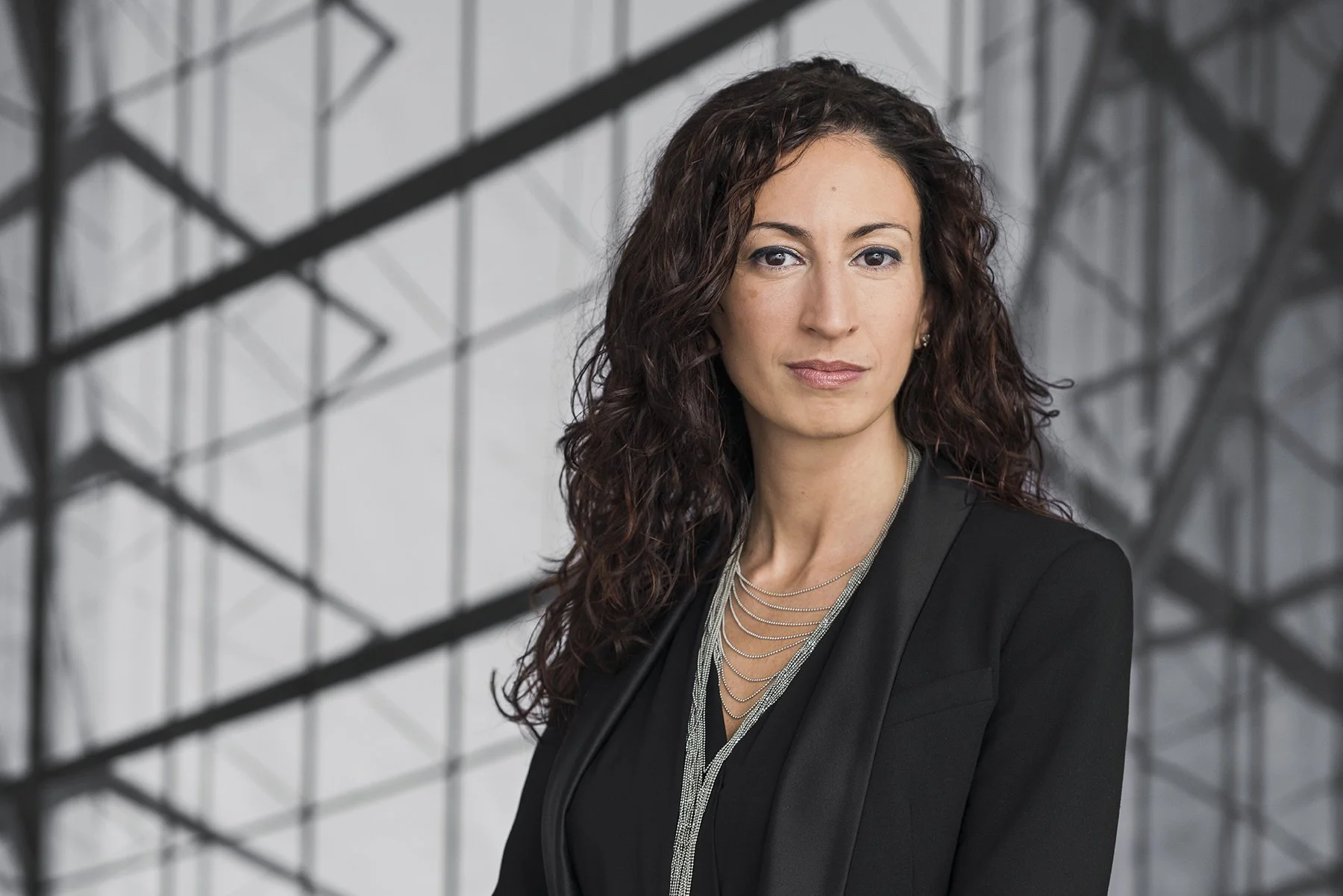 |
Enrica Oliva is a structural engineer in New York City with 20 years of experience worldwide, is an advocate for Integrated Engineering. Inspired by the Archi-Neering philosophy behind Helmut Jahn and Werner Sobek’s collaborations, her approach focuses on the seamless integration of Architecture and Engineering in every project, of any scale and level of complexity.
Her work focuses on sustainable design, material innovation and specialty components of primary structures and building enclosures, and includes art installations, museums, sports facilities, as well as buildings for cultural and educational institutions. Her work is published in the proceedings of the Façade Tectonics and Challenging Glass Conferences, as well as Madame Architect and Architectural Record.
She has presented at the AIA Center for Architecture in New York City, served as a Juror for the Metals in Construction Competition, and a Keynote Speaker for the AIA Iowa Spring 2022 Conference.
Enrica is currently Adjunct Associate Professor at Pratt Institute School of Architecture.
|
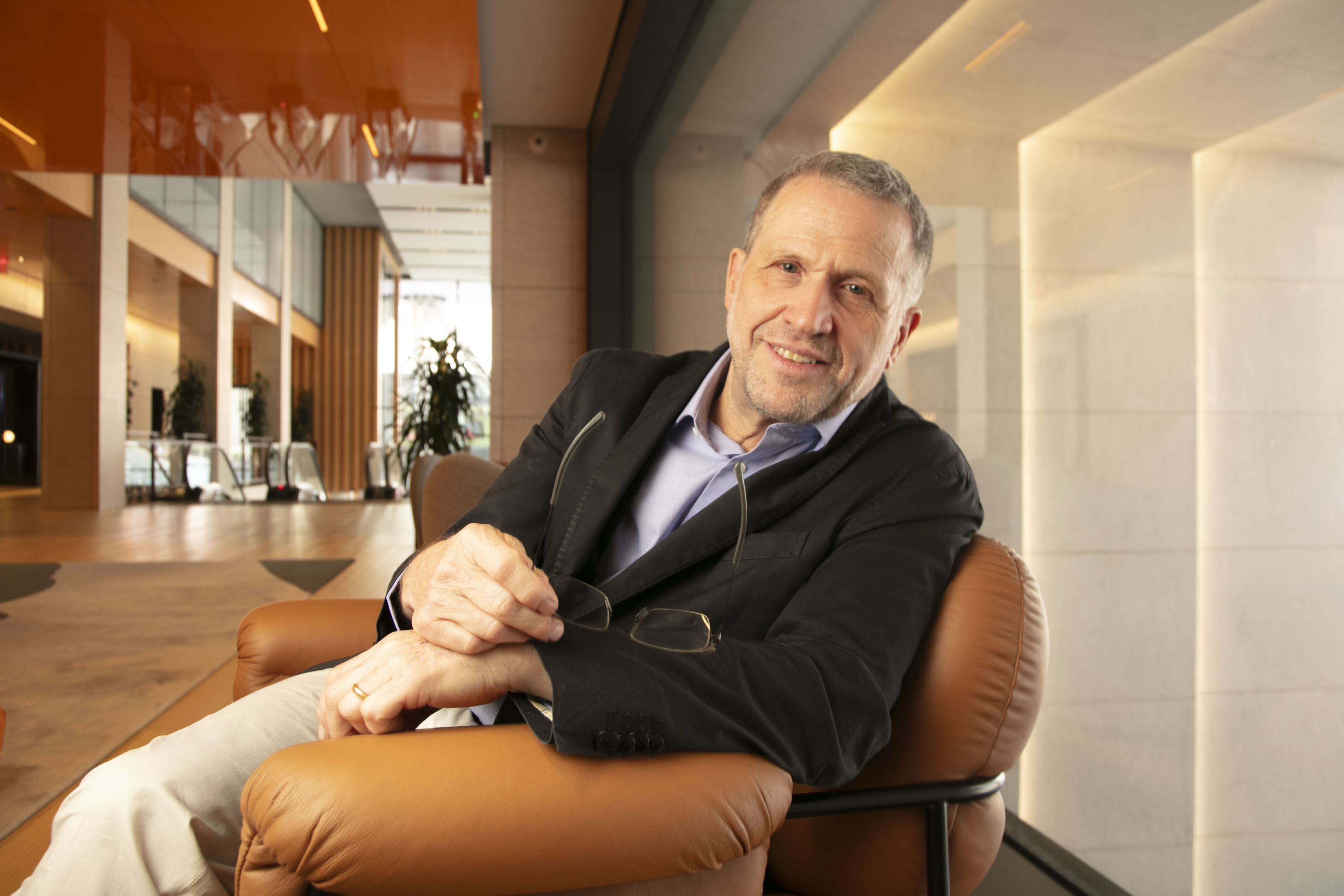 |
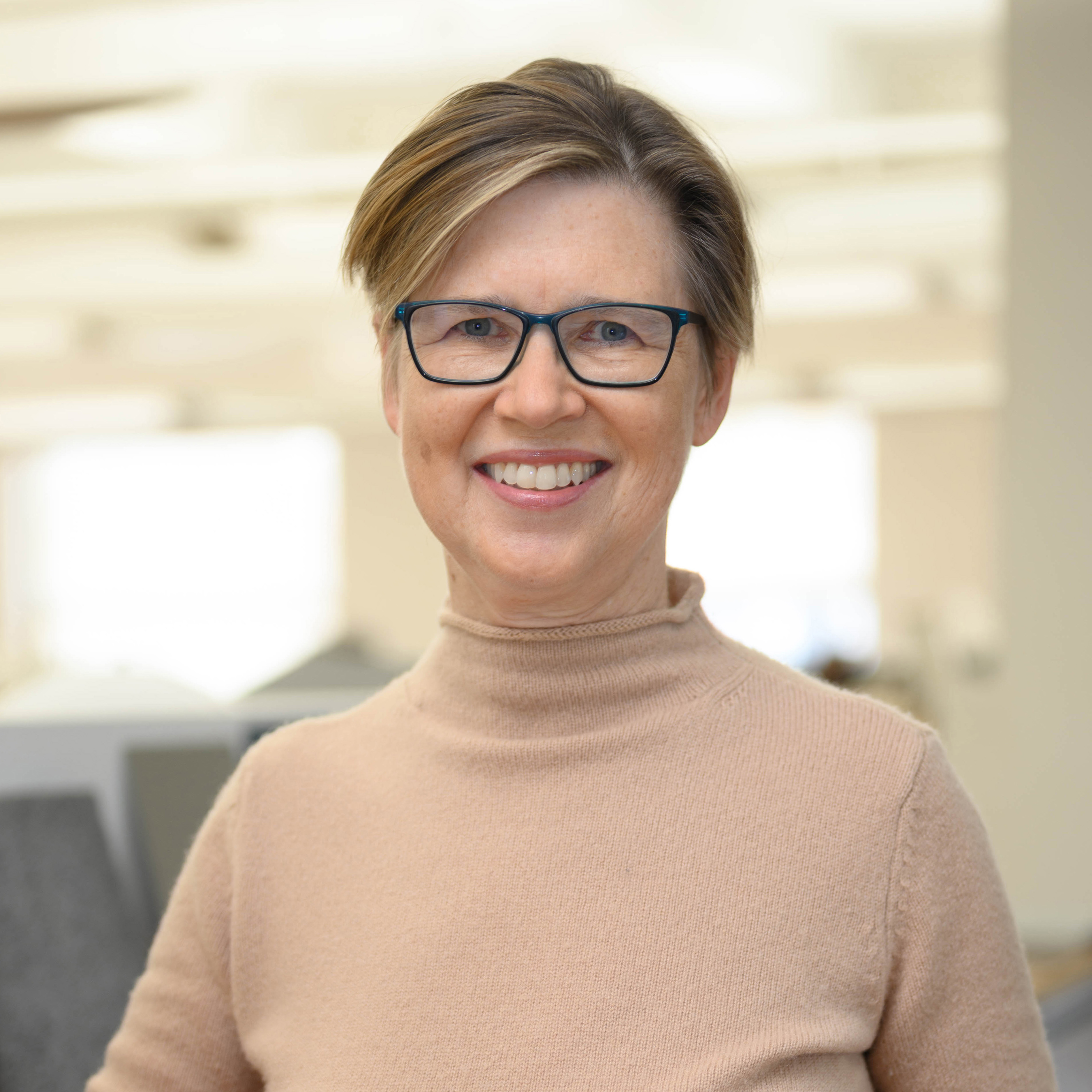
Dan Shannon, AIA, is the Managing Partner at MdeAS Architects in New York City and is an internationally recognized leader in commercial design. With four decades of experience, his expertise has been honed through his involvement in the construction of over 100 million square feet of urban fabric. Noteworthy achievements include the restoration of the iconic GM Building including the incorporation of the Apple Cube into its plaza, earning a MASterworks Award for Best Privately-Owned Public Space. He has also spearheaded the redevelopment of numerous prominent buildings along Bryant Park, Madison Avenue, and Park Avenue, and, most recently, PENN 1 & PENN 2 of THE PENN DISTRICT, earning an AIA NY State Honor Award for PENN 2. Dan’s commitment to the philosophy of modernism and urbanism enlivens a building’s presence with integrity and consideration. He creates thoughtful, holistic architecture that transcends the building and reimagines the urban context. His consideration for the neighborhood makes him more than a monument builder, but rather a fabric maker of great cities. |
 |
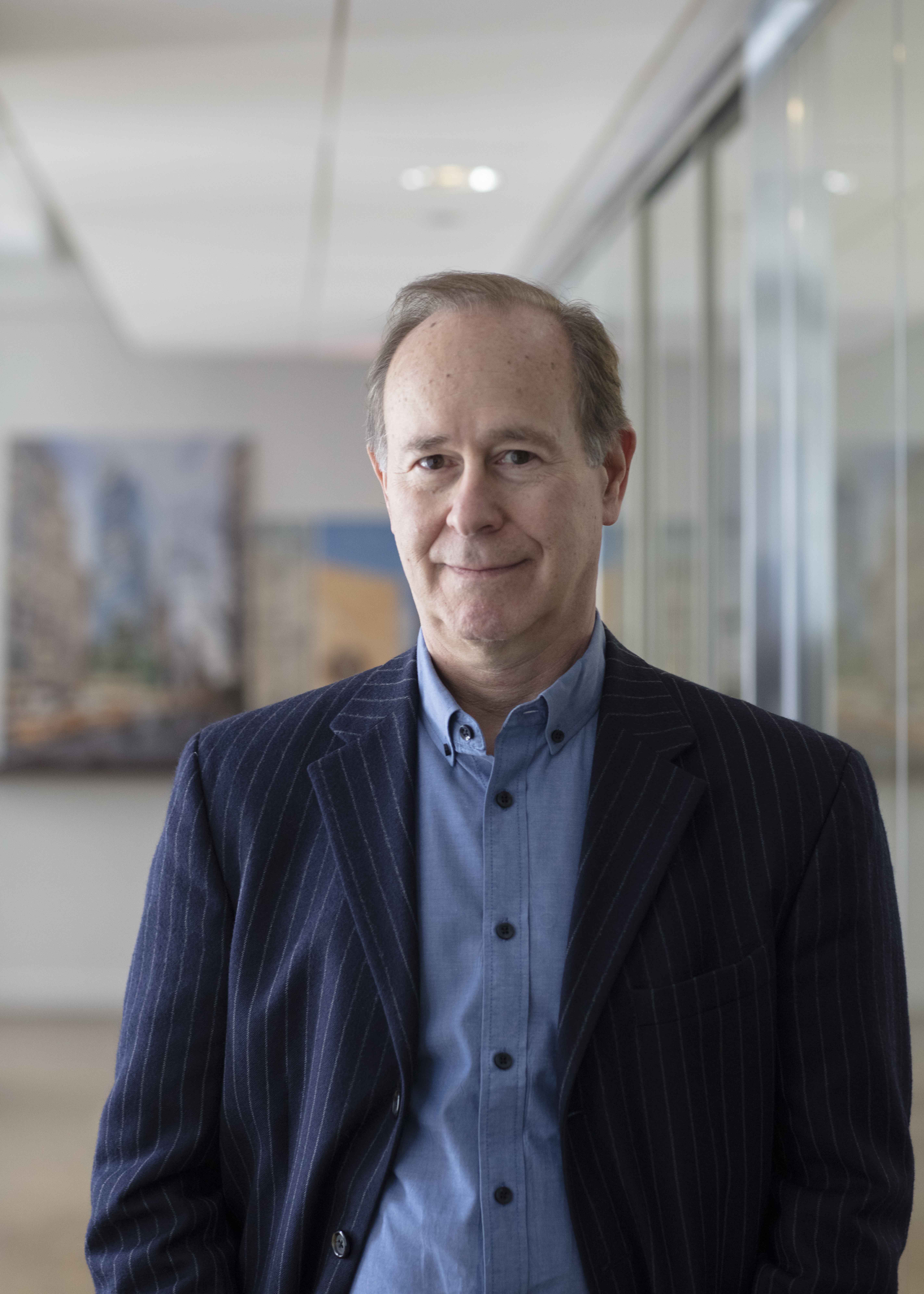
Areta Pawlynsky, AIA, is a Principal at Heintges Consulting Architects & Engineers. She has proudly contributed to the firm’s growth since 1991, including leading Heintges’ unique collective of professionals as Principal since 2009. Areta is interested in exploring the energy efficiency, technical capabilities, and design potential of cladding materials and systems. Her work has included the assessment and renovation of historically sensitive facades at the United Nations Headquarters and UPenn’s Richards Medical Lab, as well as the execution of new enclosures at Obama Presidential Center and NYU’s Paulson Center. Areta holds degrees from University of Illinois and Columbia University in architecture and historic preservation. Her passion for enclosure design has extended beyond the firm by teaching courses in Columbia’s Building Technology sequence, delivering lectures at universities and conferences, mentoring, and engaging as a Fellow of Façade Tectonics Institute. |
 |
Clifford Pearson is a writer and editor who covers architecture, urbanism, and culture. He is the managing editor of Metals in Construction and a contributing editor at Architectural Record, where he had served as deputy editor-in-chief and senior editor for 26 years. From 2018 through 2020, he was the editorial director of Kohn Pedersen Fox, and from 2016 to 2018, he was the director of the University of Southern California’s American Academy in China and a lecturer at the USC School of Architecture. He has extensive experience in Asia, having overseen Record’s coverage in that region and serving as editor-in-charge of its China edition, 2008-2013. He is the co-author, with A. Eugene Kohn, of The World By Design, the author of Indonesia: Design and Culture, and the editor of Modern American Houses. Mr. Pearson holds a master's degree in architectural history from Columbia University and a bachelor's degree in urban studies from Cornell University. |

The Ornamental Metal Institute of New York is a not-for-profit association created to advance the interests of the architectural, ornamental, and miscellaneous metal industries by helping architects, engineers, developers, and construction managers transform designs into reality.
Originally published in Architectural Record
Originally published in May 2026
LEARNING OBJECTIVES
- Identify the characteristics of the older office building enclosure which are unsuited for the demands of the contemporary workforce.
- Assess various design schemes envisioned to transform the enclosure in a way that provides floor level access to natural light and outdoor environment for the health, wellness and productivity of occupants.
- Explore the structural and technical limitations of recladding the older office building to achieve these schemes.
- Evaluate the ways these principles have been incorporated into specific building projects as shown in case studies.