Adaptive Reuse Reimagined: Designing Multifamily Housing from Existing Buildings
An outside-in approach to façade and envelope strategies in the conversion of commercial and historic structures
Sponsored by TAMLYN
Live Webinar Airing on July 29, 2026 at 02:00 PM ET
As cities grapple with housing shortages and aging building stock, adaptive reuse has emerged as a critical design strategy for transforming underutilized commercial and historic structures into high-performing multifamily housing. For architects, these projects present unique opportunities to work within existing constraints while rethinking building performance, identity, and occupant experience.
This webinar explores design-forward approaches to adaptive reuse through the lens of the building envelope. Framed by an “outside-in” methodology, presenters will examine how façade systems and exterior assemblies can be leveraged to manage the movement of water, air, and heat while addressing the challenges of existing structures. From recladding and overcladding strategies to integrating new insulation, air barriers, and high-performance glazing, the session will highlight how envelope design becomes a primary driver of both performance and architectural expression.
Through real-world case studies, architects will gain insight into how to balance preservation requirements, code compliance, and energy performance goals while delivering compelling residential environments. The course will emphasize practical strategies for aligning envelope specification and installation with broader design intent, enabling successful conversions that are resilient, efficient, and visually impactful.
Erick Rodriguez, AIA, Associate at KFA, will present how the firm set a national preservation precedent through its integral role in the development and implementation of the city of Los Angeles’s original Adaptive Reuse Ordinance in 1999. The ordinance introduced zoning incentives that encouraged the residential conversion of underutilized commercial buildings, helping catalyze the revitalization of Downtown Los Angeles.
Michael Poris, AIA, founding principal at McIntosh Poris Associates, founded in 1994 with the mission of saving Detroit’s historic buildings. The firm worked with civic leaders to change outdated commercial and historic zoning, allowing multifamily/mixed-use second lives for underutilized buildings. McIntosh Poris founding principal Michael will provide an overview of how the firm has had a hand in saving nearly 100 historic buildings, making them attractive for development capital. He will show design solutions for converting former automotive factories and decommissioned schools into housing.
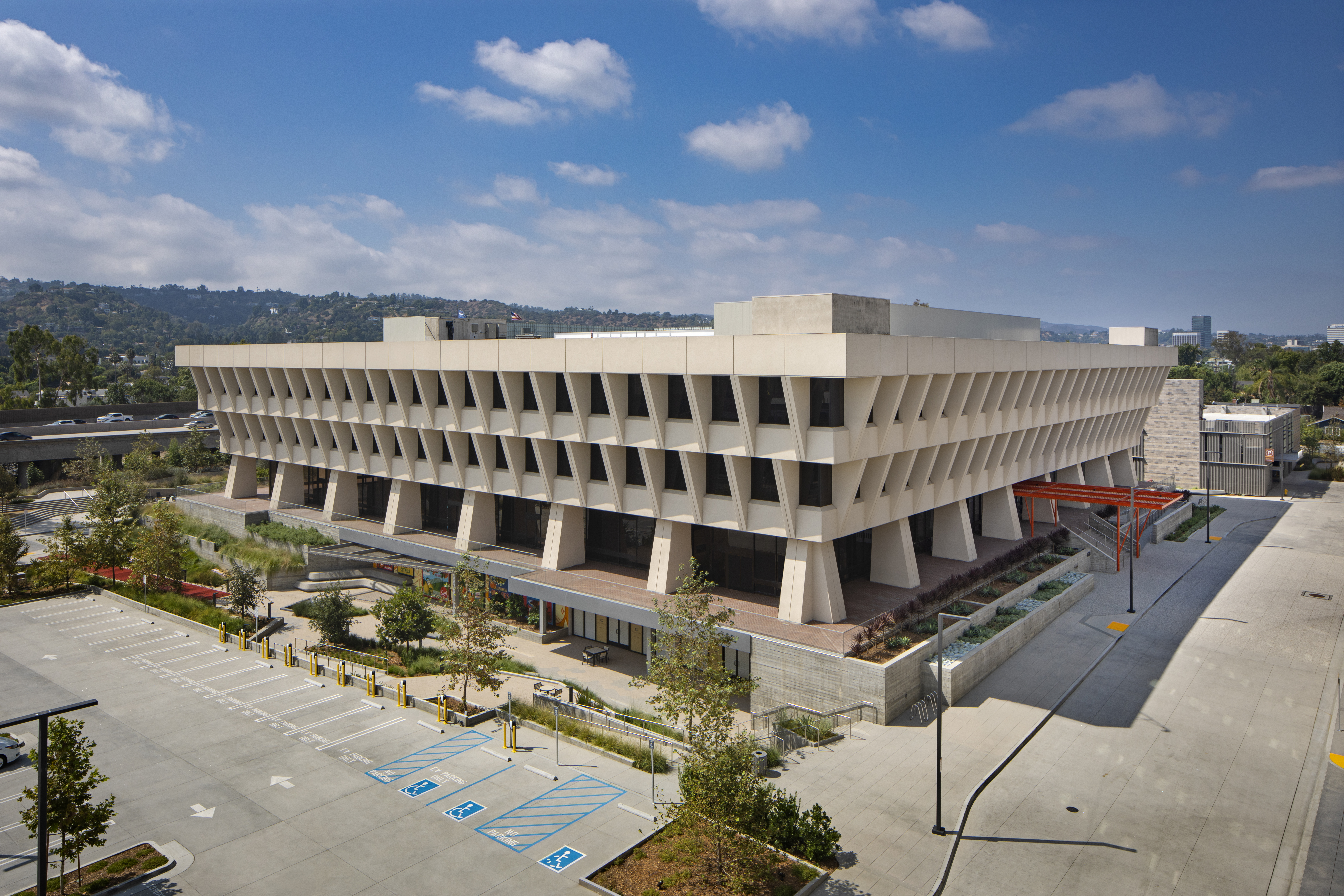
Tom Bonner Photo, Courtesy IMT Residential
KFA designed the multifamily conversion of 1970 Brutalist former office building Citrus Commons, one of the first projects under the new Los Angeles Adaptive Reuse Ordinance.
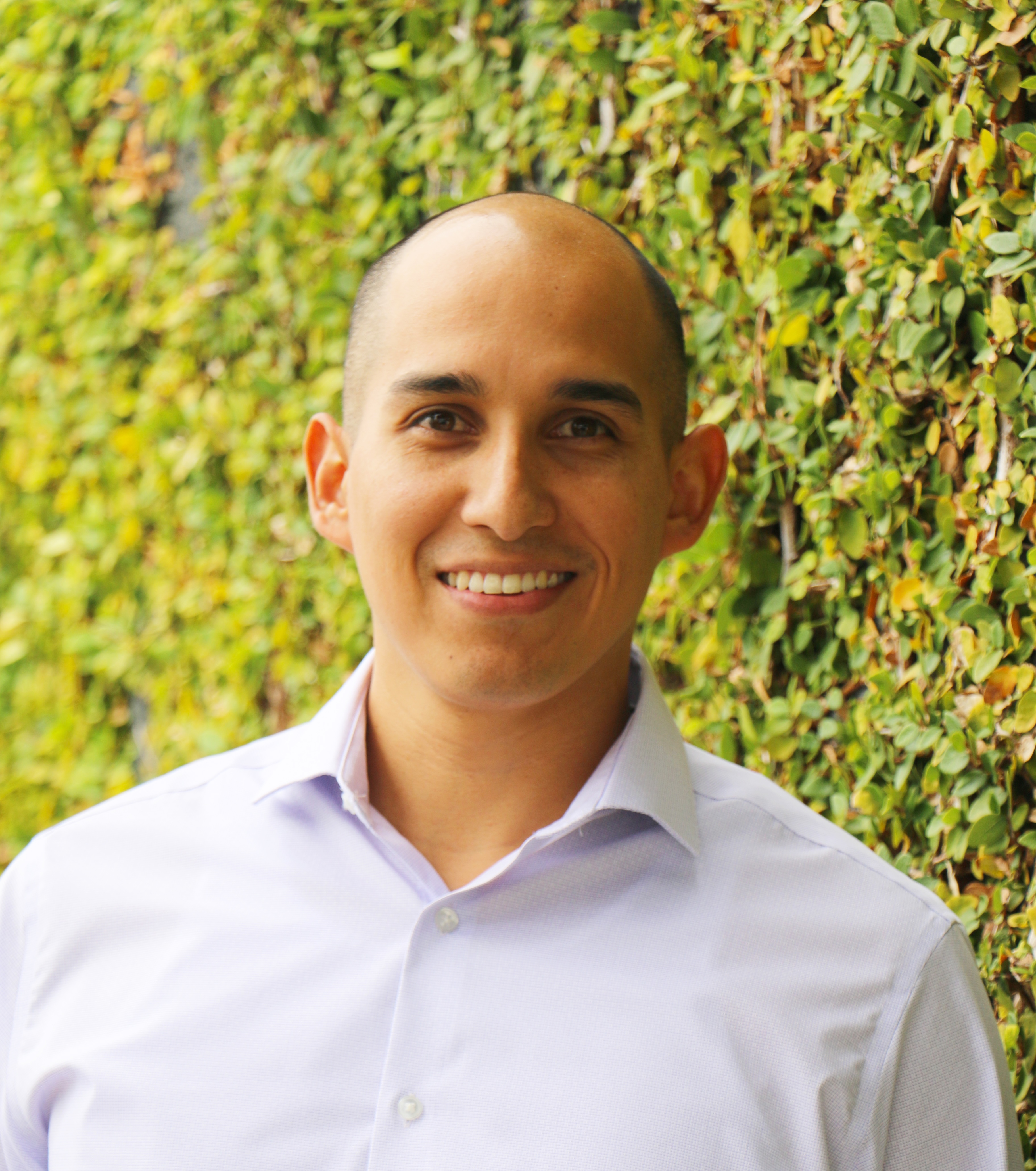 |
Erick Rodriguez, AIA, Associate at KFA, has a decade of experience as a design and community-development professional, beginning his career at a non-profit affordable housing developer in Cleveland, OH. Erick’s architectural aspirations align with KFA’s enduring interest in the intersection of social awareness, design, and innovation. He is passionate about bringing quality housing to Los Angeles, where he was born and raised. Erick currently serves as Project Architect on the adaptive reuse of the historic Sunkist building, known as Citrus Commons, and on projects supporting the ongoing affordable housing redevelopment of Jordan Downs in South Los Angeles. Erick holds a Bachelor of Architecture degree from Woodbury University (Burbank, CA). |
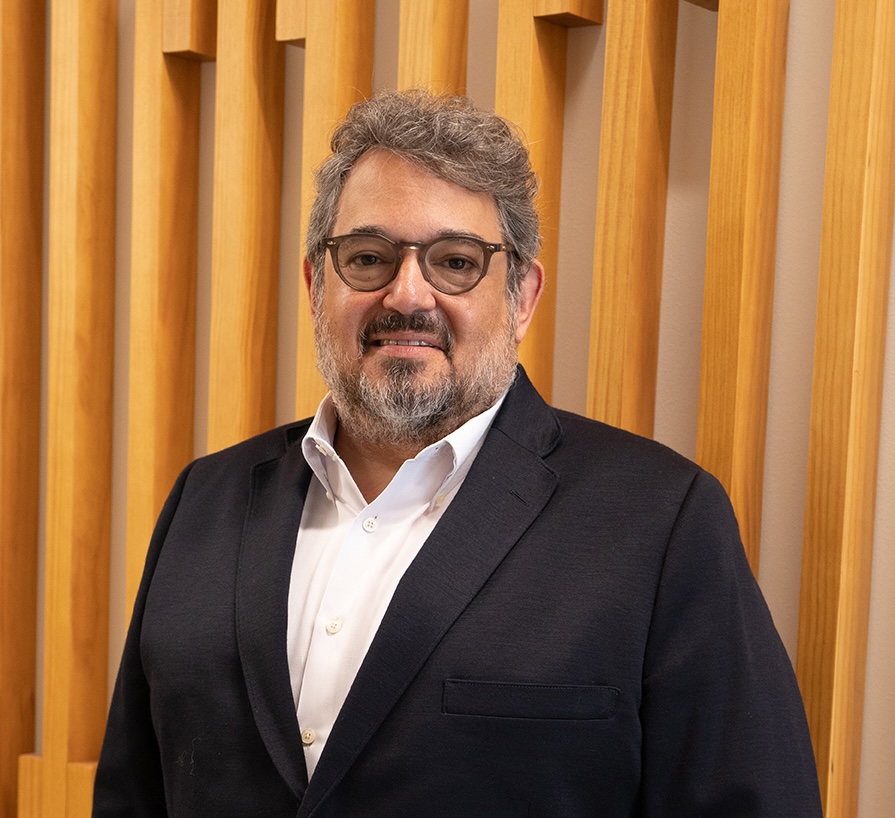 |
Michael Poris, AIA, founding principal at McIntosh Poris Associates, is one of Detroit’s leading preservationist architects. Since his return to the city in 1994 after working for César Pelli, Morphosis, Frank Gehry, and others, Michael has tirelessly worked to preserve Detroit’s beloved 20th-century architecture and historic districts while also implementing change through innovative adaptive-reuse design. He is a recipient of the prestigious Hastings Award from AIA Michigan and the Charles Blessing Award from AIA Detroit. McIntosh Poris has won more than 160 design awards, including 40 regional and national AIA awards, a ULI Global Award for Excellence, and AIA Michigan’s 2024 Firm of the Year. |
TAMLYN is a family-owned company with 50 years in the building products industry and has placed a great deal of recent focus on building science, especially moisture management. This direction led to the development of their TamlynWrap® line, Drainable with its 1.5mm bonded filament creating an enhanced WRB, and RainScreen 6.3 (1/4”) and 10.1 (3/8”). TamlynWrap® RainScreen is a multi-layer water management system, intended for use over existing WRB or coated sheathing, of cavity spaces that are non-compressible and act as a furring matrix to promote enhanced drainage and drying, paired with improved installation efficiency.
Originally published in Architectural Record
Originally published in May 2026
LEARNING OBJECTIVES
- Identify key façade and building envelope strategies used in adaptive reuse projects to control the movement of water, air, and heat in multifamily residential conversions.
- Evaluate how recladding, overcladding, insulation upgrades, air barriers, and high-performance glazing systems contribute to occupant comfort, energy efficiency, and long-term durability.
- Examine the challenges of integrating contemporary envelope assemblies within existing commercial and historic structures while addressing code compliance, preservation requirements, and constructability.
- Analyze design approaches that align building envelope specification and installation with broader architectural goals to create resilient, healthy, and visually impactful multifamily housing environments.