Beyond the Membrane: Detailing Below-Grade Waterproofing for Real-World Performance
Terminations, transitions, penetrations, sequencing, and field conditions that influence long-term durability.
Sponsored by Polyguard | Presented by Rick Gunvaldsen, and Mitchel Pederson
Live Webinar Airing on August 4, 2026 at 02:00 PM ET
As below-grade construction grows more complex, long-term waterproofing performance depends on more than selecting a membrane. It requires coordination between design intent, product selection, site conditions, detailing, construction sequencing, installation quality, drainage, protection, and inspection. This webinar examines below-grade waterproofing as a system, with a practical focus on the details and interfaces that most often determine long-term performance.
Presenters will discuss common mechanisms of water intrusion and review critical conditions such as terminations, transitions, penetrations, laps, seams, drainage, protection layers, and tie-ins between pre-applied and post-applied assemblies. A short technical segment will also address lateral water migration and bond development in pre-applied waterproofing systems.
This discussion may include how different membrane technologies bond to concrete, the role of concrete placement and heat of hydration in bond formation, and how laboratory testing should be interpreted in relation to real construction conditions. The session will also note that the lateral water migration procedures currently debated in the industry are modified laboratory approaches rather than an official standardized ASTM test method, and that such testing typically evaluates bond in the field of a sheet membrane to a small concrete sample rather than complete system performance at laps, seams, penetrations, transitions, and terminations.
Through expert discussion and case-study analysis, attendees will gain practical insight into evaluating waterproofing performance claims, coordinating details and inspections, and specifying below-grade systems that support long-term building durability and occupant protection.
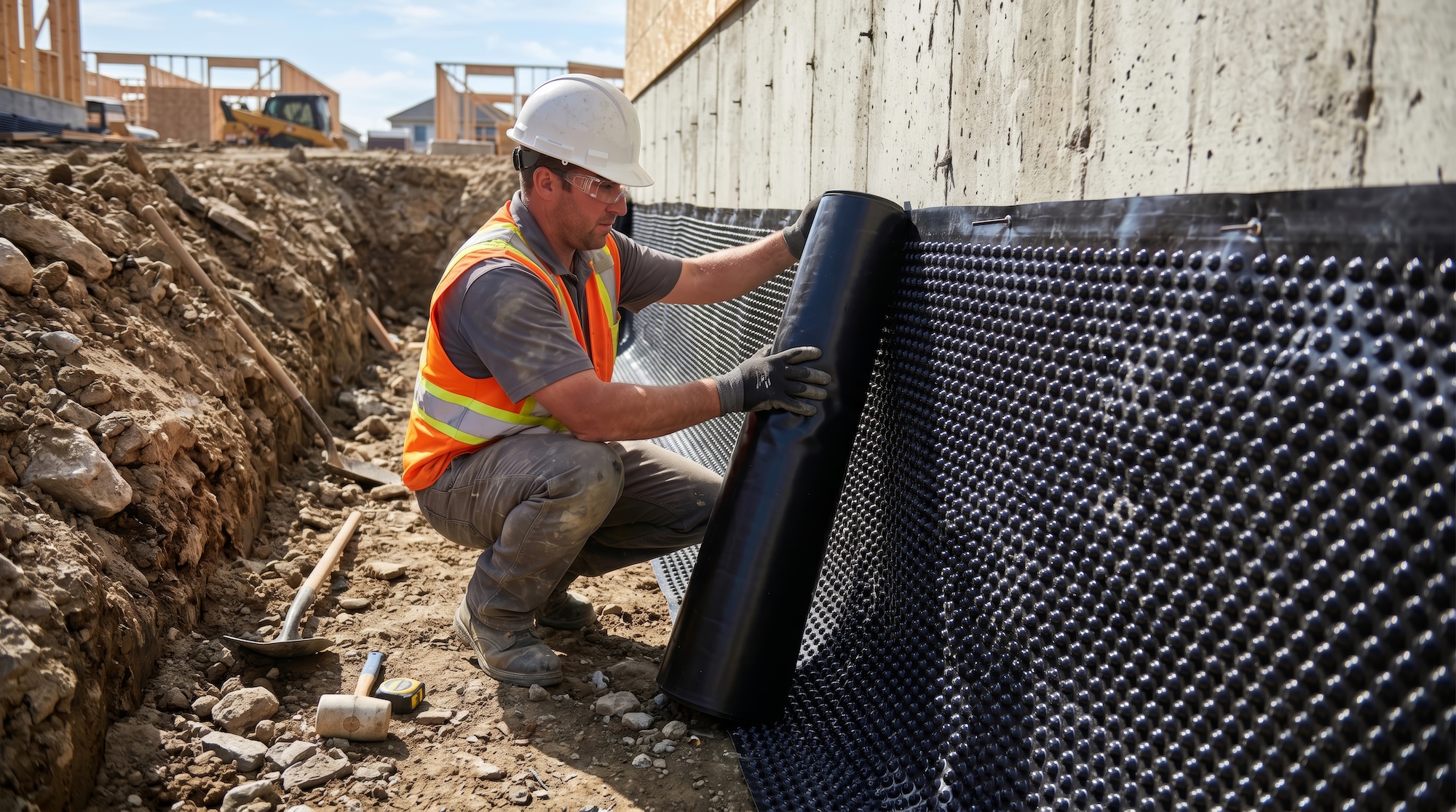
Photo courtesy of Akridiy
 |
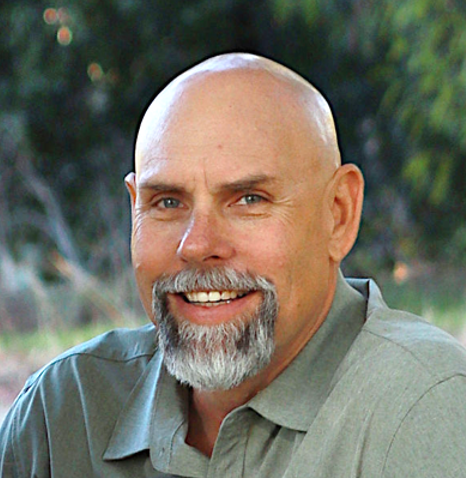
Rick Gunvaldsen, is the Technical Manager for Polyguard Products’ Building & Construction Division. He works with architects, consultants, contractors, and internal product teams to support technical education, product positioning, and field application guidance for below-grade waterproofing, air barrier, balcony, and transition-detailing systems. His role focuses on helping design and construction professionals better understand waterproofing performance, system selection, installation considerations, and practical detailing challenges in the built environment. |
 |
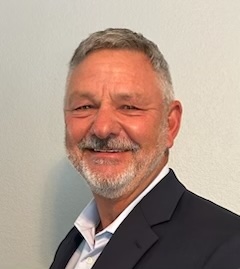
Mitchel Pederson , serves as the Waterproofing Quality Control Manager for a large general contractor in Southern California. He brings over 36 years of experience in the construction industry, having begun his career as a carpenter and welder before transitioning into quality control. Mitchel’s expertise encompasses oversight of multiple projects involving below-grade waterproofing, slab-on-grade vapor barriers and retarders, air barrier systems, exterior building envelope assemblies, protective coatings, interior wet-area waterproofing, and roofing systems. He applies a hands-on approach, leveraging extensive industry knowledge and adherence to AAMA, ASTM, ICRI, and Infrared Thermography standards to perform field testing of project mock-ups, in-place installations, completed systems, and leak investigations. Using documented findings, Mitchel provides training and guidance to project teams, trade partners, architects, consultants, inspectors, and owners to improve installation quality and system performance. |
 |
Tom Stiegemeyer , is Regional Manager of L.S. Decker, Inc., a commercial waterproofing subcontractor, where he has worked since 1981. He relocated to Austin in 1985 to manage and build the company's presence in Central Texas, and has led the operation since, overseeing estimating, project management, and business development. Over more than four decades in the building envelope industry, he has worked with the region's major general contractors, owners, architects, and suppliers on the full range of specialty trade scopes. |

Polyguard manufactures the toughest sealants & barrier systems for every construction project. Behind our quality products is an entire team of experts that are passionate about innovation and truly care about your success.
Originally published in Architectural Record
Originally published in May 2026
LEARNING OBJECTIVES
- Identify common mechanisms of water intrusion in below-grade construction and explain how waterproofing system selection, drainage, and project conditions influence long-term durability and occupant protection.
- Evaluate critical detailing conditions, including terminations, transitions, penetrations, seams, laps, and tie-ins, to improve waterproofing continuity and reduce the risk of failure.
- Describe how construction sequencing, substrate conditions, concrete placement, protection, inspection, and coordination across trades affect below-grade waterproofing performance.
- Interpret technical data and testing related to pre-applied waterproofing, including bond development and lateral water migration considerations, while recognizing the limitations of modified laboratory tests compared with complete system performance in real-world field conditions.