Introduction to Propane Cooling
Using propane cooling to achieve grid independence, add resilience, and save money
Sponsored by Propane Education and Research Council | Presented by Bert Warner
Live Webinar Airing on September 9, 2026 at 02:00 PM ET
As electrical grids face increasing strain from rising temperatures, extreme weather events, and growing energy demands, building professionals are seeking resilient and efficient alternatives for cooling commercial and residential facilities. This course explores propane-powered cooling technologies, including engine-driven and absorption systems, and examines how these proven solutions can reduce dependence on the electric grid while improving energy security. Participants will gain an understanding of how propane cooling systems operate, applicable codes and standards, and the role these technologies can play in supporting reliable building performance during peak demand periods and power disruptions.
Through real-world case studies and comparative analysis, attendees will evaluate the economic, operational, and environmental benefits of propane cooling across a variety of applications, including healthcare, hospitality, education, agriculture, multifamily housing, and mission-critical facilities. The course highlights opportunities to lower electrical demand, enhance resiliency, reduce infrastructure costs, improve system redundancy, and support emissions reduction goals through the use of propane and renewable propane technologies. Participants will leave with practical knowledge to assess propane cooling solutions as part of a comprehensive building energy strategy.
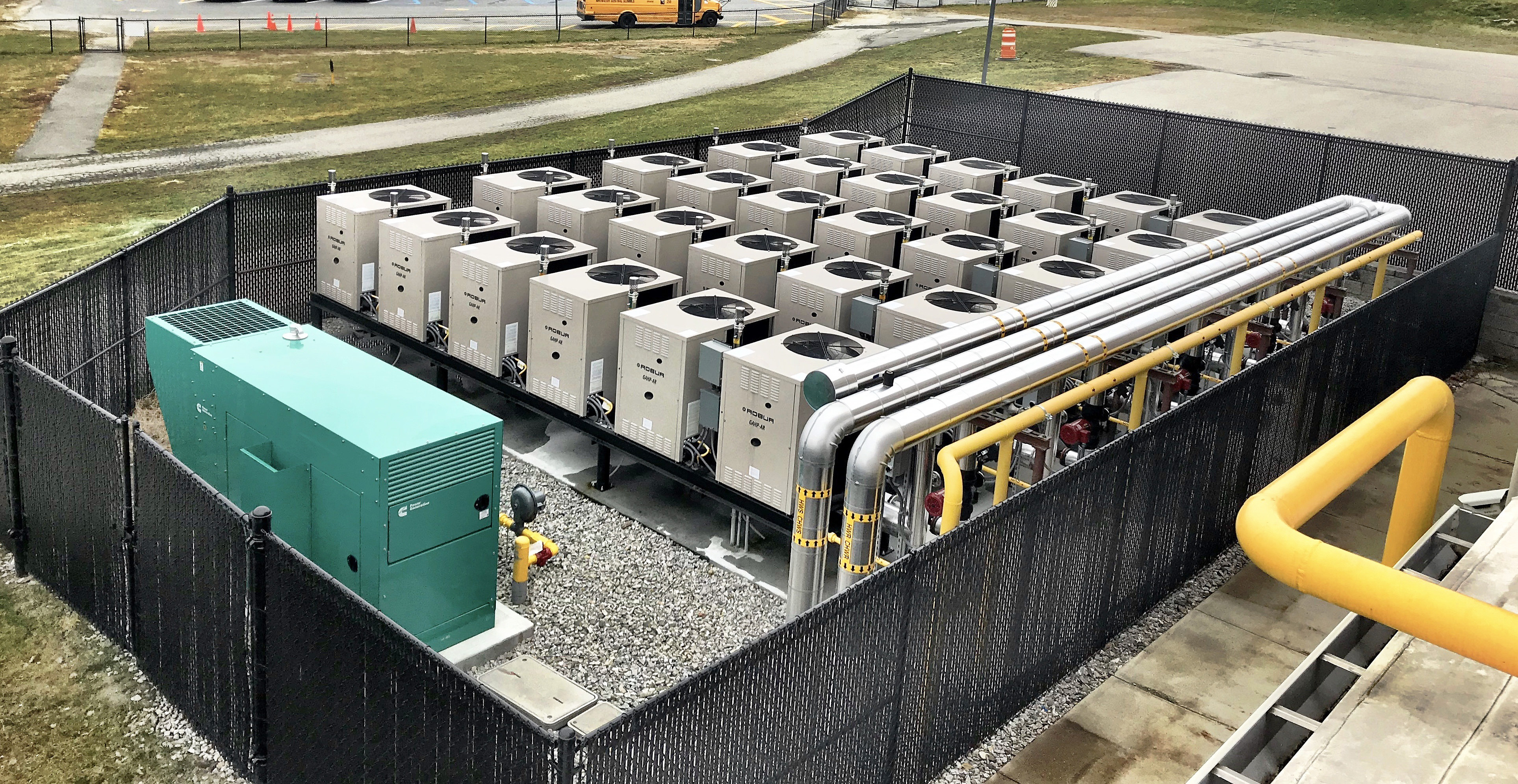
Photo courtesy of Robur Corporation
 |
Bert Warner is a seasoned business development leader with more than two decades of experience driving revenue growth, expanding market presence, and building strong stakeholder relationships. As Director of Commercial & Residential Business Development at the Propane Education & Research Council (PERC), he leads commercial and residential strategy and market adoption efforts for propane across key applications including water heating, power generation, CHP, and HVAC. |
The Propane Education & Research Council is a nonprofit that provides leading propane safety and training programs and invests in research and development of new propane-powered technologies. PERC is operated and funded by the propane industry. PERC programs benefit a variety of markets including transportation, agriculture, commercial landscaping, residential, and commercial building.
Originally published in Architectural Record
Originally published in July 2026
LEARNING OBJECTIVES
- Examine available proven propane cooling technologies that utilize clean, dependable, and efficient site-based energy.
- Conduct a comprehensive and comparative analysis of propane-fueled cooling systems through the lens of resilience, energy usage, and economics.
- Explain the environmental benefits inherent in propane cooling technology, including grid avoidance, redundancy, and site-based advantages.
- Deliberate the potential for environmental and cost advantages when choosing propane as an energy source for cooling.