Generator Selection and Sizing for Outage-Ready Homes
Whole-home design strategies to reduce electric loads and diversify energy sources
Sponsored by Propane Education and Research Council | Presented by Bert Warner
Webinar On-Demand
Due to increasing grid instability, architects, builders, and homeowners recognize the importance of whole-home standby power. But the size and cost of a generator depend on the home’s electrical load. By choosing propane appliances, such as water heaters and furnaces, over electric models, homeowners can reduce their electricity load, enable a smaller, more affordable generator, and save thousands in long-term costs. Propane generators can be used for both primary and backup power and can also be paired with dual-fuel systems, including those that utilize renewable energy sources such as solar.
During this webinar, learn more about designing and building homes that are supported by a whole-home generator and see how increasing propane use throughout a home can reduce the size of a generator.
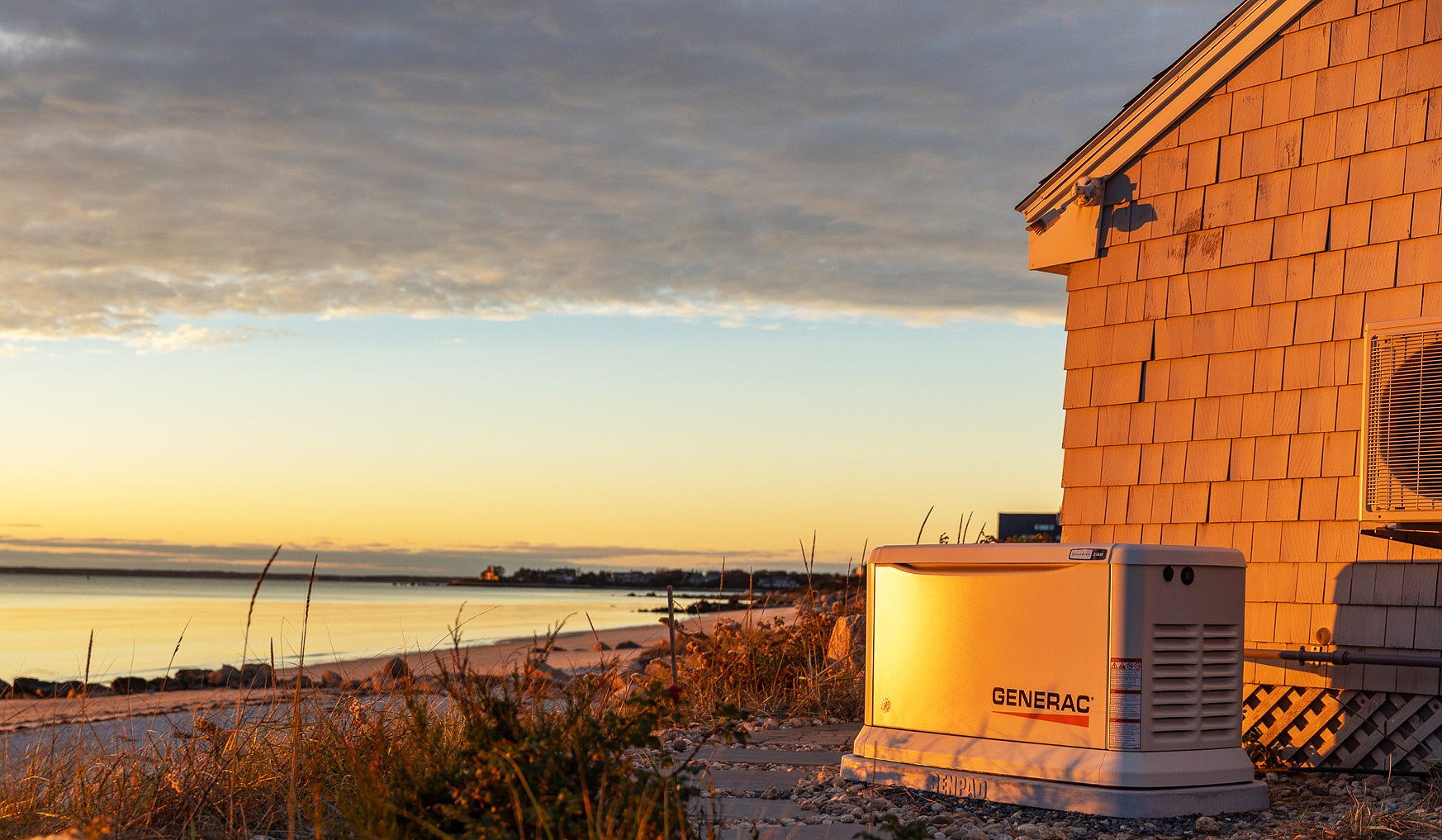
Photo courtesy of Propane Education & Research Council
 |
Bert Warner is the Director of Commercial Business Development at PERC. Bert is the chief architect of the commercial portfolio, leading efforts to maximize propane awareness and gallon sales across diverse commercial markets. Bert spearheads the formulation and execution of market strategies aimed at ensuring that decision-makers specify propane-powered equipment and appliances for commercial construction and operations, including water heating, power generation, CHP and HVAC systems. Through meticulous planning and diligent execution, he ensures the successful launch of new products while maintaining and expanding existing market segments. |

The Propane Education & Research Council is a nonprofit that provides leading propane safety and training programs and invests in research and development of new propane-powered technologies. PERC is operated and funded by the propane industry. PERC programs benefit a variety of markets including transportation, agriculture, commercial landscaping, residential, and commercial building.
Originally published in Architectural Record
Originally published in May 2026
LEARNING OBJECTIVES
- Describe the impact of grid instability and extended outages on residential energy planning.
- Explain how whole-home generators function and support residential resilience.
- Identify the benefits of propane appliances in reducing electrical demand and enabling the use of smaller generators.
- Describe options for integrating generators with renewable energy, such as solar, for prime or backup power.