Noise Control Solutions
Resilient Sound Isolation Clips
Sponsored by PAC-CLAD
There is no audio associated with this presentation.
Within building spaces, noise can be reduced by using materials or assemblies that isolate sound or mitigate its transmission. To do this, it is important to understand how sound moves through building materials and partitions and the impact of sound mitigation products. In this course, we look at the basics of sound as well as techniques and products to prevent sound transmission.
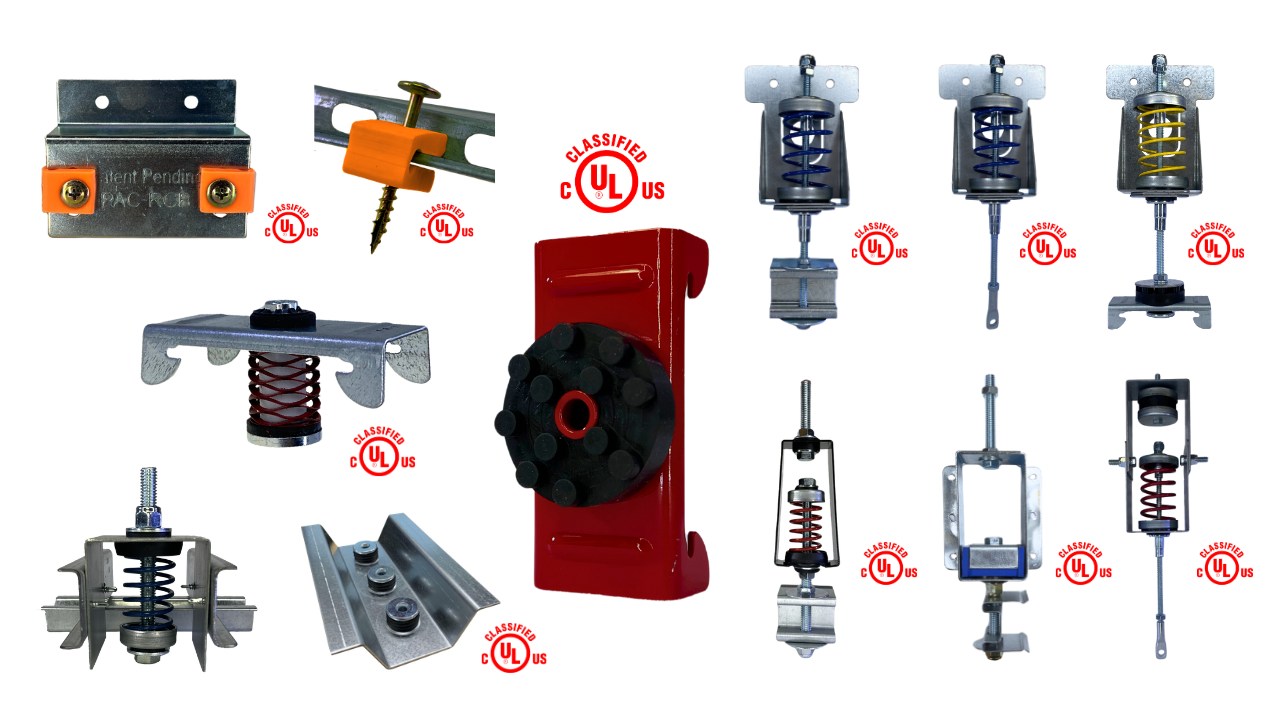
Photo courtesy of PAC International
A variety of acoustical and vibration isolation products designed to control noise transmission, decouple building assemblies, and enhance the acoustic performance of commercial and residential structures.
Petersen, a Carlisle company, manufactures PAC-CLAD architectural metal cladding systems in multiple gauges of steel and aluminum. PAC-CLAD products include wall panels, standing seam roof panels, soffit panels, perforated metal, coil and flat sheet. All are available in a Kynar-based 70% PVDF Fluropon coating in 50 standard colors.
Originally published in Building Enclosure
Originally published in July 2026
LEARNING OBJECTIVES
- Define sound, its behavior, and how it is quantified.
- Define sound transmission class and impact insulation class and determine the code requirements for sound transmission criteria.
- Predict airborne and structureborne noise paths and select appropriate sound isolation details to disrupt these paths.
- Identify sound isolation techniques, materials, and products.
- Recognize the role of resilient sound isolation clips in sound attenuation and specify appropriate locations for their use.