High-Performance Finishes for Metal Architecture
Bold Color: Creative Expression, Long-Term Durability
Sponsored by PAC-CLAD | Presented by Todd Bergman
Live Webinar Airing on December 9, 2026 at 02:00 PM ET
Architects can now specify bold architectural color without risk of fading, increased need for repainting, or high lifecycle maintenance. This course examines how high-performance 70 percent PVDF coil coatings and architectural anodizing support expressive metal facades with verified long-term color stability.
Through peer-reviewed research and real-world case studies, participants explore evidence-based insights into color perception, durability standards, and practical design strategies—including color blocking, metallic finishes, and simulated patinas—that enable simple architectural panel systems to convey depth, hierarchy, and visual interest without adding envelope complexity.
Architects will leave equipped with research-supported approaches for using color to enhance user experience, reinforce community identity, and protect long-term project value.
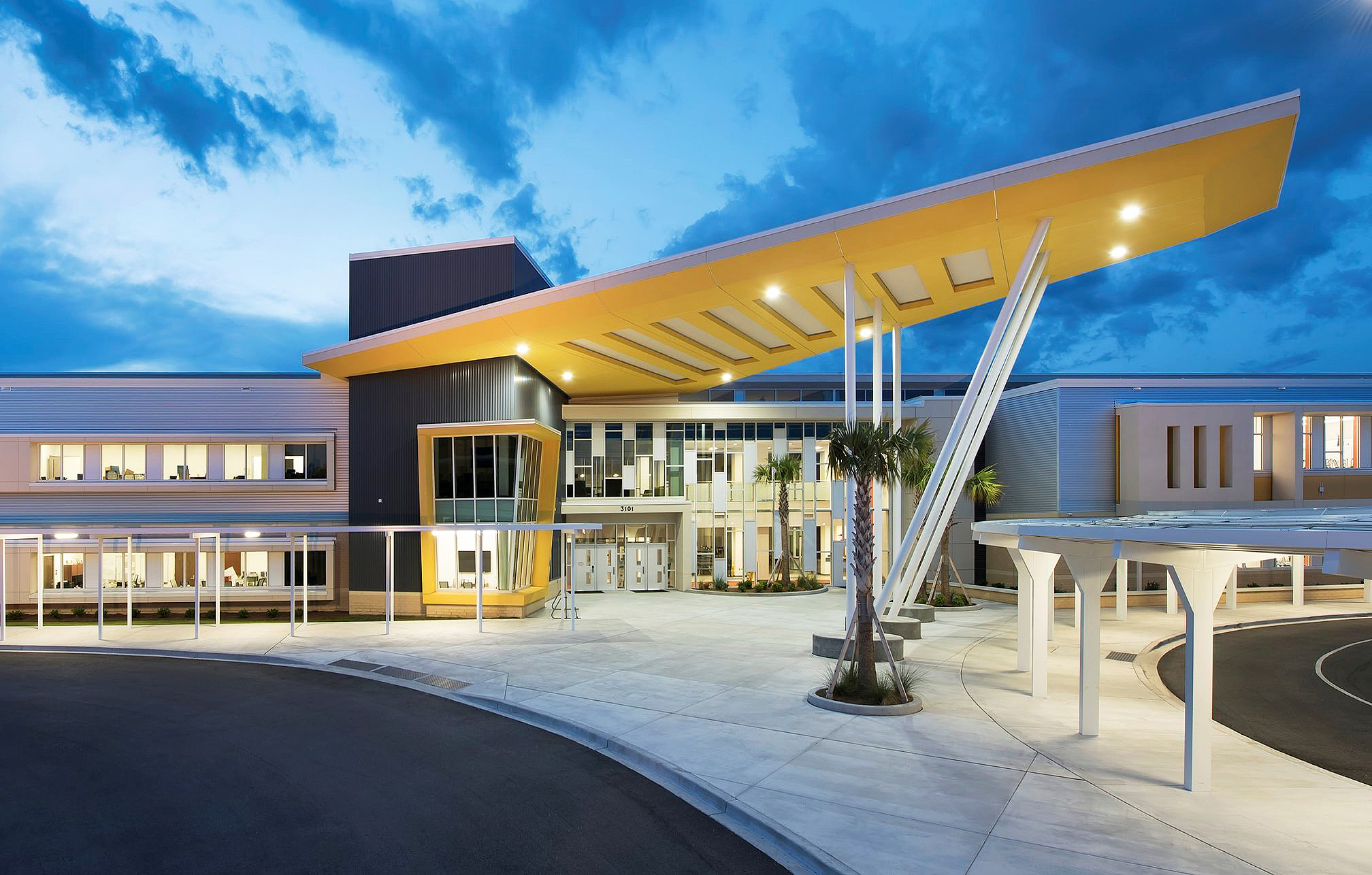
Photo courtesy of Matt Horton, hortonphotoinc.com
 |
Todd Bergman, is product manager at Carlisle Architectural Metals. Todd has more than 20 years of experience in construction materials design and management. His background includes 15 years focused on interior surface systems and 5 years addressing exterior cladding, working to merge aesthetics and performance. He focuses on turning strong architectural ideas into products that look great, perform well, and survive budgets, schedules, and gravity. |

PAC-CLAD | Petersen proudly manufactures architectural metal wall panels and metal roofing systems that inspire bold, creative building design. A wide range of standard and custom colors are offered with an outstanding 35-year finish warranty. Most colors are Cool Roof-rated and meet LEED requirements.
Originally published in Building Enclosure
Originally published in October 2026
LEARNING OBJECTIVES
- Identify how color, gloss, and metallic effects influence emotional response and community perception, as supported by peer-reviewed research.
- Define the long-term performance of 70 percent PVDF coil coatings and Class I and Class II anodizing using AAMA and ASTM exposure data.
- Explain how color blocking and specialty finishes create perceived complexity on simple metal panel systems while maintaining envelope performance and cost control.
- Discuss real-world architectural projects that illustrate how color psychology, finish performance, and specification decisions translate into built architecture.