Thermal Bridging Impacts on Multifamily Buildings under the ECCCNYS-2025 (Mass and Wood Wall Construction)
Understanding Thermal Envelope Performance, Thermal Bridging, and Code Compliance in Multifamily Building Enclosures.
Sponsored by NYSERDA
This course examines the role of the building thermal envelope in improving energy performance and meeting the requirements of the 2025 Energy Conservation Construction Code of New York State (ECCCNYS) for multifamily buildings. Using two prototype multifamily buildings as case studies, participants will review envelope performance requirements, typical wall assemblies, and the relationship between enclosure design and building energy loads.
The course identifies common thermal bridges and other weak points found in conventional mass and wood-frame construction, explains their impact on energy use, and discusses practical strategies to improve insulation continuity and reduce heat loss. Participants will also examine how air leakage and thermal bridging affect overall building performance and how these conditions interact with other building systems to support code compliance, energy efficiency, occupant comfort, and New York’s clean energy goals.
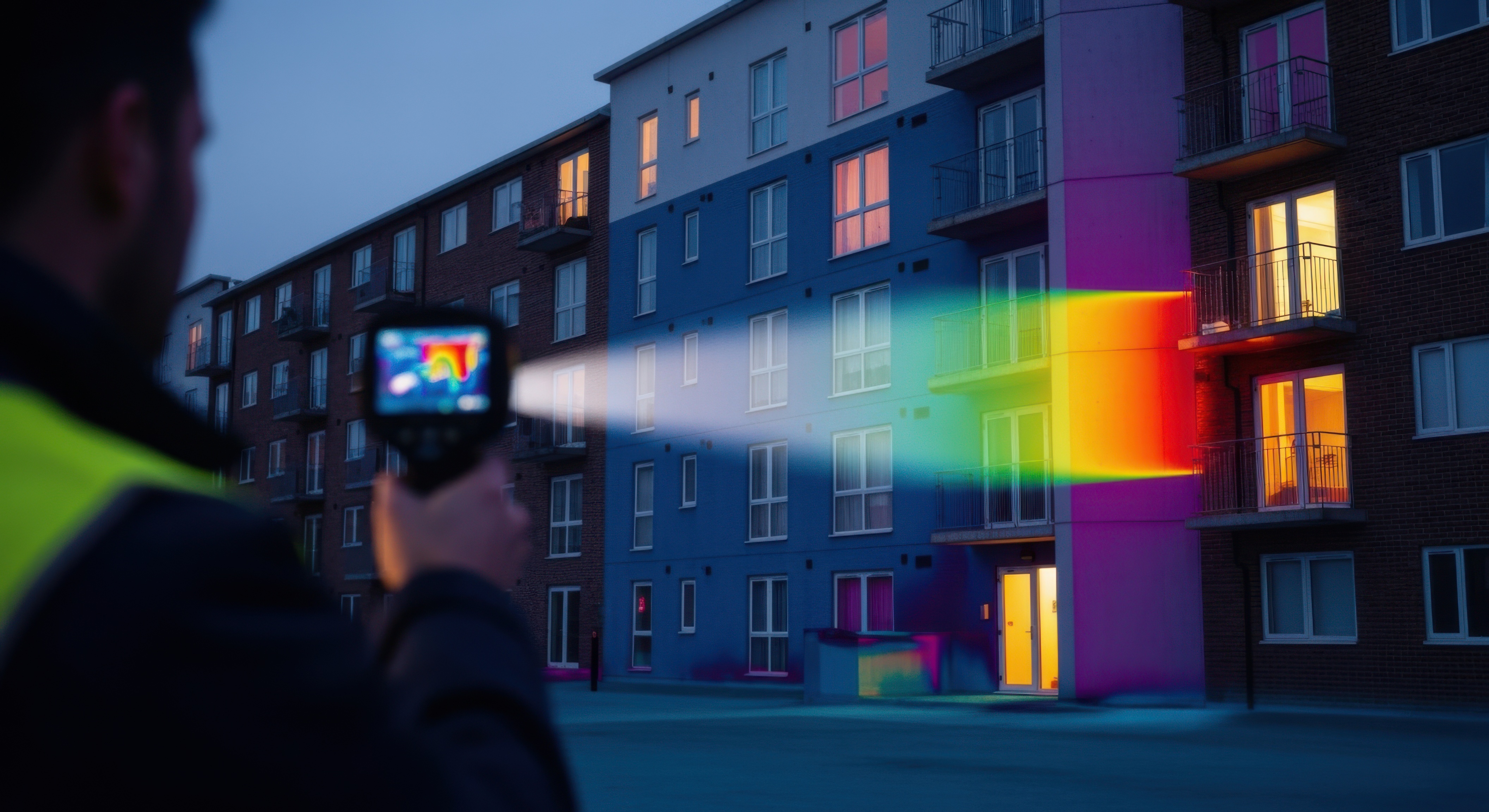 Photo courtesy of NYSERDA

Originally published in Architectural Record
Originally published in August 2026
LEARNING OBJECTIVES
- Describe the requirements for building thermal envelope performance requirements in multifamily buildings.
- Understand the impact of envelope performance on energy loads.
- Identify common thermal bridges and other weak points in conventional mass and wood-frame walls.
- Implement solutions that enhance insulation and mitigate thermal bridges in construction.
- Explain how insulation and thermal bridges interact with other building components.