This course is part of the ADA Academy
Below are a set of links to building type studies from Architectural Record, which are in-depth analyses of particular kinds of buildings, with photos, drawings, specifications, detailed descriptions, and design solutions. Click on each link below, read the article, then complete the quiz to earn your credit and certificate of completion.
More than three decades after the passage of the Americans with Disabilities Act, accessibility continues to shape the design of museums, libraries, residences, civic infrastructure, and public spaces. While compliance remains a legal requirement, leading architects are moving beyond minimum standards to integrate accessibility as a core design driver that supports inclusion, dignity, and universal use.
Drawing from a range of recent Architectural Record projects and commentary, this course examines how ADA principles influence design decision-making across building types. From complex museum renovations and historic library transformations to experimental residential work and high-profile public interventions, presenters will explore how accessibility impacts circulation, material selection, vertical transportation, site design, and public engagement.
Through case studies and expert perspectives, attendees will gain insight into how accessibility considerations intersect with preservation, innovation, safety, and user experience in contemporary practice.
Accessibility Experts and Architects Consider 30 Years of the ADA
For its State Route 520 infrastructure project in Seattle, LMN Architects produced tactile drawings for blind and low-vision community members during the design process
Matthew Messner
Villa IV by Office Kersten Geers David Van Severen
A thoughtfully designed family home is Brussels balancing privacy and accessibility
RECORD Editors
Venice Begins Dismantling Glass Steps of Santiago Calatrava's Slippery Glass Bridge
City moves forward with upgrades to the slip-prone Ponte della Costituzione, prioritizing accessibility
Matt Hickman
The Met Reveals Frida Escobedo's Design for Reimagined Modern and Contemporary Art Wing
Expansion of the Tang Wing of the Met
Matt Hickman
The Little Big House by Knox Bhaven
Hertfordshire, England
RECORD Editors
Kieran Timberlake Transforms D.C's Folger Shakespeare Library
A revitalized civic landmark opens its doors to a broader public
Josephine Minutillo
BAAB's Inside-Out Bath in Upstate New York Turns a Paradigm on Its Head
Kerhonkson, New York
Matthew Marani
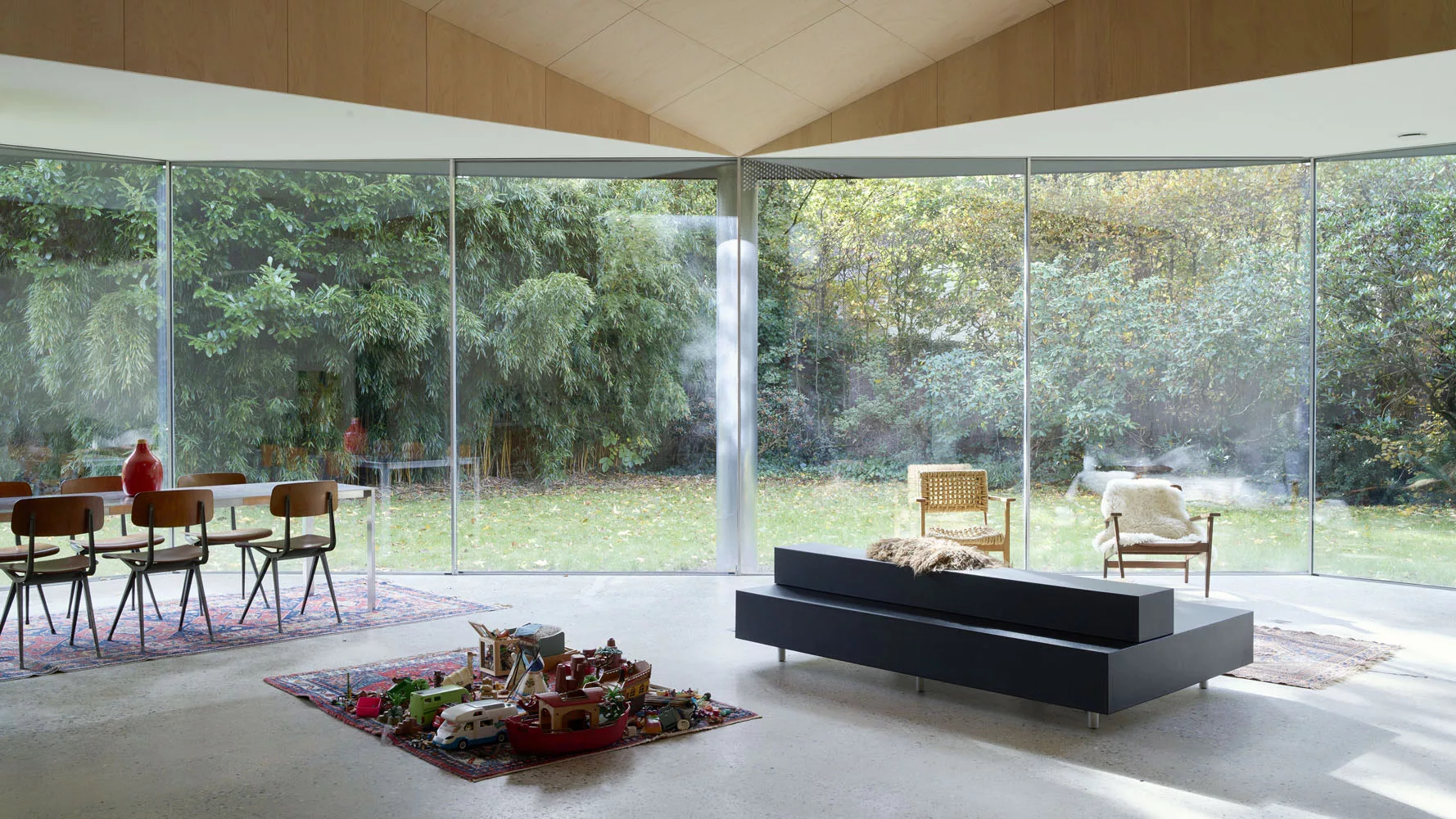
Photo © Bas Princen
Below are a set of links to building type studies from Architectural Record, which are in-depth analyses of particular kinds of buildings, with photos, drawings, specifications, detailed descriptions, and design solutions. Click on each link below, read the article, then complete the quiz to earn your credit and certificate of completion.
More than three decades after the passage of the Americans with Disabilities Act, accessibility continues to shape the design of museums, libraries, residences, civic infrastructure, and public spaces. While compliance remains a legal requirement, leading architects are moving beyond minimum standards to integrate accessibility as a core design driver that supports inclusion, dignity, and universal use.
Drawing from a range of recent Architectural Record projects and commentary, this course examines how ADA principles influence design decision-making across building types. From complex museum renovations and historic library transformations to experimental residential work and high-profile public interventions, presenters will explore how accessibility impacts circulation, material selection, vertical transportation, site design, and public engagement.
Through case studies and expert perspectives, attendees will gain insight into how accessibility considerations intersect with preservation, innovation, safety, and user experience in contemporary practice.
Accessibility Experts and Architects Consider 30 Years of the ADA
For its State Route 520 infrastructure project in Seattle, LMN Architects produced tactile drawings for blind and low-vision community members during the design process
Matthew Messner
Villa IV by Office Kersten Geers David Van Severen
A thoughtfully designed family home is Brussels balancing privacy and accessibility
RECORD Editors
Venice Begins Dismantling Glass Steps of Santiago Calatrava's Slippery Glass Bridge
City moves forward with upgrades to the slip-prone Ponte della Costituzione, prioritizing accessibility
Matt Hickman
The Met Reveals Frida Escobedo's Design for Reimagined Modern and Contemporary Art Wing
Expansion of the Tang Wing of the Met
Matt Hickman
The Little Big House by Knox Bhaven
Hertfordshire, England
RECORD Editors
Kieran Timberlake Transforms D.C's Folger Shakespeare Library
A revitalized civic landmark opens its doors to a broader public
Josephine Minutillo
BAAB's Inside-Out Bath in Upstate New York Turns a Paradigm on Its Head
Kerhonkson, New York
Matthew Marani
Photo © Bas Princen