Using Charred Wood for Exteriors and Interiors
Recognize the true nature of authentic yakisugi wood products and their role in safe, durable, and sustainable architectural design
Sponsored by Nakamoto Forestry North America | Presented by Elijah Joslyn
Live Webinar Airing on September 17, 2026 at 12:00 PM ET
Wood is a desirable building product for many reasons including aesthetic appeal, sustainability, and being economical. While many different approaches have been used to improve its durability and longevity, particularly in exterior applications, the Japanese process of charring the surface of the wood has gained popularity in the United States in recent years. Referred to as yakisugi in Japan and often as “shou sugi ban” in the West, the material is being specified and used in residential and commercial designs due to its enhanced durability and the aesthetic appeal of the charred wood. This course provides an in-depth exploration of authentic yakisugi /shou sugi ban and points out the differences with some similar treatment processes which can vary in their performance. The content covers the history, science, and modern architectural applications of this sustainable material, emphasizing its environmental benefits and ability to protect wood from fire, moisture, and pests. By examining some example projects, readers can gain practical knowledge on incorporating charred wood into modern designs, balancing tradition with contemporary sustainability practices.
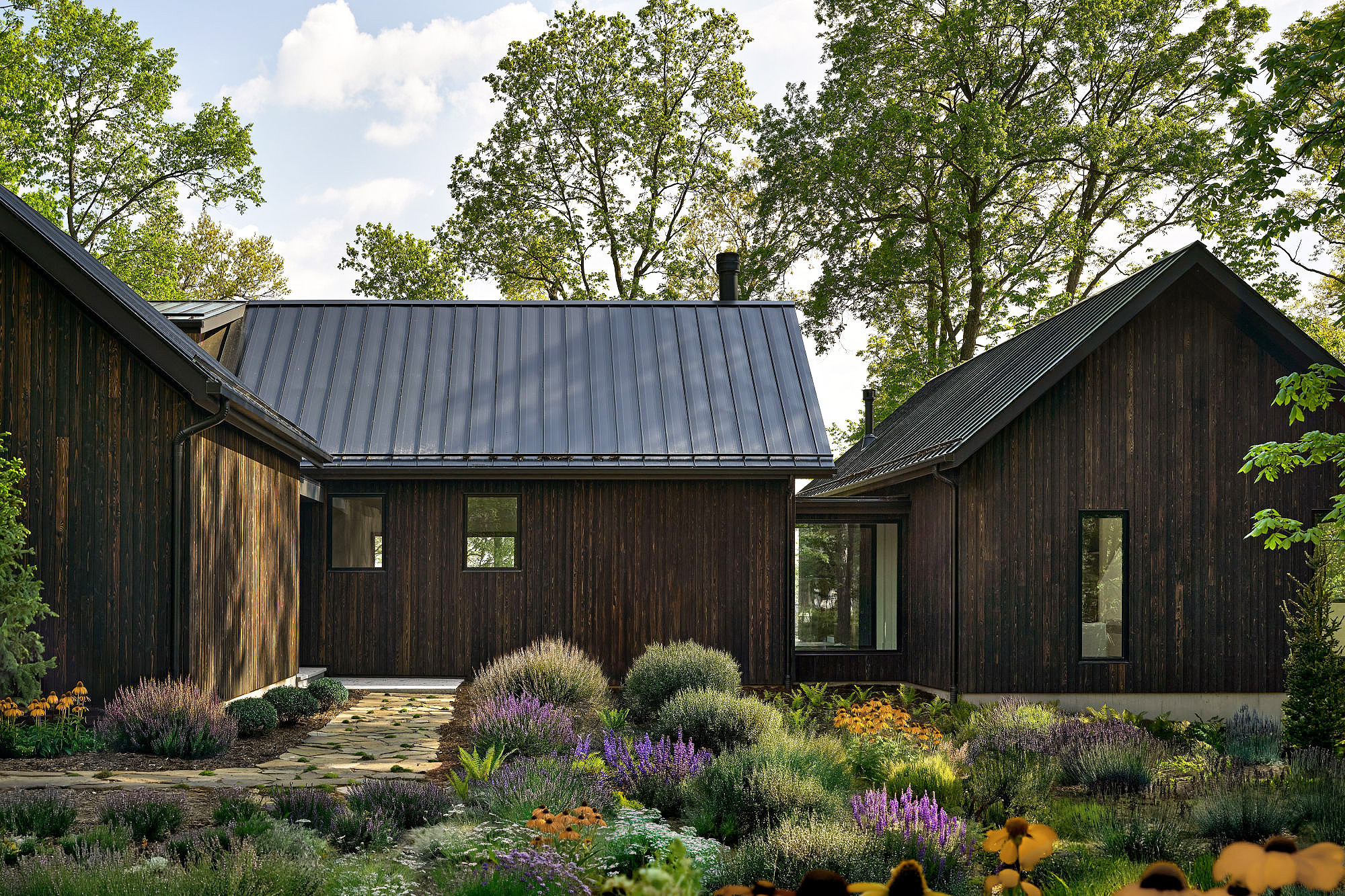
Photo courtesy of Lauren Gryniewski, Round Three Photography
 |
Elijah Joslyn is an Account Representative with Nakamoto Forestry North America, where he works with architects, designers, builders, and developers to integrate authentic Japanese yakisugi "shou sugi ban" into residential, commercial, and institutional projects across North America. He provides guidance on material selection, technical detailing, installation best practices, and long-term performance, helping design teams confidently specify charred wood for a wide range of applications. Elijah regularly presents accredited continuing education seminars for the architecture and design community, sharing insights into the history, manufacturing process, performance characteristics, and contemporary use of yakisugi. By combining technical knowledge with real-world project experience, he helps design professionals better understand how this traditional Japanese building material can support modern architectural goals for durability, sustainability, and design excellence. |

We craft the highest grade yakisugi siding in the world—and we’ve been doing it diligently for the last 50 years.
The Nakamoto Zourin group is owned and managed by the Nakamoto family and headquartered in western Japan. We have managed sugi and hinoki forest in Hiroshima since the 1920’s, and have four main mills in Hiroshima and Tokushima prefectures that mill siding and flooring from sugi, hinoki, pine, oak, cherry, cedar, spruce, larch, and other species. Nakamoto Zourin is the largest siding mill in Japan and the largest manufacturer of yakisugi in the world. We are affiliated with WoodOne, the largest flooring manufacturer in Japan and the largest radiata pine timberland owner in New Zealand. Additionally, in cooperation with Sumitomo Forestry we supply our off-grade logs to the biomass fuel market in Japan.
Nakamoto Zourin is PEFC certified, a chain of custody sustainable forestry compliance standard. Worldwide we mill and ship 650,000-810,000 square feet (60,000-75,000m2) of yakisugi every month, and have a surge capacity double these numbers. We can handle any size project you would like to specify our products for.
Nakamoto Forestry North America distributes jobsite-direct throughout North America from a stocking warehouse and prefinish shop in Portland, Oregon. Nakamoto Forestry Europe distributes throughout the European region from a stocking warehouse in Duesseldorf, Germany.
Originally published in Architectural Record
Originally published in July 2026
LEARNING OBJECTIVES
- Recognize the true nature of authentic yakisugi wood products and their role in safe, durable, and sustainable architectural design.
- Assess the safety performance aspects of exterior and interior yakisugi surfaces as they relate to durability and sustainability.
- Explain how wood species, millwork, grading, and finishes impact aesthetics, dimensional stability, and durability in architectural applications.
- Determine ways to incorporate the principles presented into buildings as shown in project examples.