Selecting High-Performance Waterproofing Systems for Plaza Decks
A comprehensive guide to assembly selection, drainage design, detailing, waterproofing technologies, and performance verification
Sponsored by Henry, a Carlisle Company | Presented by Jeremy Naves
Webinar On-Demand
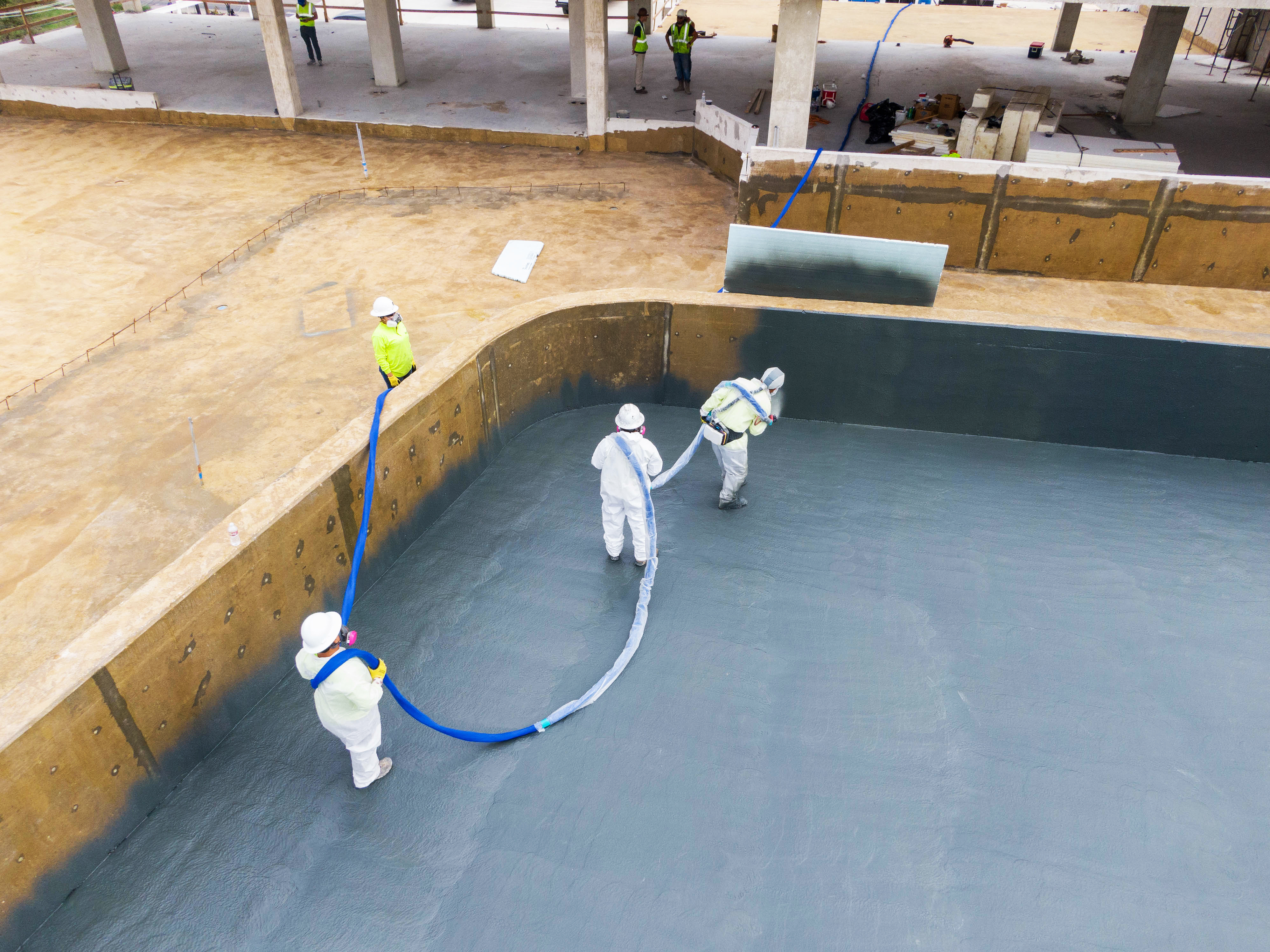
This course provides architects, specifiers, and design professionals with a comprehensive understanding of plaza deck performance requirements and the factors that influence plaza deck waterproofing system success.
Plaza decks are among the most demanding building assemblies, requiring durable waterproofing systems that protect occupied spaces below while withstanding environmental exposure, traffic loads, and long-term service demands. Participants will examine the roles of drainage design, movement accommodation, substrate conditions, and critical detailing in promoting waterproofing durability and service life. The course reviews common plaza deck assembly types – including protected membrane assemblies (PMA), split-slab assemblies, pedestal paver systems, and vegetated roof assemblies – and compares major waterproofing and traffic coating technologies. This comparison highlights capabilities, limitations, and appropriate applications. Attendees will learn to evaluate project-specific conditions and apply practical system selection criteria to identify appropriate waterproofing solutions based on assembly type, constructability, project constraints, and long-term performance objectives. The course also reviews quality assurance strategies, including flood testing, electronic leak detection (ELD), specification development, and construction-phase management.
 |
Jeremy Naves has over 15 years of experience in the building envelope industry, helping architects, engineers, consultants, and contractors develop practical solutions for complex building challenges. As an Architectural Sales Representative with Henry Company, he specializes in waterproofing and building envelope systems, partnering with project teams from design through construction to ensure long-term building performance. Jeremy is passionate about solving problems, building strong industry relationships, and helping clients bring successful projects to life. |
Henry, a Carlisle Company, is North America's leader in Building Envelope Systems®️, managing the flow of water, vapor, air, and energy from foundation to roof to ensure consistent, cost-effective, and superior building performance.
Originally published in Architectural Record
Originally published in August 2026
LEARNING OBJECTIVES
- Identify the key performance requirements of plaza deck assemblies to support pedestrian, landscape, recreation, or vehicular traffic, including moisture protection, durability, and long-term service-life expectations.
- Assess the impacts of drainage, movement, substrate conditions, and critical detailing on waterproofing system performance and longevity.
- Differentiate between major waterproofing and traffic coating technologies through evaluating capabilities, limitations, and best-fit applications.
- Apply practical system selection criteria to specify the most appropriate waterproofing solution based on assembly type, project constraints, constructability, and long-term performance goals.