Photo courtesy of GAF
Figure 1. Roll of PVC membrane.
Membrane Composition: Understanding PVC, PVC KEE, or KEE
Single-ply roof membranes are a common material of choice in the commercial roofing industry, comprising the majority of low-slope roof installations. Their popularity is driven by advantages such as ease of installation, cost-effectiveness, and durability, with some options also offering sustainability benefits[1].
Thermoset vs. Thermoplastic
One of the most important differences among single-ply roof membrane types is whether they are considered a thermoset or thermoplastic material. An EPDM (ethylene propylene diene monomer) membrane is an example of a thermoset material. During the manufacturing process, thermoset materials undergo a chemical change that makes them permanently “set” after their initial exposure to heat. They cannot be remolded or re-formed. Therefore EPDM, which is a thermoset, must have its seams glued or taped.
Thermoplastics, however, can be reheated and fused when exposed to high heat. This allows for welding of seams and detailing membranes. PVC (polyvinyl chloride), PVC KEE and TPO (thermoplastic polyolefin) are thermoplastics. With these materials, installers can weld the seams and detailing membranes, making a monolithic membrane.
Introduction to PVC
PVC is a plastic resin made from ethylene, derived from natural gas, and chloride, derived from salt water. It has many uses including pipes, windows and roof membranes. PVC roof membranes were first developed in Switzerland and Germany during the 1960s and arrived in the U.S. in the 1970s. As a thermoplastic, PVC offers the advantage of heat-welded seams, which creates a strong, continuous membrane across the roof. PVC roof membranes can be installed using mechanical attachment, induction welding, or adhesive. They are available in a range of thicknesses, from as low as 36 mils for KEE membranes, to more commonly 50, 60, or 80 mils. There are also membranes available with a fleece backing.
PVC is best known for its durability and chemical resistance, including types of oils and grease. Additionally, it has excellent fire to resistance properties. Most broadly available in white and other reflective colors, PVC is a popular choice among single-ply roof membranes for applications desiring a high Solar Reflective Index (SRI). Certain PVC membranes may contain recycled content, offering sustainability benefits in addition to performance. One of the drawbacks of PVC is that it is not compatible with asphaltic materials and can be prone to organic growth: the amount of growth is dependent upon the formulation and environmental conditions.
The long-term durability and maintainability of PVC comes down to what it’s made of - the composition of the membrane.
Plasticizers: Differentiating Between PVC and PVC KEE
In a PVC roofing membrane, plasticizers are required to provide flexibility to the PVC polymer; PVC without plasticizers is hard like a pipe. There are two primary classifications of plasticizers: liquid and solid. Currently, all types of PVC, including PVC KEE, membranes incorporate liquid plasticizers into their formulations to support manufacturability of the composite membrane.
The primary difference between a PVC membrane and a PVC KEE (Ketone Ethylene Ester) and a KEE membrane is the plasticizer that is added to the roof membrane to make it flexible. PVC uses only liquid plasticizers; PVC KEE and KEE membranes use solid plasticizers as well. Solid plasticizers form a matrix within the PVC polymer, which means it is not able to migrate out of the material over time.
Developed in the 1980s, PVC KEE contains a solid plasticizer that enhances the flexibility and long-term weatherability of the membrane. The result is a high-performing, durable roof solution. PVC KEE membranes can be mechanically attached, induction welded or adhered. The chemical resistance of PVC KEE and KEE membranes are usually superior to other single-ply roof membrane types. Thanks to their ability to be minimally impacted by substances such as jet fuel, oils, and grease, these membranes are especially well-suited for roofs on restaurants, airports and surrounding buildings, and other facilities with high exposure to contaminants[2]. PVC KEE membranes also have reduced dirt pick up compared to PVC. However, these additional benefits typically come at a higher cost than other single-ply membranes. PVC KEE membranes are available in similar colors and thicknesses as standard PVC – 50, 60, or 80 mil – with or without fleece backing, as well as KEE membranes at lower thicknesses.
ASTM Specifications for PVC and PVC KEE
There are two ASTM specifications for PVC, PVC KEE, and KEE materials. ASTM D4434 is the Standard Specification for Poly (Vinyl Chloride) Sheet Roofing; ASTM D6754 is the Standard Specification for Ketone Ethylene Ester Based Sheet Roofing.
ASTM D4434
ASTM D4434 covers flexible fiber- or fabric-reinforced membranes made from poly (vinyl chloride) resin. This specification requires that PVC is the primary polymer used in the single-ply roofing membranes. These membranes may or may not contain KEE.
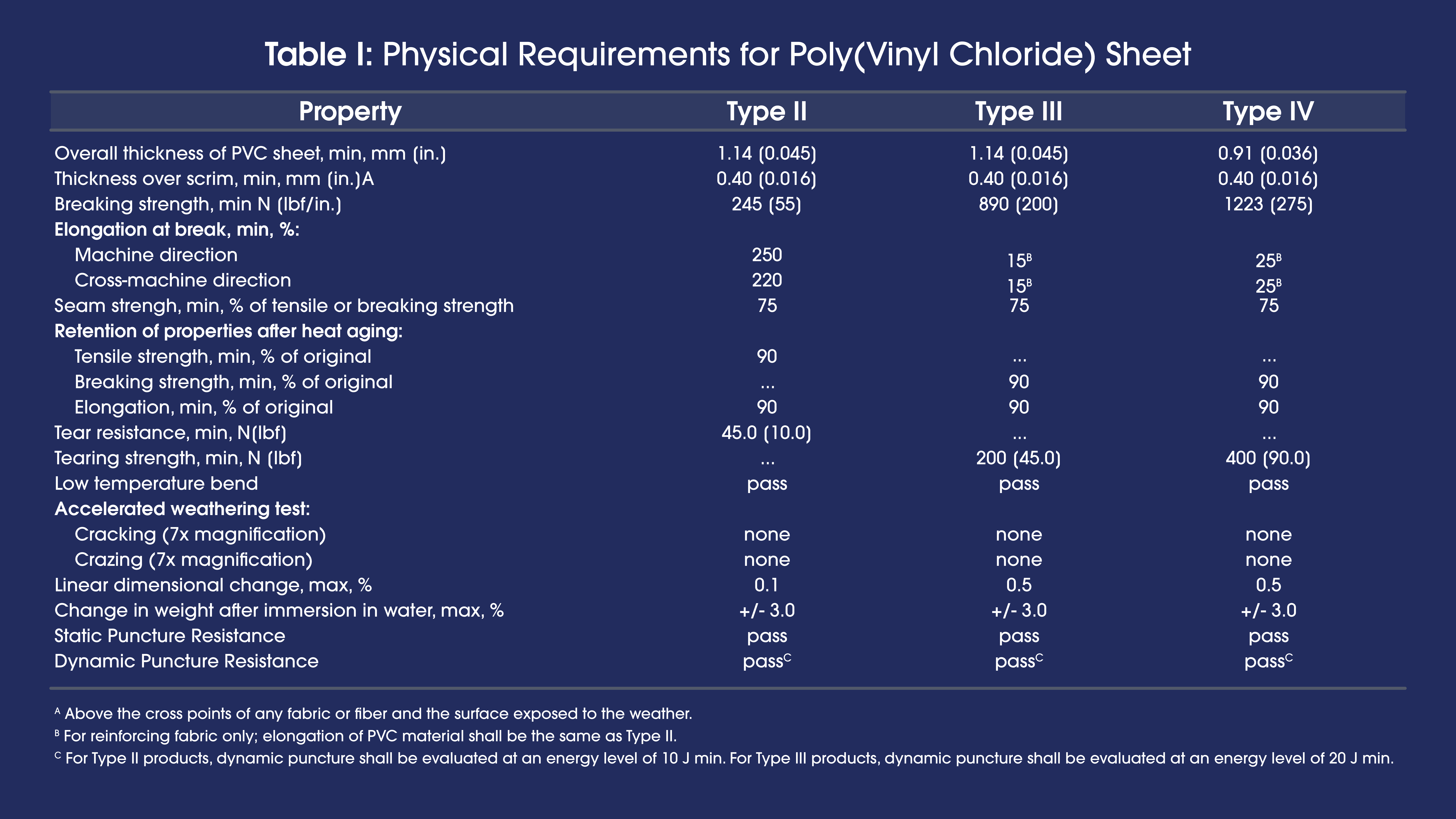
Figure courtesy of GAF
Figure 2. Physical testing requirements for PVC membranes per ASTM D4434.
The physical requirements to which the sheet materials are tested include: overall thickness and thickness over scrim, tensile strength at break, breaking strength, elongation at break, seam strength, retention of properties after heat aging, tear resistance and tearing strength, low temperature bend, cracking and crazing after accelerated weathering test, linear dimensional change, change in weight after immersion in water, and static and dynamic puncture resistance. Membranes are classified in three groups: II (fiberglass reinforced), III (polyester reinforced), IV (polyester reinforced). The Type I membrane classification was removed when un-reinforced PVC membranes were discontinued. Specifiers may choose a specific type of PVC depending on the project conditions.
The tested properties have different impacts on the in-situ performance of the membrane.
A membrane’s linear dimensional stability is important when it is faced with extreme temperatures, such as in Climate Zone 7 and above.
Tear resistance and breaking strength measurements provide information on how the membrane may perform in a mechanically attached assembly. This is due to how the membrane may billow or pull on the fastener penetration under wind loads.
Dynamic puncture resistance may be used to analyze how the membrane will perform under foot traffic, dropped tools, and other impacts. It is important to note that the testing within the specification is for the membrane only, not the full roof system. This is different from other impact testing, such as that for hail, which tests the full roof assembly.
PVC membranes classified as Type III and IV have better tear resistance, breaking strength, and dynamic puncture resistance performance than Type II, with Type IV having higher strength than Type III. They also tend to have broader flexibility in application, allowing for mechanically attached, induction welded or adhered application methods. Type II membranes must be adhered but have higher tensile strength numbers. However, the tensile strength test is different for Type II than for Type III and Type IV. The properties, test methods and minimum values can be referenced in Figure 2.
ASTM D6754
ASTM D6754 addresses KEE membranes. The difference between an ASTM D6754 KEE membrane and an ASTM D4434 PVC KEE membrane is the minimum ratio of PVC to KEE. A membrane may contain KEE and be classified under ASTM D4434, however, in order to meet ASTM D6754, KEE must be the primary polymer in the membrane.
ASTM D4344 requires at least 50% of the overall formulation be PVC, making it the primary polymer. ASTM D6754 states that at least 50% of the PVC portion of the formulation be KEE, making KEE the primary polymer. However, there is no minimum amount of PVC required, so the minimum percent of PVC plus KEE in the total formulation is not set. ASTM D6754 membranes may be smooth or fleece-backed.
ASTM D6754 has lower minimum requirements for properties such as thickness and thickness over scrim compared to ASTM D4434. However, the specifications contain similar requirements for breaking strength, linear dimensional change, puncture resistance and heat aging, depending on the Type referenced. There are additional properties tested for D6754 membranes, including fabric adhesion and abrasion testing.
PVC Roof Membrane Components
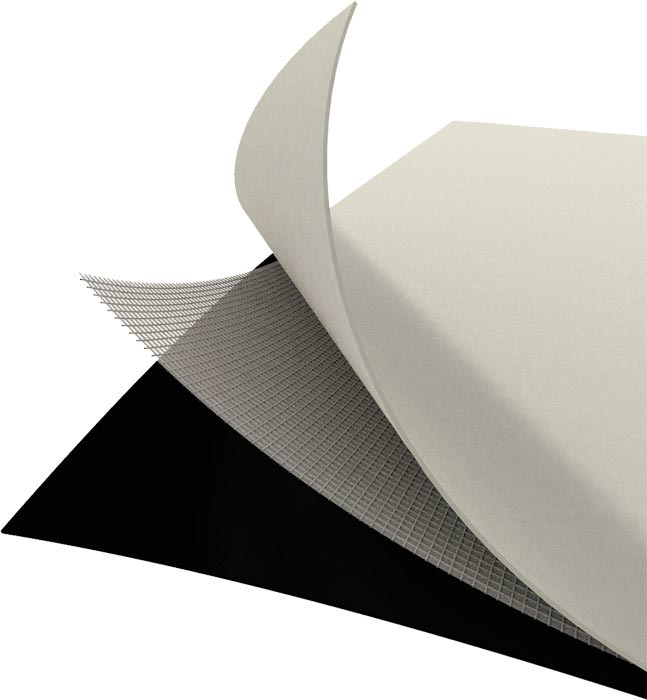
Figure courtesy of GAF
Figure 3. This image demonstrates the three layers of a PVC or PVC KEE membrane – the top ply, the scrim reinforcement, and the bottom core support.
PVC and PVC KEE membranes consist of three layers of components: the top ply, the scrim reinforcement, and the bottom core support, as shown by Figure 3. The top ply or cap is the reflective, weathering layer which includes heat and ultraviolet (UV) stabilizers. This layer often contains biocides to prevent fungal growth on the membrane over time. PVC membranes, like all thermoplastic membranes, are heavily reliant on the thickness and durability of the cap layer for their longevity and performance.
The reinforcing scrim is usually made from polyester or fiberglass. Polyester scrim typically has a wider matrix, which means that these membranes can be adhered or mechanically fastened to the roof. Examples include ASTM D4434 Type III and Type IV. ASTM D4434 Type II membranes contain a fiberglass scrim which has a much tighter fiber matrix and can typically only be adhered. Fiberglass is also the common reinforcement used in ASTM D6754 membranes. The bottom core support is a base polymer layer which is similar in polymer formulation to the cap, but without the additional ingredients to support weathering and fungal resistance. If these layers sound familiar, they are the same three layers that are also found in TPO membranes. This layering is typical of the makeup of all composite roofing materials.
Projects Where PVC is Beneficial
When choosing between single-ply roof membrane types, there are options to suit a wide range of project needs. Whether prioritizing chemical resistance, sustainability, or durability under heavy foot traffic, ponding water, or extreme weather, there’s a membrane designed to meet a project’s specific needs.
There are several ways to test for chemical resistance of membranes, with ASTM D5260, a test for Standard Classification for Chemical Resistance of Poly (Vinyl Chloride) (PVC) Homopolymer and Copolymer Compounds and Chlorinated Poly (Vinyl Chloride) (CPVC) Compounds being one of the most stringent. This test submerges the full membrane in the tested chemical for 30 days. A third-party study commissioned by GAF in 2025 highlighted the impacts of chemicals on the membranes. It tested peanut oil, jet fuel, lard and a synthetic compressor oil. The study showed that PVC KEE membranes in general had a lower percent weight loss when submerged in peanut oil and lard than PVC. Please refer to Figure 4. However, peanut oil and compressor oil had less of an impact on PVC than other chemicals tested. Based on these results, PVC KEE membranes are an excellent option for restaurants, food manufacturing, and food packaging facilities.
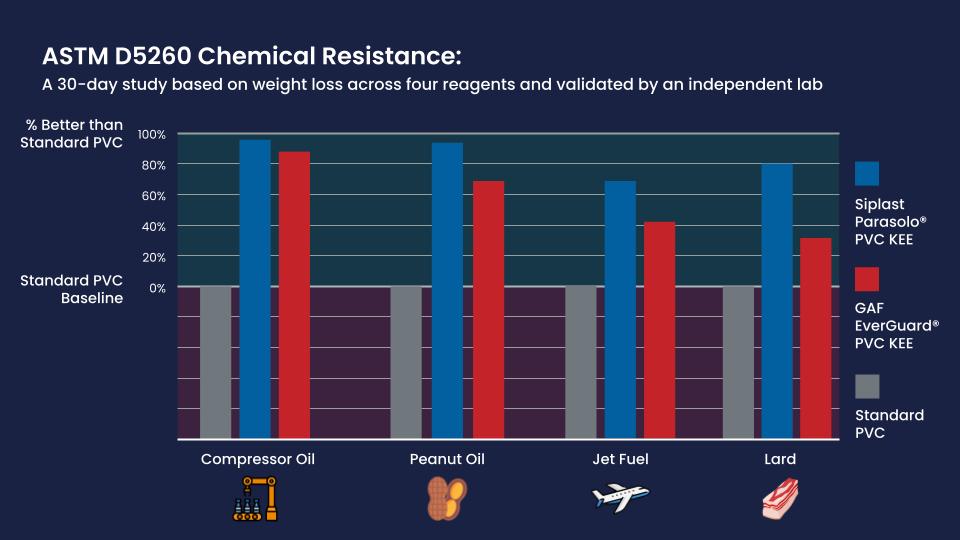
Figure courtesy of GAF
Figure 4. Table of chemical resistance of membranes.
PVC KEE is also resistant to petrochemicals, such as jet fuel and diesel and the exhaust from burning it. Truck stops are a place where PVC KEE is frequently used. Areas around airports or in flight paths, where resistance to jet fuel is needed to prolong the life of your roof, also benefit from PVC KEE. Jet fuel is one of the chemicals that shows variability in resistance between PVC and PVC KEE, and among different manufacturers. If this property is important for a project, talk to the manufacturer for data on the specific membrane.
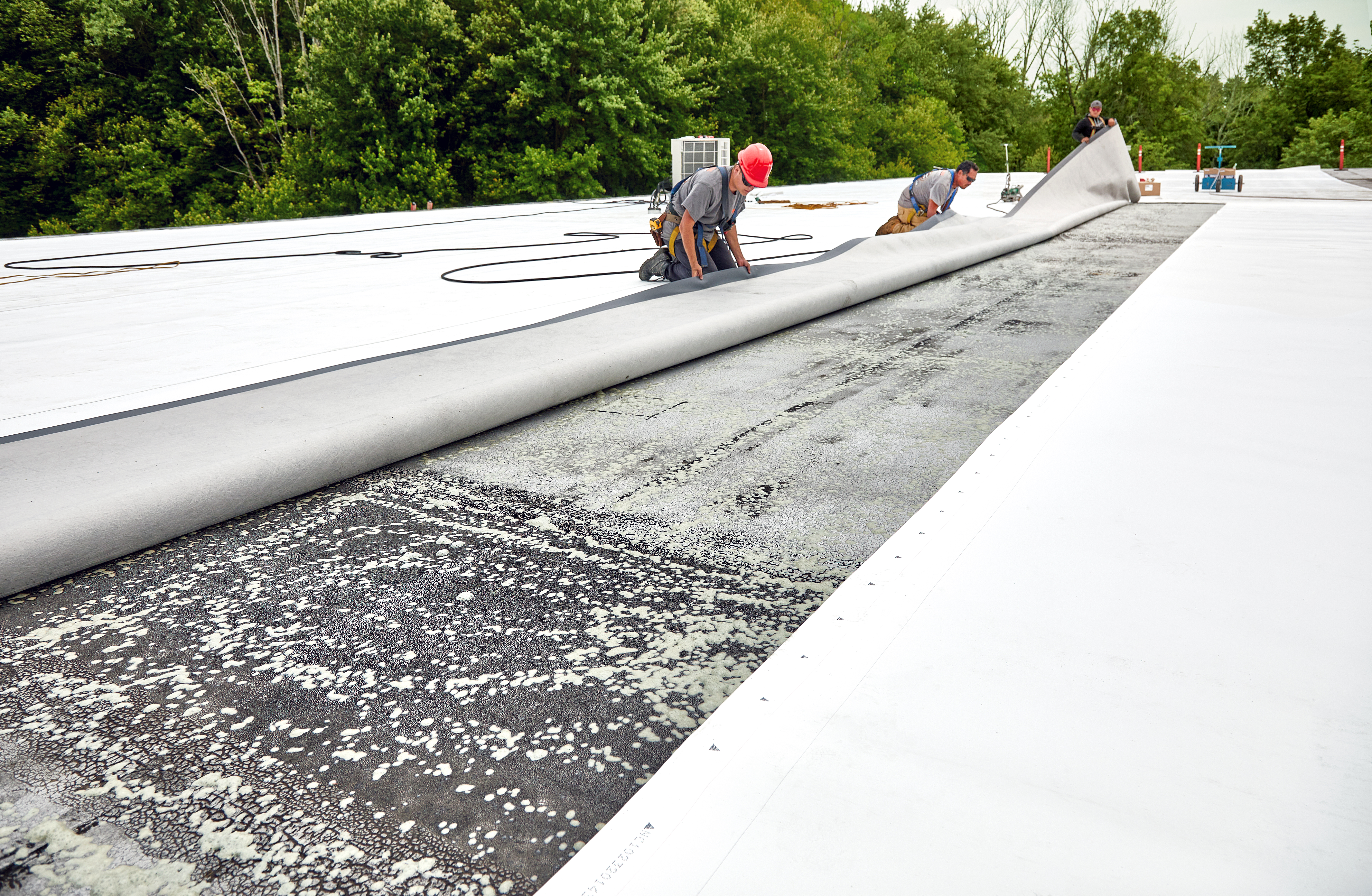
Photo courtesy of GAF
Figure 5. Depending on conditions, a fleece-back PVC or PVC KEE membrane can be installed as a new top layer without the expense and disruption of tearing off the entire roof.
PVC and PVC KEE membranes are an excellent fit for heavy manufacturing buildings, coastal industrial zones, and warehouses due to their resistance to a broad array of chemicals and pollution. Additionally, they have exceptional cold weather flexibility and many have long-term weathering and UV resistance surpassing the minimum requirements in ASTM D4434 for ASTM G154 and G155 testing.
PVC KEE in particular is highly reflective and stays cleaner over time compared to PVC. Thanks to a highly reflective, emissive white surface, these membranes have high SRI values, bringing potential cooling cost and urban heat island effect reductions. For information on long-term reflectivity, check out the Cool Roof Rating Council’s website for third party verified data on the specified membranes.
PVC and PVC KEE membranes also offer flexibility and long-term durability for educational and institutional structures. Due to their material properties, these membranes have the ability to accommodate multiple interior conditions under one roof. The membranes provide premium performance and are easy to repair. PVC and PVC KEE may offer superior fire performance compared to other non-PVC single-ply roofing technologies. In ASTM E108 testing, specific PVC KEE roofing assemblies meet Class A ratings and have demonstrated the capability to extinguish even when the flame source remains applied to the assembly.
PVC and PVC KEE membranes can also be a solution for recovering or reroofing existing buildings. If an existing built-up roof or modified bitumen roof is in relatively good condition with minimal underlying moisture, a fleece-back PVC or PVC KEE membrane can be installed as a new top layer without the expense and disruption of tearing off the entire roof, as shown in Figure 5. Additionally, the fleece-backed membrane can be adhered to the existing roof, minimizing any additional penetrations of the existing assembly.
Photo courtesy of GAF
Figure 1. Roll of PVC membrane.
Membrane Composition: Understanding PVC, PVC KEE, or KEE
Single-ply roof membranes are a common material of choice in the commercial roofing industry, comprising the majority of low-slope roof installations. Their popularity is driven by advantages such as ease of installation, cost-effectiveness, and durability, with some options also offering sustainability benefits[1].
Thermoset vs. Thermoplastic
One of the most important differences among single-ply roof membrane types is whether they are considered a thermoset or thermoplastic material. An EPDM (ethylene propylene diene monomer) membrane is an example of a thermoset material. During the manufacturing process, thermoset materials undergo a chemical change that makes them permanently “set” after their initial exposure to heat. They cannot be remolded or re-formed. Therefore EPDM, which is a thermoset, must have its seams glued or taped.
Thermoplastics, however, can be reheated and fused when exposed to high heat. This allows for welding of seams and detailing membranes. PVC (polyvinyl chloride), PVC KEE and TPO (thermoplastic polyolefin) are thermoplastics. With these materials, installers can weld the seams and detailing membranes, making a monolithic membrane.
Introduction to PVC
PVC is a plastic resin made from ethylene, derived from natural gas, and chloride, derived from salt water. It has many uses including pipes, windows and roof membranes. PVC roof membranes were first developed in Switzerland and Germany during the 1960s and arrived in the U.S. in the 1970s. As a thermoplastic, PVC offers the advantage of heat-welded seams, which creates a strong, continuous membrane across the roof. PVC roof membranes can be installed using mechanical attachment, induction welding, or adhesive. They are available in a range of thicknesses, from as low as 36 mils for KEE membranes, to more commonly 50, 60, or 80 mils. There are also membranes available with a fleece backing.
PVC is best known for its durability and chemical resistance, including types of oils and grease. Additionally, it has excellent fire to resistance properties. Most broadly available in white and other reflective colors, PVC is a popular choice among single-ply roof membranes for applications desiring a high Solar Reflective Index (SRI). Certain PVC membranes may contain recycled content, offering sustainability benefits in addition to performance. One of the drawbacks of PVC is that it is not compatible with asphaltic materials and can be prone to organic growth: the amount of growth is dependent upon the formulation and environmental conditions.
The long-term durability and maintainability of PVC comes down to what it’s made of - the composition of the membrane.
Plasticizers: Differentiating Between PVC and PVC KEE
In a PVC roofing membrane, plasticizers are required to provide flexibility to the PVC polymer; PVC without plasticizers is hard like a pipe. There are two primary classifications of plasticizers: liquid and solid. Currently, all types of PVC, including PVC KEE, membranes incorporate liquid plasticizers into their formulations to support manufacturability of the composite membrane.
The primary difference between a PVC membrane and a PVC KEE (Ketone Ethylene Ester) and a KEE membrane is the plasticizer that is added to the roof membrane to make it flexible. PVC uses only liquid plasticizers; PVC KEE and KEE membranes use solid plasticizers as well. Solid plasticizers form a matrix within the PVC polymer, which means it is not able to migrate out of the material over time.
Developed in the 1980s, PVC KEE contains a solid plasticizer that enhances the flexibility and long-term weatherability of the membrane. The result is a high-performing, durable roof solution. PVC KEE membranes can be mechanically attached, induction welded or adhered. The chemical resistance of PVC KEE and KEE membranes are usually superior to other single-ply roof membrane types. Thanks to their ability to be minimally impacted by substances such as jet fuel, oils, and grease, these membranes are especially well-suited for roofs on restaurants, airports and surrounding buildings, and other facilities with high exposure to contaminants[2]. PVC KEE membranes also have reduced dirt pick up compared to PVC. However, these additional benefits typically come at a higher cost than other single-ply membranes. PVC KEE membranes are available in similar colors and thicknesses as standard PVC – 50, 60, or 80 mil – with or without fleece backing, as well as KEE membranes at lower thicknesses.
ASTM Specifications for PVC and PVC KEE
There are two ASTM specifications for PVC, PVC KEE, and KEE materials. ASTM D4434 is the Standard Specification for Poly (Vinyl Chloride) Sheet Roofing; ASTM D6754 is the Standard Specification for Ketone Ethylene Ester Based Sheet Roofing.
ASTM D4434
ASTM D4434 covers flexible fiber- or fabric-reinforced membranes made from poly (vinyl chloride) resin. This specification requires that PVC is the primary polymer used in the single-ply roofing membranes. These membranes may or may not contain KEE.
Figure courtesy of GAF
Figure 2. Physical testing requirements for PVC membranes per ASTM D4434.
The physical requirements to which the sheet materials are tested include: overall thickness and thickness over scrim, tensile strength at break, breaking strength, elongation at break, seam strength, retention of properties after heat aging, tear resistance and tearing strength, low temperature bend, cracking and crazing after accelerated weathering test, linear dimensional change, change in weight after immersion in water, and static and dynamic puncture resistance. Membranes are classified in three groups: II (fiberglass reinforced), III (polyester reinforced), IV (polyester reinforced). The Type I membrane classification was removed when un-reinforced PVC membranes were discontinued. Specifiers may choose a specific type of PVC depending on the project conditions.
The tested properties have different impacts on the in-situ performance of the membrane.
A membrane’s linear dimensional stability is important when it is faced with extreme temperatures, such as in Climate Zone 7 and above.
Tear resistance and breaking strength measurements provide information on how the membrane may perform in a mechanically attached assembly. This is due to how the membrane may billow or pull on the fastener penetration under wind loads.
Dynamic puncture resistance may be used to analyze how the membrane will perform under foot traffic, dropped tools, and other impacts. It is important to note that the testing within the specification is for the membrane only, not the full roof system. This is different from other impact testing, such as that for hail, which tests the full roof assembly.
PVC membranes classified as Type III and IV have better tear resistance, breaking strength, and dynamic puncture resistance performance than Type II, with Type IV having higher strength than Type III. They also tend to have broader flexibility in application, allowing for mechanically attached, induction welded or adhered application methods. Type II membranes must be adhered but have higher tensile strength numbers. However, the tensile strength test is different for Type II than for Type III and Type IV. The properties, test methods and minimum values can be referenced in Figure 2.
ASTM D6754
ASTM D6754 addresses KEE membranes. The difference between an ASTM D6754 KEE membrane and an ASTM D4434 PVC KEE membrane is the minimum ratio of PVC to KEE. A membrane may contain KEE and be classified under ASTM D4434, however, in order to meet ASTM D6754, KEE must be the primary polymer in the membrane.
ASTM D4344 requires at least 50% of the overall formulation be PVC, making it the primary polymer. ASTM D6754 states that at least 50% of the PVC portion of the formulation be KEE, making KEE the primary polymer. However, there is no minimum amount of PVC required, so the minimum percent of PVC plus KEE in the total formulation is not set. ASTM D6754 membranes may be smooth or fleece-backed.
ASTM D6754 has lower minimum requirements for properties such as thickness and thickness over scrim compared to ASTM D4434. However, the specifications contain similar requirements for breaking strength, linear dimensional change, puncture resistance and heat aging, depending on the Type referenced. There are additional properties tested for D6754 membranes, including fabric adhesion and abrasion testing.
PVC Roof Membrane Components
Figure courtesy of GAF
Figure 3. This image demonstrates the three layers of a PVC or PVC KEE membrane – the top ply, the scrim reinforcement, and the bottom core support.
PVC and PVC KEE membranes consist of three layers of components: the top ply, the scrim reinforcement, and the bottom core support, as shown by Figure 3. The top ply or cap is the reflective, weathering layer which includes heat and ultraviolet (UV) stabilizers. This layer often contains biocides to prevent fungal growth on the membrane over time. PVC membranes, like all thermoplastic membranes, are heavily reliant on the thickness and durability of the cap layer for their longevity and performance.
The reinforcing scrim is usually made from polyester or fiberglass. Polyester scrim typically has a wider matrix, which means that these membranes can be adhered or mechanically fastened to the roof. Examples include ASTM D4434 Type III and Type IV. ASTM D4434 Type II membranes contain a fiberglass scrim which has a much tighter fiber matrix and can typically only be adhered. Fiberglass is also the common reinforcement used in ASTM D6754 membranes. The bottom core support is a base polymer layer which is similar in polymer formulation to the cap, but without the additional ingredients to support weathering and fungal resistance. If these layers sound familiar, they are the same three layers that are also found in TPO membranes. This layering is typical of the makeup of all composite roofing materials.
Projects Where PVC is Beneficial
When choosing between single-ply roof membrane types, there are options to suit a wide range of project needs. Whether prioritizing chemical resistance, sustainability, or durability under heavy foot traffic, ponding water, or extreme weather, there’s a membrane designed to meet a project’s specific needs.
There are several ways to test for chemical resistance of membranes, with ASTM D5260, a test for Standard Classification for Chemical Resistance of Poly (Vinyl Chloride) (PVC) Homopolymer and Copolymer Compounds and Chlorinated Poly (Vinyl Chloride) (CPVC) Compounds being one of the most stringent. This test submerges the full membrane in the tested chemical for 30 days. A third-party study commissioned by GAF in 2025 highlighted the impacts of chemicals on the membranes. It tested peanut oil, jet fuel, lard and a synthetic compressor oil. The study showed that PVC KEE membranes in general had a lower percent weight loss when submerged in peanut oil and lard than PVC. Please refer to Figure 4. However, peanut oil and compressor oil had less of an impact on PVC than other chemicals tested. Based on these results, PVC KEE membranes are an excellent option for restaurants, food manufacturing, and food packaging facilities.
Figure courtesy of GAF
Figure 4. Table of chemical resistance of membranes.
PVC KEE is also resistant to petrochemicals, such as jet fuel and diesel and the exhaust from burning it. Truck stops are a place where PVC KEE is frequently used. Areas around airports or in flight paths, where resistance to jet fuel is needed to prolong the life of your roof, also benefit from PVC KEE. Jet fuel is one of the chemicals that shows variability in resistance between PVC and PVC KEE, and among different manufacturers. If this property is important for a project, talk to the manufacturer for data on the specific membrane.
Photo courtesy of GAF
Figure 5. Depending on conditions, a fleece-back PVC or PVC KEE membrane can be installed as a new top layer without the expense and disruption of tearing off the entire roof.
PVC and PVC KEE membranes are an excellent fit for heavy manufacturing buildings, coastal industrial zones, and warehouses due to their resistance to a broad array of chemicals and pollution. Additionally, they have exceptional cold weather flexibility and many have long-term weathering and UV resistance surpassing the minimum requirements in ASTM D4434 for ASTM G154 and G155 testing.
PVC KEE in particular is highly reflective and stays cleaner over time compared to PVC. Thanks to a highly reflective, emissive white surface, these membranes have high SRI values, bringing potential cooling cost and urban heat island effect reductions. For information on long-term reflectivity, check out the Cool Roof Rating Council’s website for third party verified data on the specified membranes.
PVC and PVC KEE membranes also offer flexibility and long-term durability for educational and institutional structures. Due to their material properties, these membranes have the ability to accommodate multiple interior conditions under one roof. The membranes provide premium performance and are easy to repair. PVC and PVC KEE may offer superior fire performance compared to other non-PVC single-ply roofing technologies. In ASTM E108 testing, specific PVC KEE roofing assemblies meet Class A ratings and have demonstrated the capability to extinguish even when the flame source remains applied to the assembly.
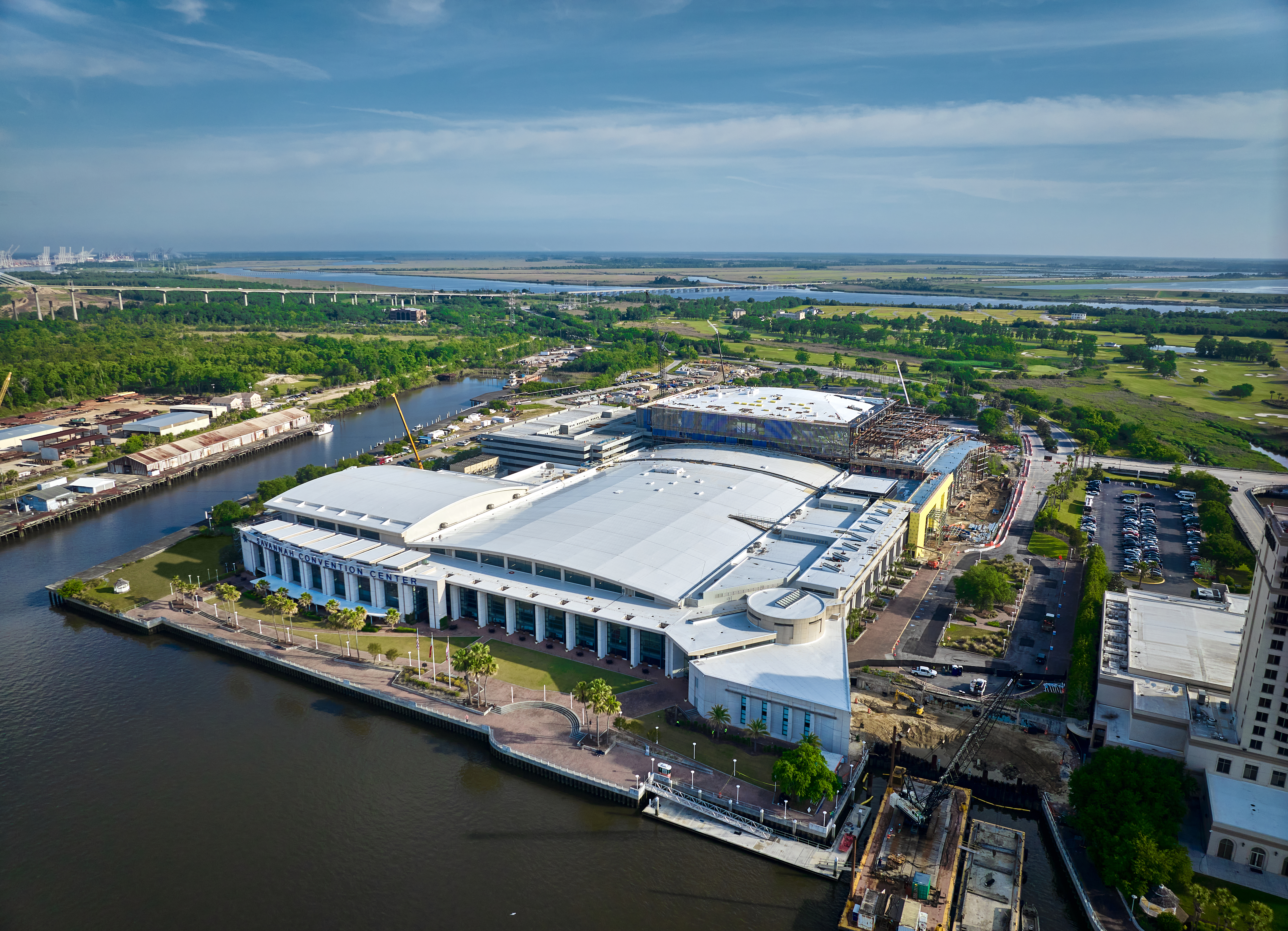
PVC and PVC KEE membranes can also be a solution for recovering or reroofing existing buildings. If an existing built-up roof or modified bitumen roof is in relatively good condition with minimal underlying moisture, a fleece-back PVC or PVC KEE membrane can be installed as a new top layer without the expense and disruption of tearing off the entire roof, as shown in Figure 5. Additionally, the fleece-backed membrane can be adhered to the existing roof, minimizing any additional penetrations of the existing assembly.
Preserving Design Intent for PVC Membranes
PVC and PVC KEE are single-ply roof membranes with known high performance. The benefits of PVC materials include excellent long-term weathering and UV resistance, high seam strength, as heat-welded seams provide greater seam strength compared to taped or adhered seams, enhanced, Class A fire protection in assemblies tested in accordance with ASTM E108, potential cooling costs reductions thanks to highly reflective and emissive surfaces; and guarantees available for up to 30 years for qualified systems.
However, the best design intent can be sabotaged by unclear or inconsistent specifications, leading to installed roof assemblies that do not meet the client’s performance requirements.
Designating Material Type
In order to preserve design intent through the construction process, clear specifications are key. This begins with determining and distinctly designating the preferred membrane type. Recall that PVC and PVC KEE can fall under ASTM D4434 and ASTM D6754 is only KEE, so it is critical that the design professional calls out the desired material in the specification. There are fewer materials on the market that meet ASTM D6754 than D4434, which may need to be considered when designing projects with minimums for the number of options listed in the specification.
If ASTM D4434 membranes are being specified, the preferred scrim type must be determined: whether polyester or fiberglass is desired. This is included in the specification by calling out the membrane Type. For Type II membranes, the scrim is fiberglass and must be adhered. Type III and IV membranes use a polyester scrim and can be adhered, induction welded, or mechanically fastened. If Type III or IV membranes are specified, the desired attachment method must also be set. The minimum thickness over scrim for PVC is specified as 16 mils in ASTM D4434. For ASTM D6754, the minimum thickness over scrim is just 6 mils. If a greater minimum is desired for the project, it is important for designers to call it out. Many specifiers prefer membranes where approximately half of the total membrane thickness (minus any fleece backing) is above the scrim as this provides a thicker wear layer for the membrane.
Addressing Material Performance Requirements
Within the specification language, other attributes and performance items important to the project need to be clearly stated. These include minimum SRI values, requirements for third party validated recycled content, and third party validated product-specific EPDs. Performance of the membrane should also be addressed.
Membrane testing per ASTM D5260 for chemical resistance should be required if that is an important property for the project. If the roof is expected to have a specific chemical exposure, it should be called out, as performance varies among manufacturers. Consulting with a manufacturer can help ensure that the correct membranes are specified to address specific concerns.
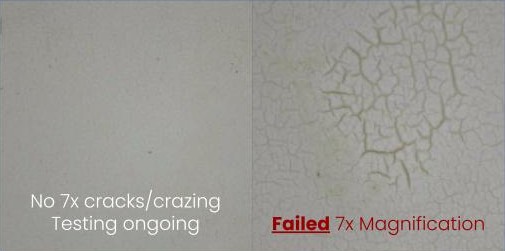
Photo courtesy of GAF
Figure 6. Photo illustrated results of accelerated aging testing of membranes.
Another performance property to clearly specify is accelerated aging per ASTM G154 and/or ASTM G155, wherein the membrane is evaluated using different parts of the UV spectrum and evaluated for cracking or crazing under 7x magnification, as shown in Figure 6. The two tests have differing methods for aging the membrane: ASTM G155 assesses the material after it cycles through 102 minutes of light and 18 minutes of water spray. ASTM G154 uses 8 hours of light exposure with 4 hours of condensation. Because the test methods are different, it is important to be specific to allow for comparison of any substitution requests. Third party testing has shown that most membranes on the market far surpass the minimum baseline set in the ASTM specification. Therefore, requiring a specific minimum amount of total exposure time, either in hours or KJ/nm/m2, instead of simply a “pass” allows for a higher baseline to be set.
Impact Resistance is also crucial. The specified membrane should be able to resist impact damage when tested in accordance with the “Resistance to Foot Traffic Test” in FM 4470. If hail resistance is important, FM hail testing is the recommended specification requirement instead of relying solely on a manufacturer’s individual requirements for hail. Further recommended performance requirements such as outdoor weathering, fungal growth resistance, and third-party validated solar reflective index (SRI) may be included depending on project priorities. Higher SRI values indicate potential energy savings; materials with higher aged SRI values also tend to have reduced dirt pickup.
Specifying Attachment Method
The preferred roof assembly attachment method will typically be influenced by the building type and location, the rest of the roof assembly, the construction schedule and cost. The most common single-ply roofing attachment methods are mechanical, induction-welded, and adhered. Depending on the unique circumstances of the project, it may also make sense to employ a hybrid approach, or a selecting different attachment methods for different layers of the assembly.
Mechanical attachment uses mechanical fasteners, usually screws, set through metal plates designed to help spread the force imposed on the membrane, making the attachment secure while reducing the stress on the membrane. The type and size of the fastener is determined by the roof deck material and the thickness of the total roof assembly. The fastener pattern and spacing is specified by the roofing manufacturer based on the required wind design loads and is often subject to local code requirements. Mechanical attachment is the most common single-ply roofing attachment method since it is fast, economical, and can be installed in various temperatures. However, in conditions of high wind uplift, or where the roof deck is not airtight, membranes installed mechanically may be subject to billowing. Billowing is caused by crosswind uplift forces moving over the roof pulling air into the roof assembly, causing the membrane to lift and flutter, as shown in Figure 7. In addition, fasteners may subject the roof membrane to premature damage from hail or heavy foot traffic if those conditions are present.
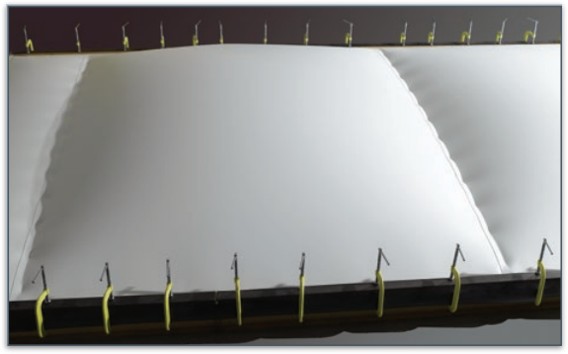
Photo courtesy of OMG
Figure 7. It is critical to understand wind conditions and the potential for uplift when deciding on roof attachment specification.
Induction welding is a type of mechanical attachment that uses numerous heat-welded attachment points that form strong bonds throughout the field of the roofing membrane. It uses a portable electromagnetic induction tool to weld specially coated mechanically attached plates on the surface of the insulation or coverboard to the underside of a PVC roof membrane, thus securing the membrane without the need for further penetrations. Induction welding can be more economical than mechanical attachment because the same plates can be used to attach both the insulation and the membrane. It has the added advantages of having no fasteners through the membrane and strong wind uplift resistance due to more attachment points of the membrane compared to mechanically attached systems. This also reduces the height of any membrane billowing.
An adhered membrane is one in which an adhesive is applied to the underside of the membrane, to the insulation or coverboard directly beneath the membrane or both. When both membranes and the coverboard or insulation below the membrane are adhered, there are no fasteners directly below the membrane. Additionally, adhered membranes provide exceptional wind uplift resistance by evenly distributing wind pressure across the membrane and also reducing membrane billowing. Adhesives may also be a preferred attachment method on concrete decks where mechanical attachment can be difficult.
For roofs exposed to severe hail or heavy foot traffic, an adhered or hybrid system may offer better protection by burying vulnerable fasteners within the assembly. In more moderate environments, a standard mechanically attached system may be the quickest and most cost-effective choice [3].
Finally, preferred detailing items need to be indicated, such as the use of liquid or preformed detailing of penetrations, or a requirement for pre-manufactured ES-1 Edge Metal.
Quality Control & Additional Specification Considerations for PVC Projects
Successful roof assemblies depend on robust details. This includes planning for penetrations through the field of the roof, base-flashing, and termination details and edge metal selection.
Ultimately, specifications and quality control measures are focused on one goal: helping architects, specifiers, and the roofing design and installation team achieve a successful project outcome through a high-performing PVC roofing system.
Detailing
The most common solution for sealing penetrations through the field of the roof of a single-ply membrane is to use the same material for the penetration as for the roof. The penetration can be sealed using field-fabricated detailing for corners and pipe boots, or installers can use pre-manufactured accessories. Pre-manufactured pipe boots, corners, and scuppers reduce the installation time compared to field-fabricated details and are less reliant upon workmanship. Another option for penetration details is the use of liquid-applied materials such as PMMA (Polymethyl methacrylate) or PUMA (polyurethane methacrylate). PMMA is not compatible with TPO membranes but can be an effective option for complex details through PVC membranes, as seen in Figure 8. Liquid flashing systems often require a layer of mesh or fleece reinforcement to be embedded in the liquid to provide additional robustness, but it may still be a faster, more water-tight installation on irregular and complex details.
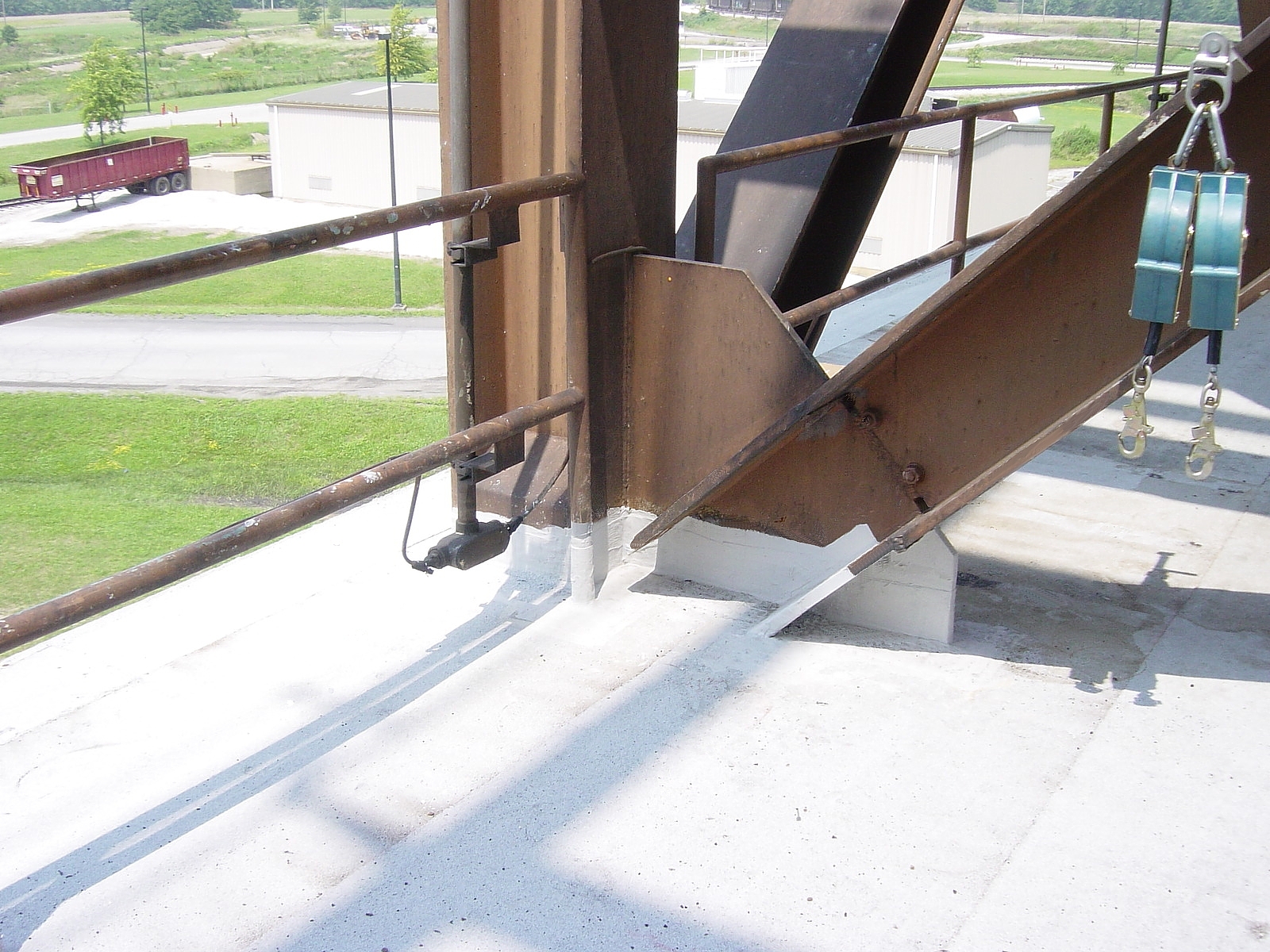
Photo courtesy of Siplast
Figure 8. PMMA offers a compatible option for PVC membrane details.
Securing the edge of the roof is just as important as making the field of the roof watertight. This requires the use of base flashing and attachment around the roof perimeter, as well as the use of termination bars in many parapet conditions. Finally, the selection of an edge metal assembly that meets the wind design loads for the project is critical. The edge is frequently the first point of failure during a high-wind event, so the design and selection can have a strong impact on the life-expectancy of the roof assembly. The building code requires the use of ES-1 compliant edge metal, which can be easily accomplished using pre-manufactured materials.
For additional information on these topics, please visit https://digital.bnpengage.com/ips-building-science-survival-guide-0325/.
Addressing Ponding
Since bulk water from rain and melting snow collects more quickly and drains more slowly on low slope roofs than on roofs with a higher slope, low-slope roofs can be susceptible to ponding or standing water. Ponding water can result in premature deterioration of some roofing membranes. PVC and PVC KEE membranes are durable under ponding water conditions.
The movement of water off the roof can be assisted using tapered polyiso insulation, which can help improve drainage by directing the flow of water to drains. Because of their flexibility, durability, and heat-welded seams, both PVC and PVC KEE work well with tapered insulation.
Installation and Visual Quality Control Points
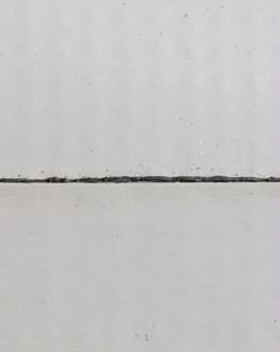
Photo courtesy of GAF
Figure 9. The “bleed out” visible from the core of a PVC membrane that occurs when welding seams.
One difference when installing PVC versus TPO is how it welds. When welding PVC seams, an observer will see smoke as well as “bleed out” of the core of the membrane at the edge, as seen in Figure 9. These are two things that do not happen when welding TPO. Additionally, because the scrim used in PVC is coated to be non-wicking, a cut edge sealant is not typically required, unlike for many types of TPO.
If a PVC seam is heated too much, the inspection team will see a yellow-brownish tint in the bleed out. That indicates overheating of the membrane and that the team should check the weld strength of that seam.
For PVC-KEE membranes, the material can be more challenging to weld, as it has a smaller weld window, or a smaller temperature range that the material needs to reach in order to weld properly. This increases the importance of doing weld-window tests prior to starting work and during the day whenever working conditions change.
As discussed, mechanically attached PVC roofing systems can be installed quickly and cost effectively. However, mechanically attached systems may have lower wind uplift resistance compared to adhered or induction welded systems. Building codes and manufacturer specifications can provide guidance on how many fasteners are needed per square foot to meet the necessary uplift requirements. A higher number of fasteners may be necessary in high-wind areas and with specific insurance company requirements.
PVC and PVC KEE may also be induction welded. An induction welded option uses the same plate to fasten both the insulation to the structural deck and the membrane to the insulation. After the PVC membrane is rolled out over the insulation boards, the seams are welded. An electromagnetic induction tool is then used to weld the membrane to the plate below, creating strong attachment without penetrating the membrane itself.
Finally, some PVC roofing installations rely on adhesives to attach the membrane to the insulation board. In an adhered membrane application, the PVC membrane is adhered to the insulation or cover board directly below the membrane. However, the use of adhesives to install the membrane may not entirely eliminate the need for fasteners in the system. Many adhered installations still rely on fasteners to attach at least one layer, such as the insulation board to the structural deck.
Manufacturers are developing new solutions to help contractors efficiently adhere PVC membranes. Quick‑lay adhesives provide a one-sided, wet lay-in, water-based adhesive useful for bonding smooth PVC membranes to various substrates. Spray adhesive technologies create a sprayable, solvent-based contact adhesive useful for bonding smooth PVC and PVC KEE membranes to various substrates. Both quick-lay adhesives and spray adhesives provide faster membrane installation than traditional solvent-based bucket and roller bonding adhesives.
The best attachment method for any PVC installation will depend on the building’s location and function as well as any special weather conditions. For example, a concrete deck lends to the adhesive attachment of the PVC. If a metal deck is used, the use of a coverboard and mechanically attached PVC may be a more cost-effective option. Likewise, the presence of an existing asphalt roof acts as a second air barrier in the assembly to prevent uplift, meaning mechanical attachment may be a viable option with new PVC membrane recover. Regardless of installation method used, manufacturer instructions must be followed and inspection should occur during installation to ensure quality control.
Hybrid Assemblies
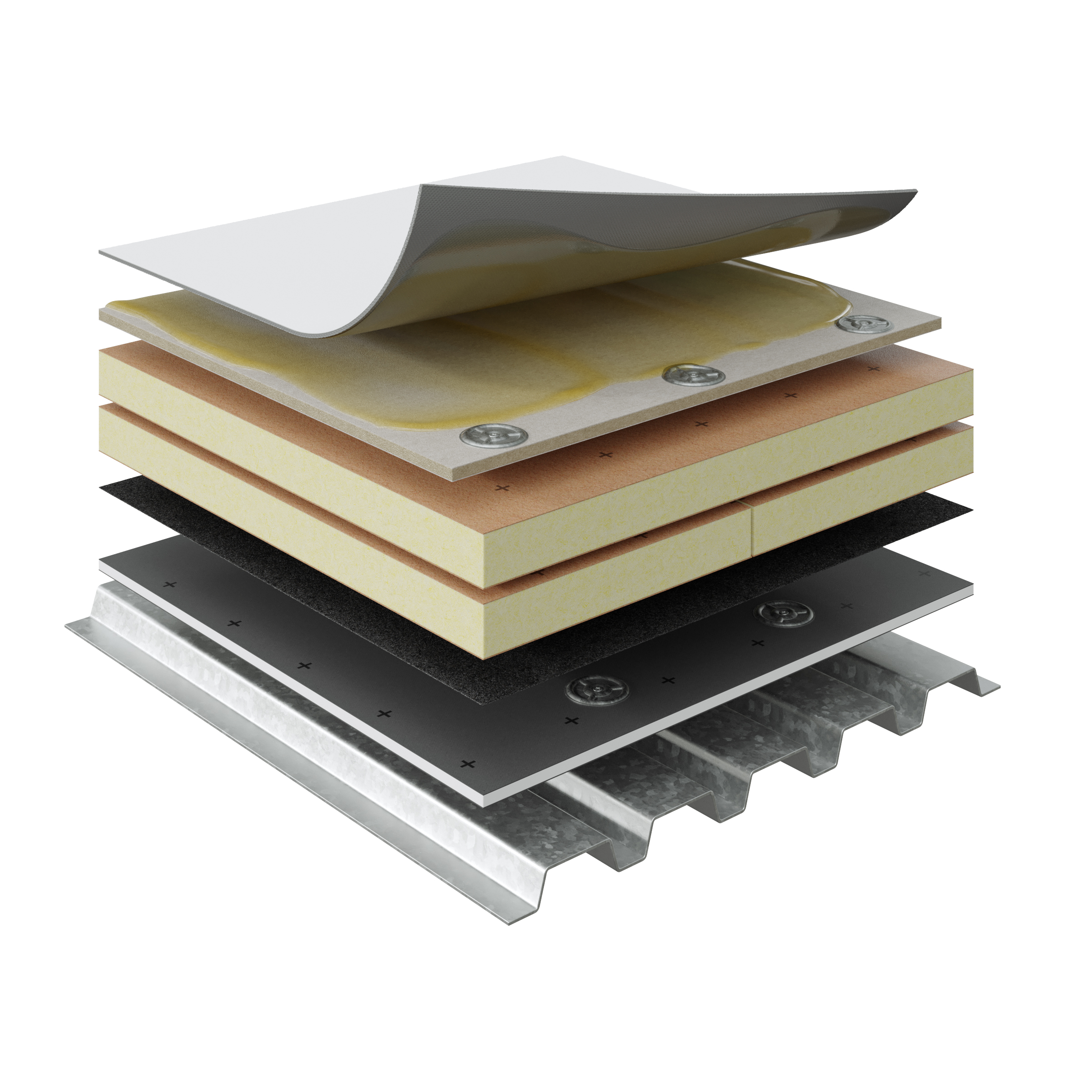
A hybrid roof assembly is where two roofing membranes, composed of different technologies, are used in one roof system. One such assembly uses a base layer consisting of a modified bitumen membrane with a cap layer of a reflective single-ply membrane, such as a fleece-back TPO, PVC or PVC KEE. For instance, a two-part low rise foam adhesive is used to adhere fleece-back PVC membranes directly over an asphaltic system, as shown in Figure 10.
These types of systems are ideal for facilities where durability of the assembly and a low risk tolerance for leaks are a priority. Each element of the roof system is chosen for its material strengths, and together, the system combines the best of the technologies involved. A hybrid system tends to have increased robustness, with effectively two plies or more of membrane. With base layers consisting of modified bitumen and a cap layer of PVC, the project gains the multi-layer redundancy of an asphalt roof system, but also receives the durability, ease of repair, and water, chemical and fire-resistant properties of PVC or PVC KEE.
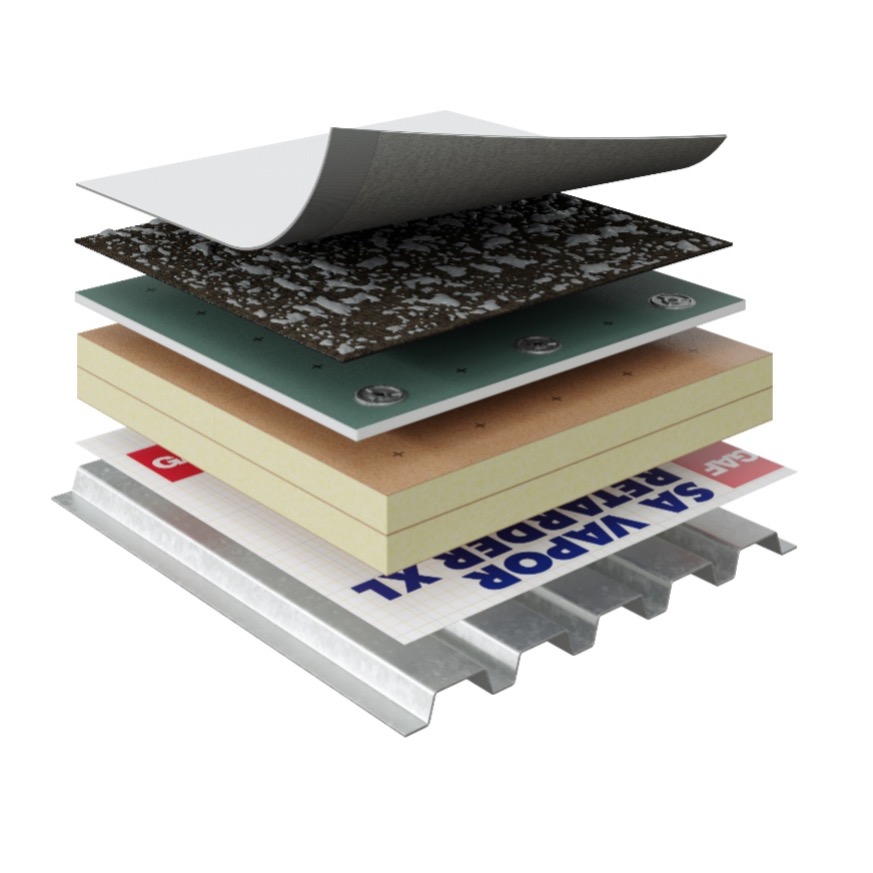
Photo courtesy of GAF
Figure 10. Hybrid roof assemblies offer the design team multi-faceted advantages to combat unique challenges.
Re-Roofing
The same principles at play in a hybrid roof also apply in roof-recover scenarios where there is an existing asphaltic roof. The design team can convert an existing roof with a single asphalt membrane system into a hybrid roof with a fleece-back PVC recover, provided that the existing roof structure is in good condition and that the existing roof assembly is dry. PVC or PVC KEE membranes can be installed more quickly and economically than some other roof systems, making them excellent choices for reroofing existing buildings. They can also improve building energy costs through their high SRI, which helps to minimize cooling needs. In colder climates (especially Climate Zone 5 and above), care should be taken to ensure air intrusion into the roof assembly is minimized when the color of the roof assembly is changed from one with low emissivity to high emissivity.
Compatibility Considerations
There are compatibility considerations when using PVC membranes. The design team should ensure that their roofing system prevents contact between a new PVC membrane and an old PVC, polystyrene (such as EPS or XPS), and asphaltic and bituminous materials. These materials will leach plasticizers from the PVC or have material stability issues themselves. When incompatible materials are forced into contact, deleterious results can occur quickly, even within a year. One solution to prevent contact is to use a fleece-back membrane, where the fleece-back acts as the separation layer. Another method to prevent PVC contact with incompatible materials is to install a slip sheet or coverboard to separate the systems.
Conclusion
Single-ply roof membranes are ubiquitous in the commercial roofing industry, comprising most low-slope roof installations. Within this product category, PVC and PVC KEE membranes provide very robust roofs with resistance to a number of chemicals and oils when compared to other single ply membranes. PVC and PVC KEE roofs offer exceptional longevity advantages and, in the case of KEE, may have lower dirt pickup than some other membranes. Specifying these materials enhances flexibility, long-term weatherability, and UV resistance of the membrane. The result is a high-performing, durable roof solution.