Cold Storage Roofing Design
Controlling Moisture, Air, and Thermal Performance
Sponsored by Elevate
There is no audio associated with this presentation.
Cold storage facilities support many of the systems people rely on every day, from food distribution and agriculture to pharmaceuticals, biotechnology, and vaccine storage. These buildings operate under demanding conditions, maintaining large temperature differences between the interior and exterior around the clock. That constant pressure places significant demands on the building enclosure, especially the roof.
This course looks at how cold storage roofs are designed to manage moisture, air movement, and thermal separation. It explains how water, air, vapor, and insulation layers work together, and why small gaps at penetrations, transitions, and connections can create major performance problems.
The course also covers the kinds of buildings, roof assemblies, and construction details commonly found in cold storage projects. It looks at how insulation, attachment methods, penetrations, and transitions are handled, along with some of the issues that can develop when those details are missed or poorly coordinated. Using project examples and case studies, the course ties these concepts back to design and construction decisions, helping architects better understand how cold storage roofs manage moisture, maintain thermal separation, and support reliable building operation.
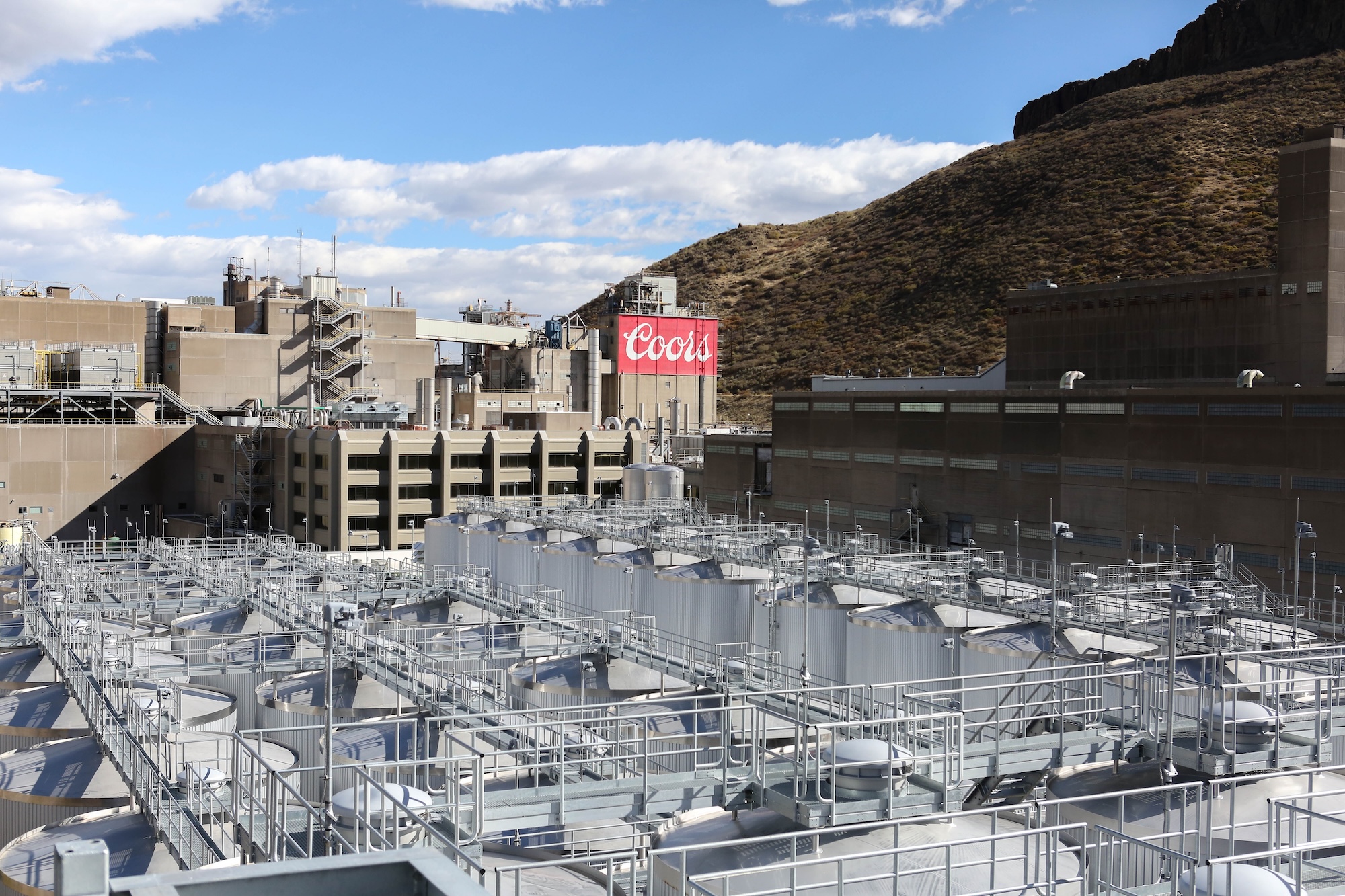
Photo courtesy of Elevate
The Molson Coors G150 Brewery in Golden, Colorado

For over 45 years, Elevate Commercial Roofing Systems has delivered a comprehensive and trusted portfolio of commercial roofing systems - including EPDM, TPO, PVC, metal, asphalt, polyiso, and more. While our focus continues to be on smart, reliable, and sustainable solutions for our customers and communities, the same stands true for our commitment to continuing education. Through our wide range of accredited American Institute of Architects (AIA) courses, Elevate is dedicated to keeping you informed and equipped for success.
Originally published in Architectural Record
Originally published in June 2026
LEARNING OBJECTIVES
- Identify types of cold storage facilities and trends
- Evaluate roof design impact on energy and performance
- Assess control layer continuity
- Examine installation errors and best practices