Understanding Building-Integrated Photovoltaics
Learn how BIPV rainscreen facades can boost sustainability, cut costs, meet codes, and improve durability and performance
Sponsored by Elemex Architectural Facade Systems | Presented by Hugh Lowry
Live Webinar Airing on October 22, 2026 at 02:00 PM ET
This presentation will offer an overview of rainscreen technologies being used to incorporate BIPV into a building’s façade. We will discuss the important role onsite power generation can play in creating positive environmental impacts, contributing to LEED certification goals, and positively impacting costs associated with energy use.
We will look at the components required to successfully install and operate a BIPV system, as well as some of the design consideration architects should pay attention to in order to maximize solar capture and system performance. Also, this content will address how BIPV facades can meet or beat applicable standards and building codes.
Finally, this presentation will discuss the advantages of solar facades that are specified with a pressure-equalized rainscreen solution, and how this option provides a more durable and sustainable system.
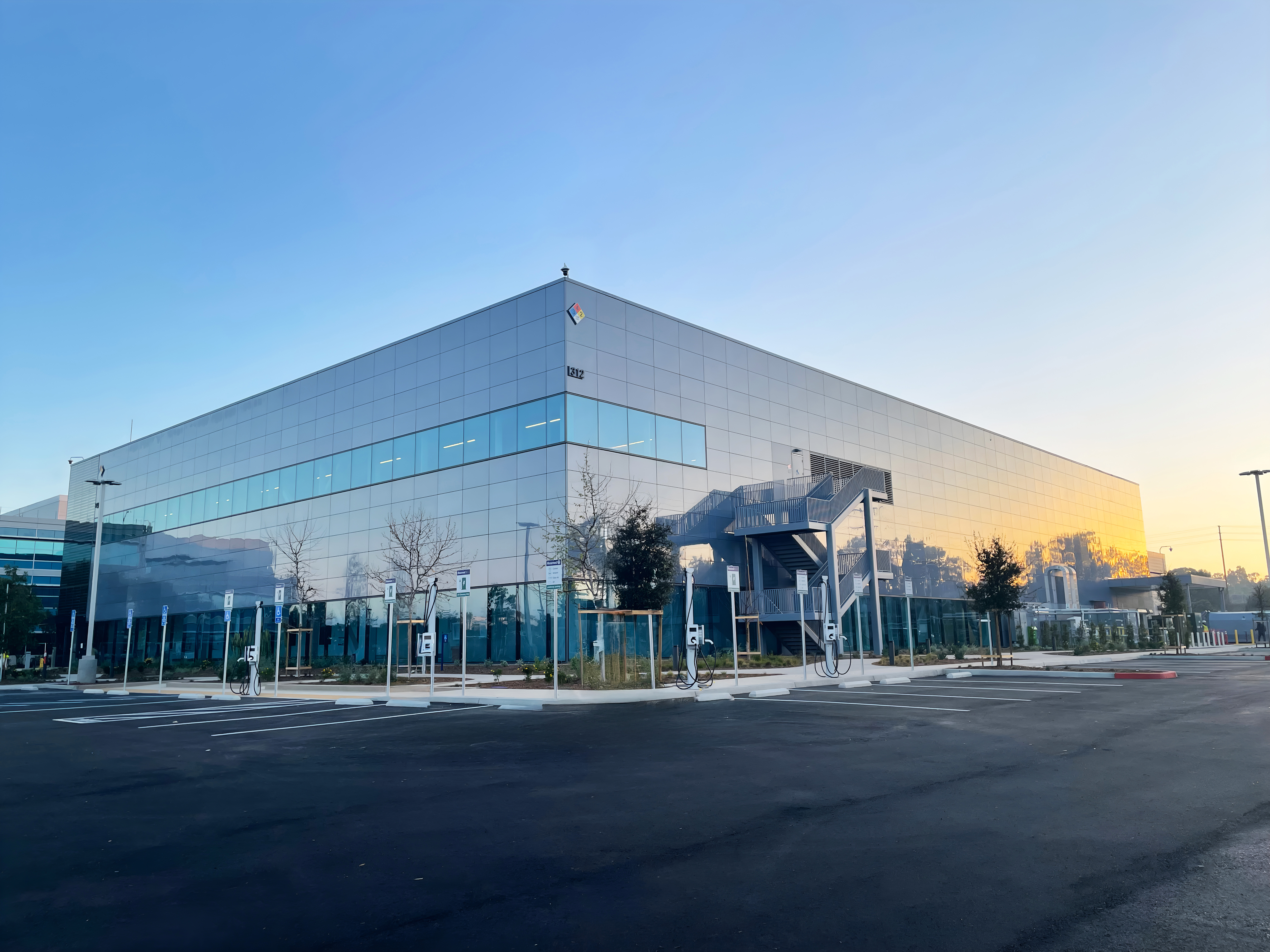
Photo courtesy of Elemex
 |
Hugh Lowry is the Technical Sales and Engineering Manager at Elemex. Hugh has an engineering background and extensive experience in sustainable design, specializing in advancing building-integrated photovoltaic (BIPV) technologies with a focus on Elemex’s innovative Solstex®️ system. Hugh holds a Bachelor of Applied Science degree from Queens University, focused on computational studies and fluid dynamics. He has also completed his Masters in Engineering from Western, with a focus on solar photovoltaic and solar thermal systems. Hugh’s work experience encompasses solar solutions of varying backgrounds, from ground mounted solar farms to building integrated solutions. Direct to grid, or battery storage – Hugh is a knowledgeable resource when harnessing the sun’s energy. He works closely with architects, developers, and builders to deliver energy-efficient, aesthetically pleasing solutions that help achieve net-zero building goals. An advocate for reducing our carbon footprint, Hugh is passionate about driving the adoption of renewable energy in the construction industry. He supports projects from design through certification to ensure high performance and sustainability. |

Elemex offers the architectural industry new design possibilities with code compliant facade systems that are tested on our proprietary Unity integrated attachment technology. With Unity, we are capable of panelizing and seamlessly integrating a wide variety of facade surfaces, giving you limitless design flexibility. Our systems are backed by comprehensive support across North America with our 360° Advantage.
Originally published in Architectural Record
Originally published in July 2026
LEARNING OBJECTIVES
- Discover the key differences between applied and integrated solar photovoltaic systems, and recognize the advantages of integrated solar.
- Discuss the benefits of photovoltaic facades to the environment, and demonstrate how BIPV facade systems can contribute to LEED certification goals for architects and owners.
- List the components and possible attachment methods available for a successful design and installation of a BIPV facade system.
- iscuss the applicable standards and codes associated with modern BIPV facade systems.