Glazed Interior Partition Systems: Fundamentals of Aesthetics and Function
Learn to select the right interior glazed walls to meet the aesthetic and performance objectives of commercial projects
Sponsored by CRL | Presented by Sherry Beauvais
Webinar On-Demand
Interior glass partition systems can transform spaces by improving daylighting, transparency, acoustic privacy, and aesthetics. They are commonly specified in offices and other commercial interiors to define spaces, create multifunctional areas, and improve occupant comfort. This course will provide a thorough review of interior glass partition systems including system types, door hardware selection, glass size limitations, and enhancing acoustic performance.
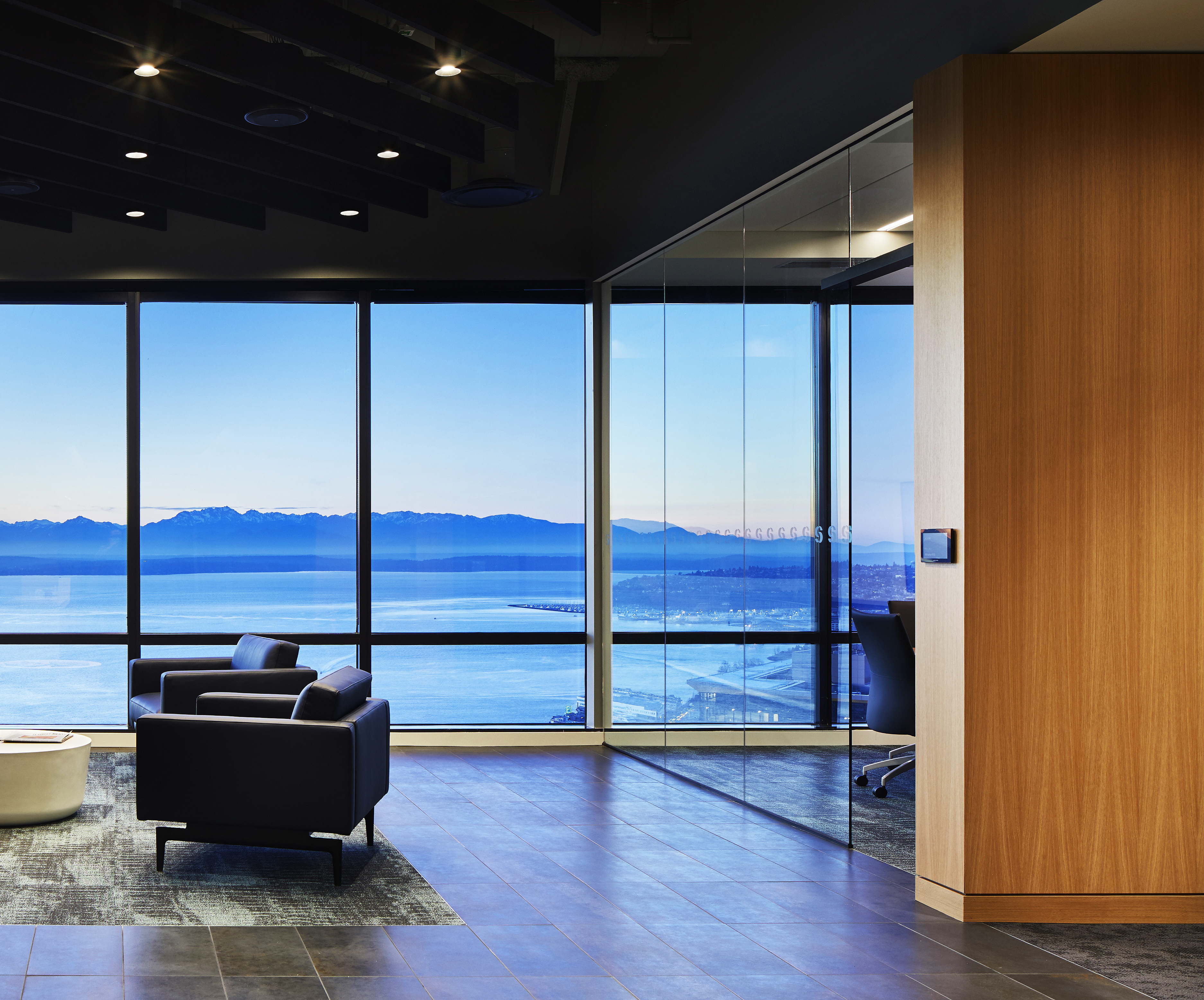
Photo courtesy of Benjamin Benschneider
 |
Sherry Beauvais has over 25 years of experience in technical architectural consultation for companies specializing in building materials manufacturing. She began her education and career as a commercial interior designer with a degree from Louisiana State University. In her current role as architectural design manager for CRL, Sherry assists architects, interior designers, and general contractors in executing their project visions using innovative glass and glazing system solutions. |

CRL is the industry’s leading, full-service provider of architectural metals, glass fittings, and professional-grade glazing supplies. The company leverages more than 50 years of experience and a track record of industry firsts to offer a one-stop shop with a breadth of innovative product choices. Expert support from specification to installation, and fast, reliable service help customers complete projects on time and on budget. CRL focuses on expanding opportunities for all to turn bold architectural visions into real world experiences.
Originally published in Architectural Record
Originally published in April 2026
LEARNING OBJECTIVES
- Review design considerations and applications for various interior glass partitions, as well as the door and hardware components you must specify to better meet the design and functional needs of a project.
- Examine the role of glass partition systems in interior spaces, the advantages of different system types, and the concept of demountable wall systems, including their tax depreciation benefits.
- Explore how interior glass partition systems improve the overall function of a space including acoustics, privacy, daylighting, and corporate culture.
- Discover Glass Association of North America (GANA) guidelines and ADA considerations that will ensure your system is safe, accessible, and compliant.