Built for Learning
Concrete Masonry and Resilient K-12 Schools
Sponsored by Concrete Masonry Checkoff | Presented by Lauren Kennedy
Live Webinar Airing on October 14, 2026 at 02:00 PM ET
This course will provide architects, engineers, and interior designers with the necessary tools to design more resilient K-12 buildings that foster healthier learning environments and safer spaces utilizing concrete masonry. Attendees will learn about structural, acoustic, and fire-resistant properties of CMU while exploring how it impacts first cost, life-cycle costs, and multiple building products and systems. Explore ways masonry will contribute to your sustainability goals through topics like resilience, embodied carbon, and carbon sequestration.
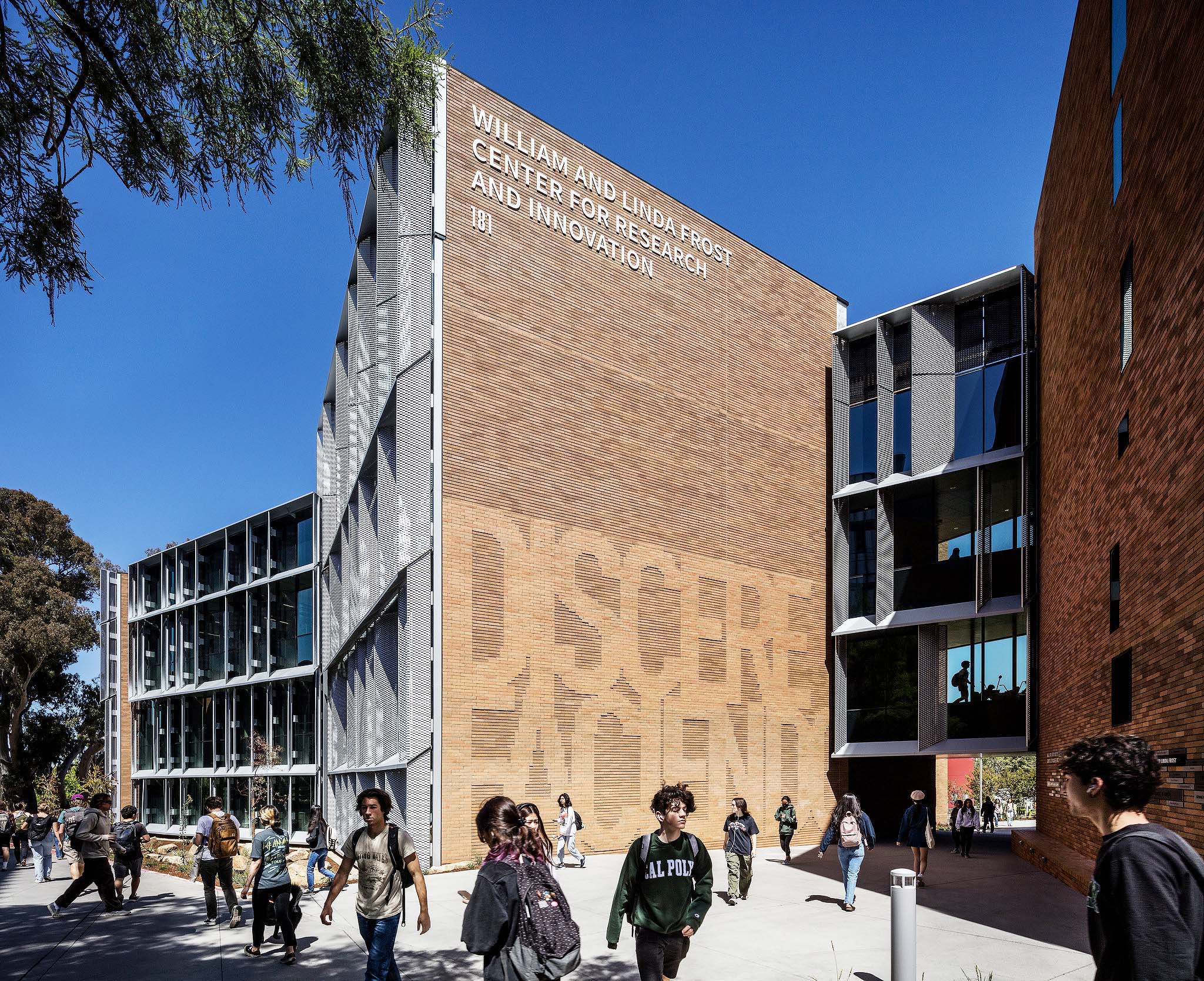
Photo courtesy of ©️Magda Biernat/OTTO
 |
Lauren Kennedy is a civil engineering professional with experience delivering and managing large-scale infrastructure projects across both the public and private sectors. She joins the Block Design Collective after a career spanning project engineering and program management roles, including work with Kiewit, MWH Constructors, and the Federal Aviation Administration, where she supported airport development and stakeholder training initiatives. As a member of the Block Design Collective, a national design assistance program supported by the Concrete Masonry Checkoff, Lauren partners with project teams throughout the mid-South to advance resilient, sustainable, and climate-ready concrete masonry solutions for today’s built environment. |
Today's architects have the tall task of designing structures that check all the boxes: safe, stylish, sustainable, and all within budget. Concrete masonry shines in that it takes compromise entirely out of the equation. With CMU, there's no need to choose between looks and longevity, or sacrifice strength for stewardship. Block can enhance any vision as it’s safe, stunning, and a model of efficiency. Block doubles as both a structural system and a finish material, sparing you the headache of managing multiple trades and timelines. And while you may not always see block at work, its benefits can be felt everyday while still standing the test of time, year over year, decade after decade. That's the Beauty of Block.
Through the Beauty of Block program, architects gain free access to valuable resources including training, design tools, and ongoing support & making it easier than ever to design more efficient, cost-effective concrete masonry structures.
Originally published in Architectural Record
Originally published in August 2026
LEARNING OBJECTIVES
- Evaluate concrete masonry's inherent structural, acoustic, and fire-resistance properties against competing wall systems to make informed material specifications for K–12 school projects.
- Analyze relative construction costs of CMU and other factors that contribute to total building life-cycle costs.
- Identify factors that contribute to life-cycle embodied carbon. Introduction to carbon sequestration.
- Investigate the capabilities of CMU towards meeting fire and life safety goals in schools through design optimization.