How to Specify Seamless Acoustical Ceilings
New options provide improved acoustics without sacrificing aesthetics
Sponsored by Armstrong World Industries
Two major components of indoor environmental quality (IEQ) are aesthetics and acoustics. This course discusses ceiling systems that provide both qualities, leading to better health, safety, and well-being for occupants. It provides a historical exploration of ceiling systems that have evolved to meet occupant needs, incorporating materials that meet safety standards and exceed performance standards for sound absorption and speech intelligibility—all of which ultimately affect how people work, learn, heal, and play in ways that elevate the quality of their lives.
In the past, when architects designed ceilings, they have contended with the fact that they can achieve either a smooth, monolithic drywall aesthetic or excellent acoustics, but not both. One solution has been acoustical plaster systems, which have excellent acoustics and beautiful aesthetics, but they are expensive. Now, a new acoustical drywall alternative offers a solution for spaces that require acoustics and the look of drywall at a lower cost. This course offers a look at the evolution of seamless ceiling solutions and provides guidance on how new seamless acoustical ceilings benefit occupant health and well-being.
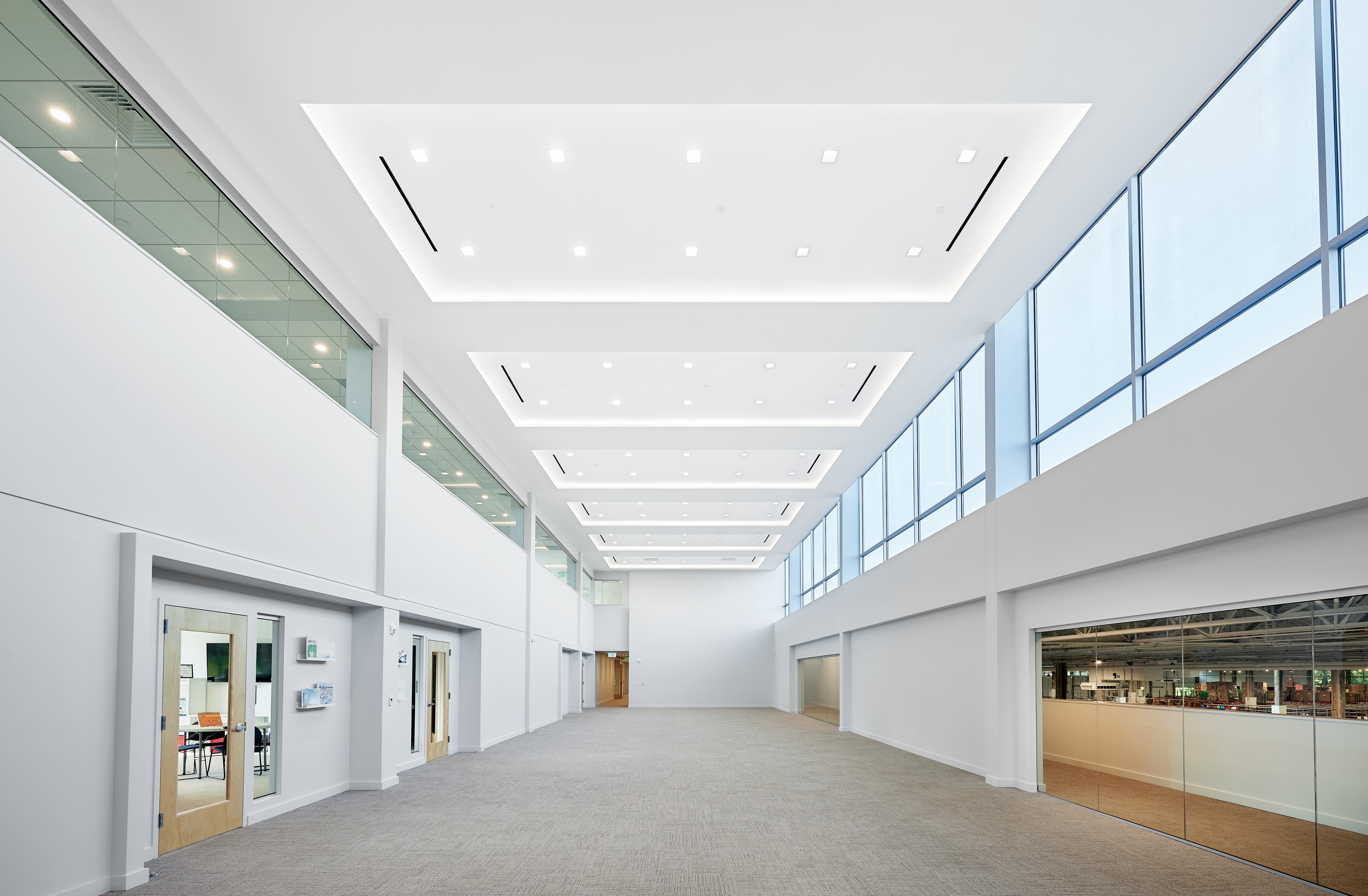
Photo courtesy of Armstrong World Industries

Armstrong World Industries is a leader in the design and manufacture of innovative commercial ceiling and wall systems. At home, at work, in health-care facilities, classrooms, stores, and restaurants, Armstrong Ceiling & Wall Solutions offer interior options that help
create healthy, sustainable spaces that protect people and cultivate well-being and comfort so they can be at their best.
Armstrong is committed to developing new and sustainable ceiling solutions, with design and performance possibilities that empower its customers to create beautiful, high-performance residential and commercial buildings. Armstrong continues to grow and prosper for the benefit of all its stakeholders.
armstrongceilings.com/commercial
Originally published in Architectural Record
Originally published in October 2026
LEARNING OBJECTIVES
- Discuss the challenges architects face balancing aesthetics, cost, and acoustic performance.
- Recognize the evolution and current options for smooth surface ceilings.
- Compare performance, cost, and installation methods of seamless acoustical ceilings to ensure a healthy environment for occupants.
- List common misperceptions associated with seamless acoustical ceiling solutions.</p>