Thomas Phifer
Museum of Modern Art Warsaw: Light, Permanence, and Civic Meaning in Contemporary Museum Design
Sponsored by Architectural Record | Presented by Thomas Phifer
This course examines the design intent and public reception of the Museum of Modern Art Warsaw, with architect Thomas Pfeiffer reflecting on the project’s decade-long development and its opening in 2024.
The discussion focuses on how a museum can balance formal restraint with strong civic presence, using light as an organizing principle, durable white concrete as a unifying material strategy, and carefully framed views that connect art to the city. Participants will explore how architecture can respond to complex cultural context—particularly a prominent, politically charged adjacent landmark—while creating spaces that support contemplation, community engagement, and long-term institutional identity.
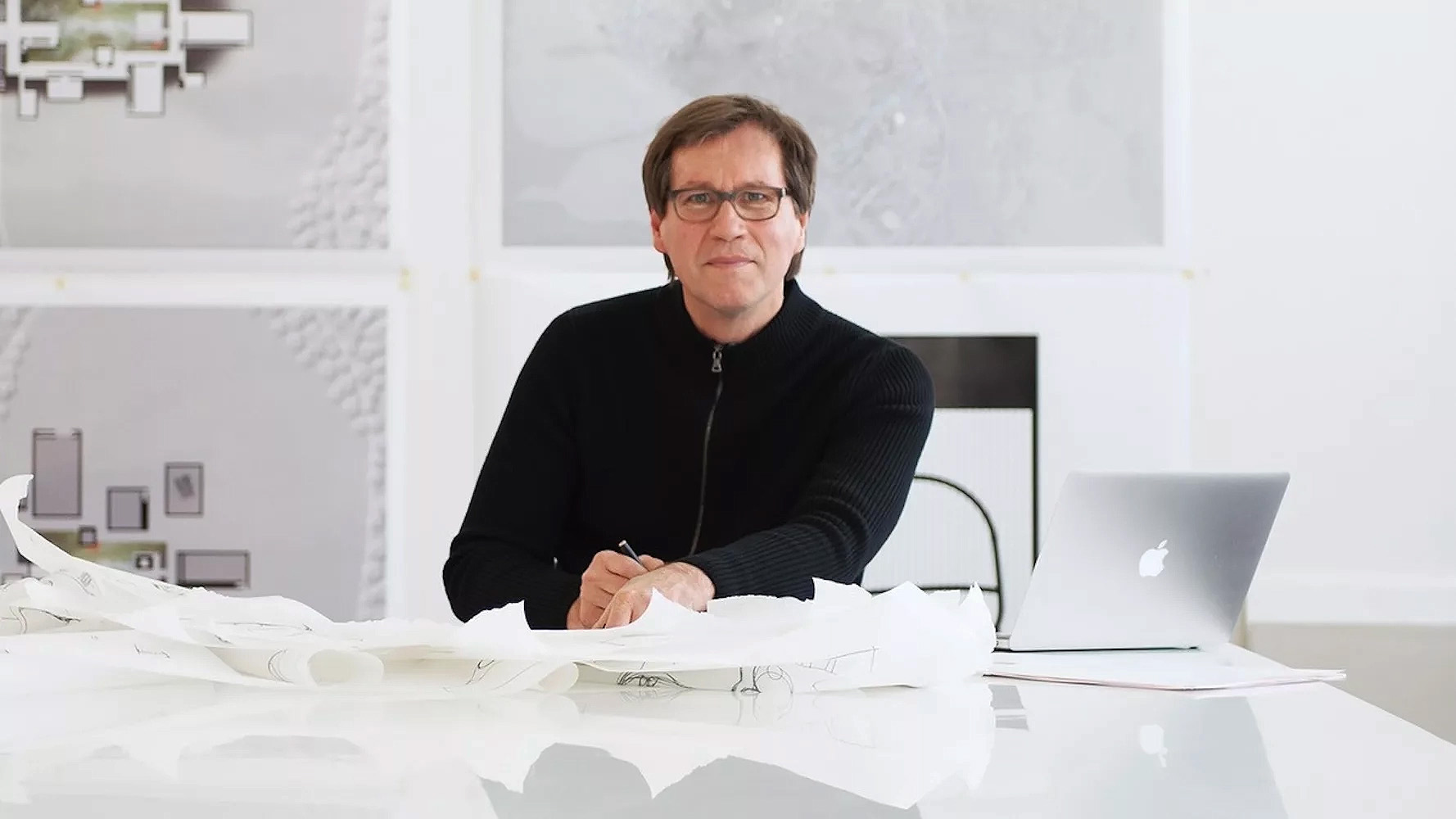
Photo courtesy of Thomas Phifer
 |
Aaron Prinz is the host of the Design:ED Podcast and holds a Masters of Architecture degree from the University of Texas at Austin. He was born and raised in the rural Northern California town of Red Bluff, just two hours south of the Oregon border. After one year of college, Prinz relocated to San Francisco to pursue a career in stand-up comedy. At age 26, he began studying architecture at Portland State University while interning at Studio Petretti Architecture led by Amanda Petretti. His professional contributions while at Studio Petretti were focused on a portion of the new Multnomah County Courthouse which is a prominent addition to the Portland skyline. He currently resides in Austin, Texas with his wife Roxanne where he continues to work as a designer. |

Architectural Record is the #1 source for design news, architect continuing education, and info on sustainability, houses, projects, and architectural products.
Originally published in Architectural Record
Originally published in February 2026
LEARNING OBJECTIVES
- Describe how architectural form and material restraint can reinforce a museum’s role as a civic and cultural counterpoint within a complex urban context.
- Identify strategies for using daylight—quality, direction, and seasonal variation—to shape gallery experience while minimizing distraction from artwork.
- Evaluate how consistent interior/exterior material systems (e.g., unified concrete palette) contribute to perceived permanence, clarity, and curatorial flexibility.
- Apply principles for integrating public engagement spaces (auditorium/commons) that expand a museum’s role beyond exhibitions and support community use.