Steven Holl Architects
How conceptual thinking, collaboration, and ecological innovation have shaped five decades of award-winning architecture
Sponsored by Architectural Record | Presented by Steven Holl
As Steven Holl Architects approaches its 50th anniversary, this session explores the firm's design philosophy, collaborative practice, and evolution from a small New York studio into an internationally recognized architecture practice. Steven Holl and partners discuss the role of conceptual thinking, watercolor sketching, mentorship, sustainability, adaptive reuse, and global collaboration in creating architecture that is rooted in place and focused on human experience.
Through projects including Kiasma Museum, Linked Hybrid, Ostrava Concert Hall, and Kaplankaya, attendees will gain insight into how enduring design principles continue to inform contemporary architectural practice.
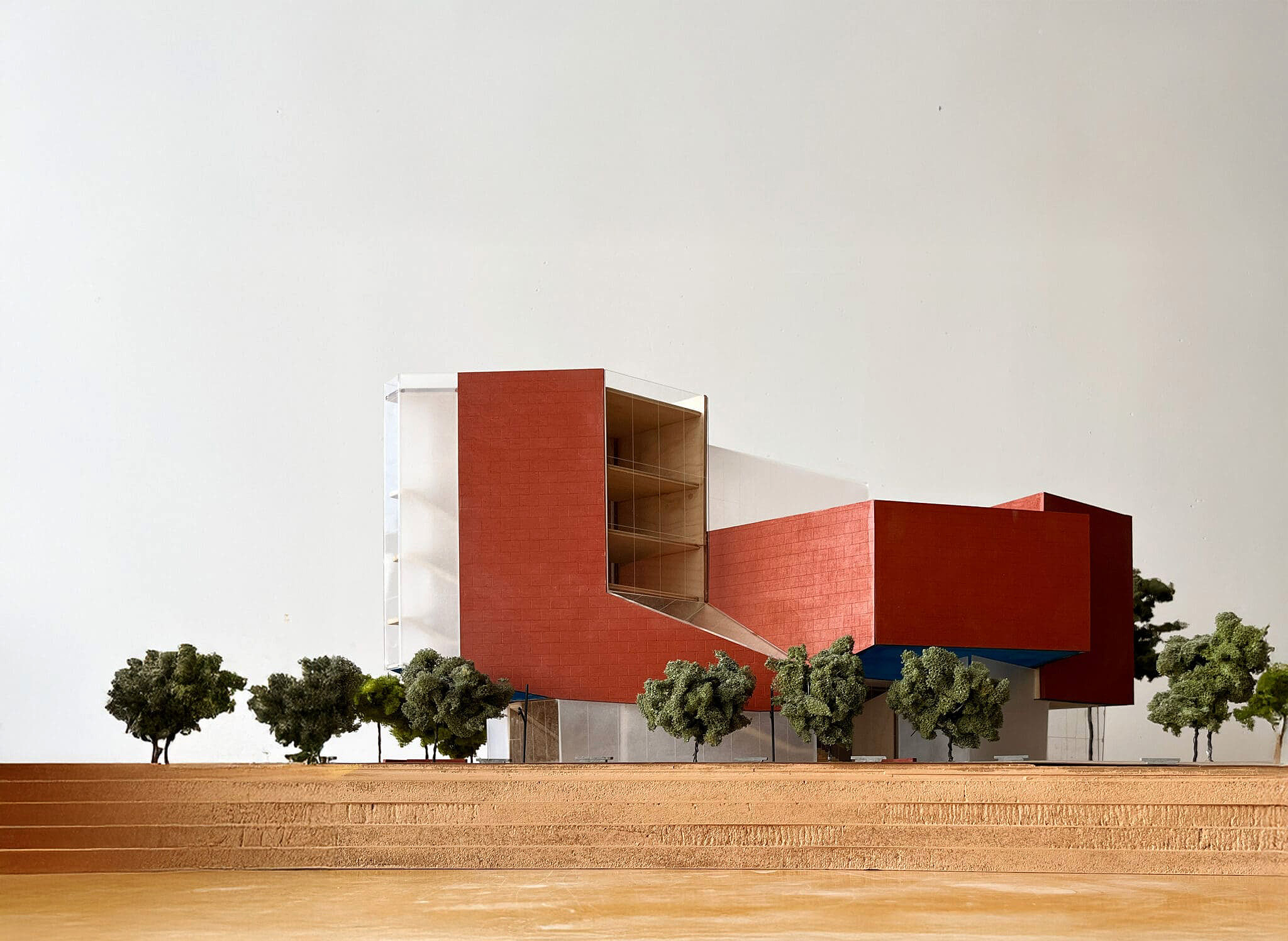
© Steven-Holl-Architects
Penn-SPAC-Model-1-8-West-Facade
 |
Aaron Prinz is the host of the Design:ED Podcast and holds a Masters of Architecture degree from the University of Texas at Austin. He was born and raised in the rural Northern California town of Red Bluff, just two hours south of the Oregon border. After one year of college, Prinz relocated to San Francisco to pursue a career in stand-up comedy. At age 26, he began studying architecture at Portland State University while interning at Studio Petretti Architecture led by Amanda Petretti. His professional contributions while at Studio Petretti were focused on a portion of the new Multnomah County Courthouse which is a prominent addition to the Portland skyline. He currently resides in Austin, Texas with his wife Roxanne where he continues to work as a designer. |

Architectural Record is the #1 source for design news, architect continuing education, and info on sustainability, houses, projects, and architectural products.
Originally published in Architectural Record
Originally published in July 2026
LEARNING OBJECTIVES
- Explain how concept-driven design and early design sketching establish a clear architectural vision throughout the design process.
- Describe how collaboration, mentorship, and maintaining a small studio culture can support innovation and design quality on complex projects.
- Evaluate strategies for integrating ecological design principles, landscape preservation, and context-sensitive planning into architectural projects.
- Identify approaches to adaptive reuse and complementary contrast when designing contemporary additions to historic buildings.