
Ryan Culligan - SOM
How large-scale architecture can reduce carbon, respond to wind, and reconnect cities to the natural environment
Sponsored by Architectural Record | Presented by Ryan Culligan

Image courtesy SOM 400 Lake Shore, Chicago.
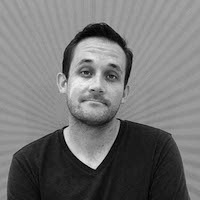 |
Aaron Prinz is the host of the Design:ED Podcast and holds a Masters of Architecture degree from the University of Texas at Austin. He was born and raised in the rural Northern California town of Red Bluff, just two hours south of the Oregon border. After one year of college, Prinz relocated to San Francisco to pursue a career in stand-up comedy. At age 26, he began studying architecture at Portland State University while interning at Studio Petretti Architecture led by Amanda Petretti. His professional contributions while at Studio Petretti were focused on a portion of the new Multnomah County Courthouse which is a prominent addition to the Portland skyline. He currently resides in Austin, Texas with his wife Roxanne where he continues to work as a designer. |

Architectural Record is the #1 source for design news, architect continuing education, and info on sustainability, houses, projects, and architectural products.
Originally published in Architectural Record
Originally published in February 2026
LEARNING OBJECTIVES
- Analyze strategies for integrating natural systems into large-scale architectural projects to enhance occupant experience and environmental balance.
- Evaluate how building form and wind-responsive design can reduce structural demand, material use, and embodied carbon in high-rise buildings.
- Apply interdisciplinary collaboration methods between architects and engineers to improve sustainability, performance, and constructability outcomes.
- Assess the role of architectural detailing—such as façade articulation and bay windows—in improving occupant comfort, bird safety, and urban integration.
- Identify professional practice approaches that support long-term design quality, mentorship, and ethical responsibility in large multidisciplinary firms.