
John Clegg and Michael Banman of Stantec
How interdisciplinary teams, design excellence, and collaboration shape large-scale architectural projects
Sponsored by Architectural Record | Presented by John Clegg and Michael Banman
As architecture firms continue to grow through expansion and acquisition, designers face new opportunities—and new challenges—in delivering meaningful, high-quality work at scale. In this episode of the DESIGNED Podcast, Stantec Design Leaders Michael Bandman and John Clegg discuss how integrated practice, interdisciplinary collaboration, and strong design culture enable complex projects while maintaining design excellence. From urban planning and sustainability to mentorship, education, and the evolving role of architects, this conversation explores how today's professionals can thrive within large organizations while creating impactful places.
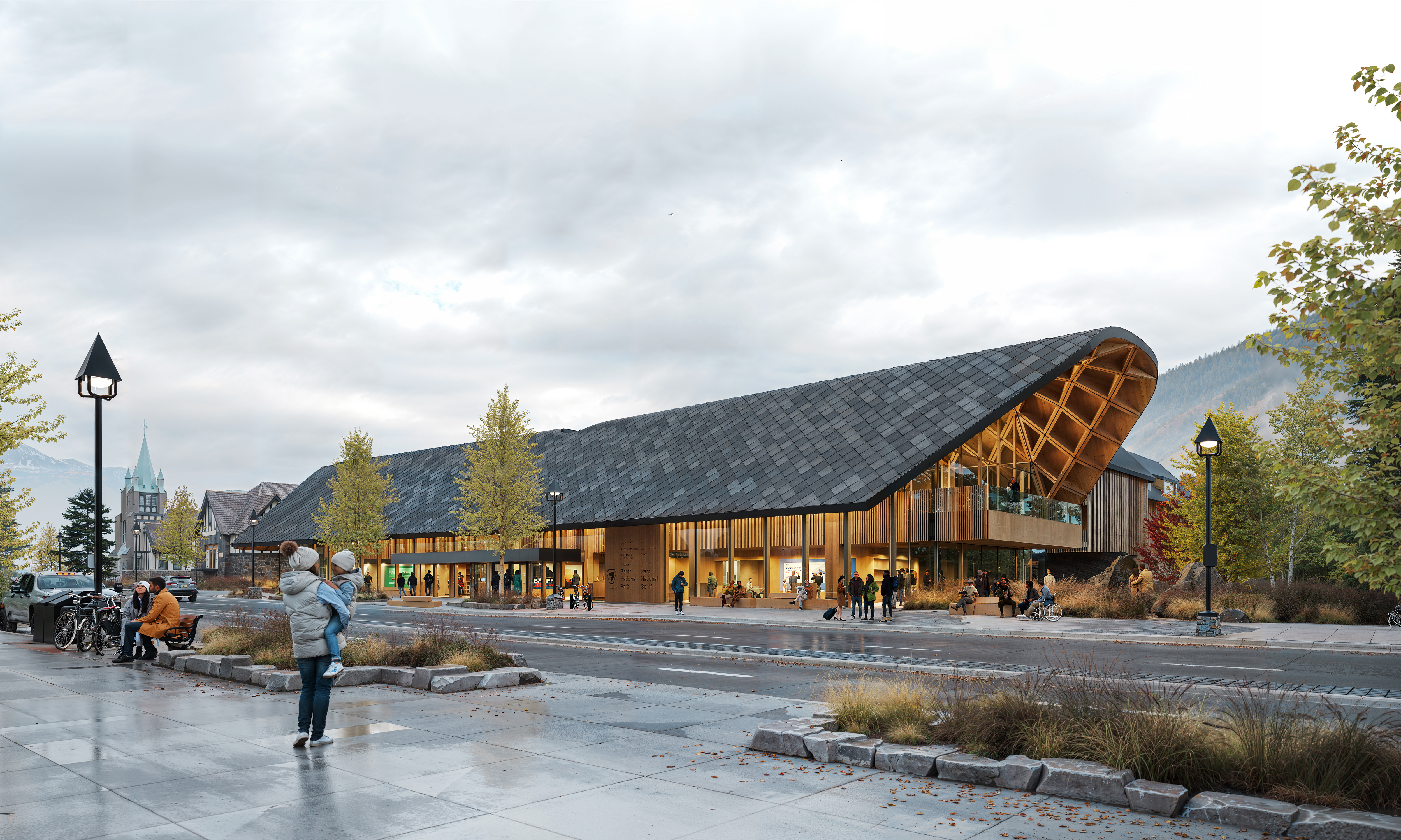
Photo courtesy of Stantec
Project: Buffalo Crossing
 |
Aaron Prinz is the host of the Design:ED Podcast and holds a Masters of Architecture degree from the University of Texas at Austin. He was born and raised in the rural Northern California town of Red Bluff, just two hours south of the Oregon border. After one year of college, Prinz relocated to San Francisco to pursue a career in stand-up comedy. At age 26, he began studying architecture at Portland State University while interning at Studio Petretti Architecture led by Amanda Petretti. His professional contributions while at Studio Petretti were focused on a portion of the new Multnomah County Courthouse which is a prominent addition to the Portland skyline. He currently resides in Austin, Texas with his wife Roxanne where he continues to work as a designer. |

Architectural Record is the #1 source for design news, architect continuing education, and info on sustainability, houses, projects, and architectural products.
Originally published in Architectural Record
Originally published in August 2026
LEARNING OBJECTIVES
- Explain how integrated, multidisciplinary practice improves collaboration and project outcomes on complex architectural and urban design projects.
- Identify strategies large firms use to maintain design quality, consistency, and innovation across multiple offices and project teams.
- Evaluate the importance of interdisciplinary collaboration, community engagement, and contextual design when planning large-scale developments.
- Discuss how mentorship, professional development, and evolving educational models prepare emerging architects for practice within integrated design organizations.