
Illya Azaroff - AIA National President
Disaster resilience, advocacy, and regenerative design
Sponsored by Architectural Record | Presented by Illya Azaroff
In this course, Illya Azaroff —AIA National President—discusses how architects can lead communities through disaster response, climate disruption, and long-term recovery. The session explores how architects support public health, safety, and welfare through disaster risk reduction, post-disaster building evaluations, and community-centered rebuilding. Participants will also examine advocacy, professional culture, and the evolving definition of design excellence, including the profession’s movement from resilience and sustainability toward regenerative design.
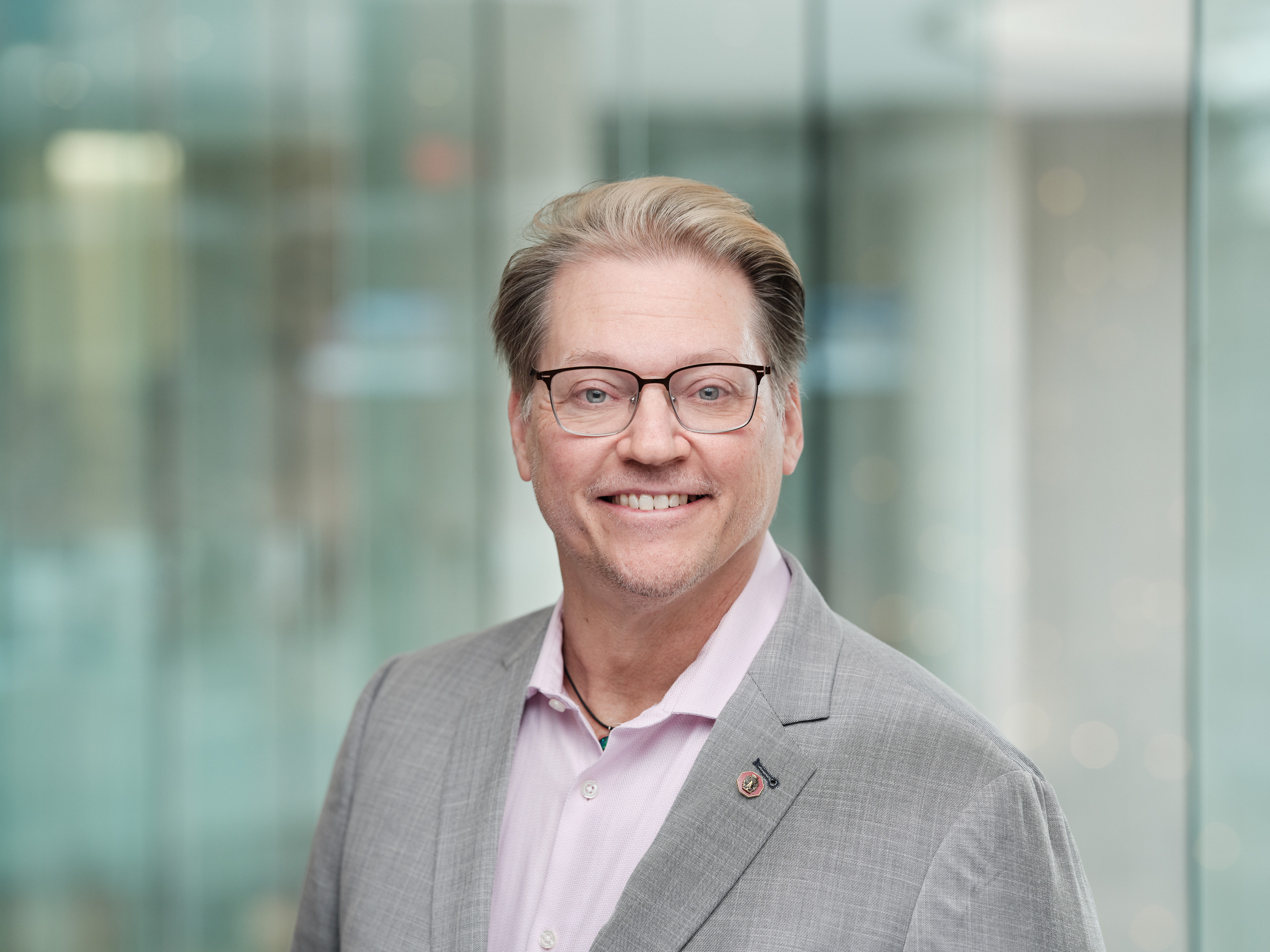
Photo courtesy of Illya Azaroff
 |
Aaron Prinz is the host of the Design:ED Podcast and holds a Masters of Architecture degree from the University of Texas at Austin. He was born and raised in the rural Northern California town of Red Bluff, just two hours south of the Oregon border. After one year of college, Prinz relocated to San Francisco to pursue a career in stand-up comedy. At age 26, he began studying architecture at Portland State University while interning at Studio Petretti Architecture led by Amanda Petretti. His professional contributions while at Studio Petretti were focused on a portion of the new Multnomah County Courthouse which is a prominent addition to the Portland skyline. He currently resides in Austin, Texas with his wife Roxanne where he continues to work as a designer. |

Architectural Record is the #1 source for design news, architect continuing education, and info on sustainability, houses, projects, and architectural products.
Originally published in Architectural Record
Originally published in February 2026
LEARNING OBJECTIVES
- Explain how AIA membership supports architects through professional community, leadership, and continuing education.
- Identify the architect’s role in disaster mitigation, post-disaster building evaluation, and long-term recovery.
- Describe the shift from resilience and sustainability toward regenerative design as a future direction for practice .
- Apply ethical and advocacy-based decision-making to issues of displacement, insurance risk, and equitable rebuilding.