
Greg Warner & Amadeo Bennetta - Walker Warner
Architecture Rooted in Place
Sponsored by Architectural Record | Presented by Greg Warner & Amadeo Bennetta
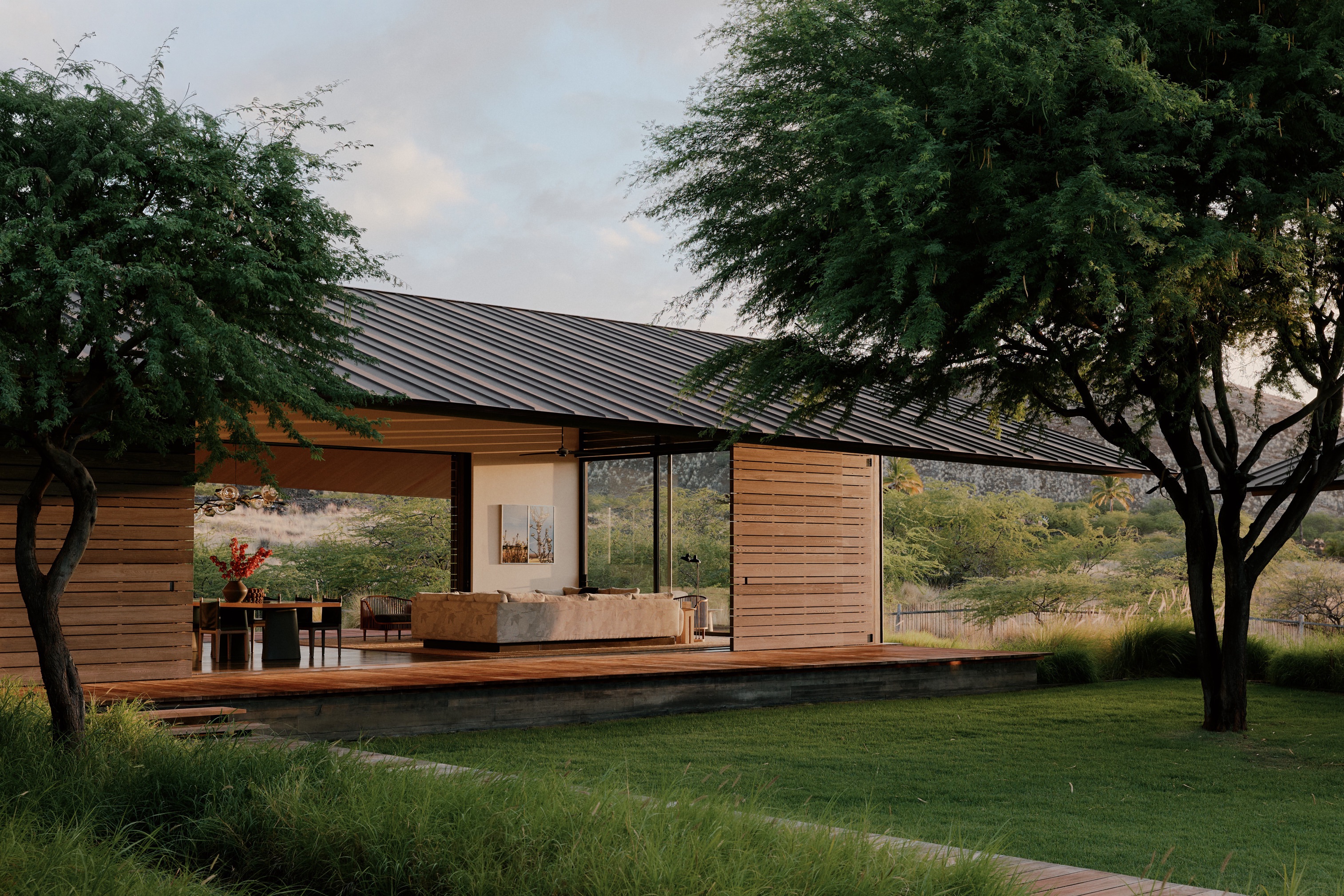
This course explores Walker Warner Architects’ approach to creating architecture that responds thoughtfully to site, climate, materiality, and the needs of its occupants. Through a discussion of residential projects in Hawaii and coastal California, participants will examine how restraint, contextual design, client engagement, craftsmanship, and material selection shape buildings that are durable, livable, and connected to their surroundings.
The course also considers collaboration among architects, clients, contractors, and skilled trades, as well as strategies for simplifying building systems and reducing reliance on technology through thoughtful, climate-responsive design.
 |
Aaron Prinz is the host of the Design:ED Podcast and holds a Masters of Architecture degree from the University of Texas at Austin. He was born and raised in the rural Northern California town of Red Bluff, just two hours south of the Oregon border. After one year of college, Prinz relocated to San Francisco to pursue a career in stand-up comedy. At age 26, he began studying architecture at Portland State University while interning at Studio Petretti Architecture led by Amanda Petretti. His professional contributions while at Studio Petretti were focused on a portion of the new Multnomah County Courthouse which is a prominent addition to the Portland skyline. He currently resides in Austin, Texas with his wife Roxanne where he continues to work as a designer. |

Architectural Record is the #1 source for design news, architect continuing education, and info on sustainability, houses, projects, and architectural products.
Originally published in Architectural Record
Originally published in October 2026
LEARNING OBJECTIVES
- Identify strategies for site-responsive design that integrate buildings with existing landscapes, regional conditions, and environmental context while minimizing unnecessary impact on the site.
- Explain how material selection, durability, texture, and craftsmanship influence building performance and occupant experience, particularly in demanding coastal environments where exposure to salt air and severe weather affects long-term material performance.
- Describe how client engagement and interdisciplinary collaboration can improve functional planning and livability by ensuring that spaces respond to occupants’ activities, needs, comfort, and intended patterns of use.
- Evaluate opportunities to simplify architectural and building-system solutions through restraint, passive design considerations, and reduced dependence on complex technologies while maintaining occupant comfort and long-term building performance.