
Ema Peter - Ema Peter Photography
Where architecture, storytelling, and photography intersect
Sponsored by Architectural Record | Presented by Ema Peter
Architectural photographer Ema Peter discusses her approach to documenting architecture through imagery that communicates the vision and purpose of a project. She explains how collaboration with architects, careful observation, and an understanding of light, composition, and human experience help transform documentation into storytelling. Through examples from major projects—including the widely recognized PDX Airport—Peter highlights the role photography plays in communicating architecture to clients, media, and the public.
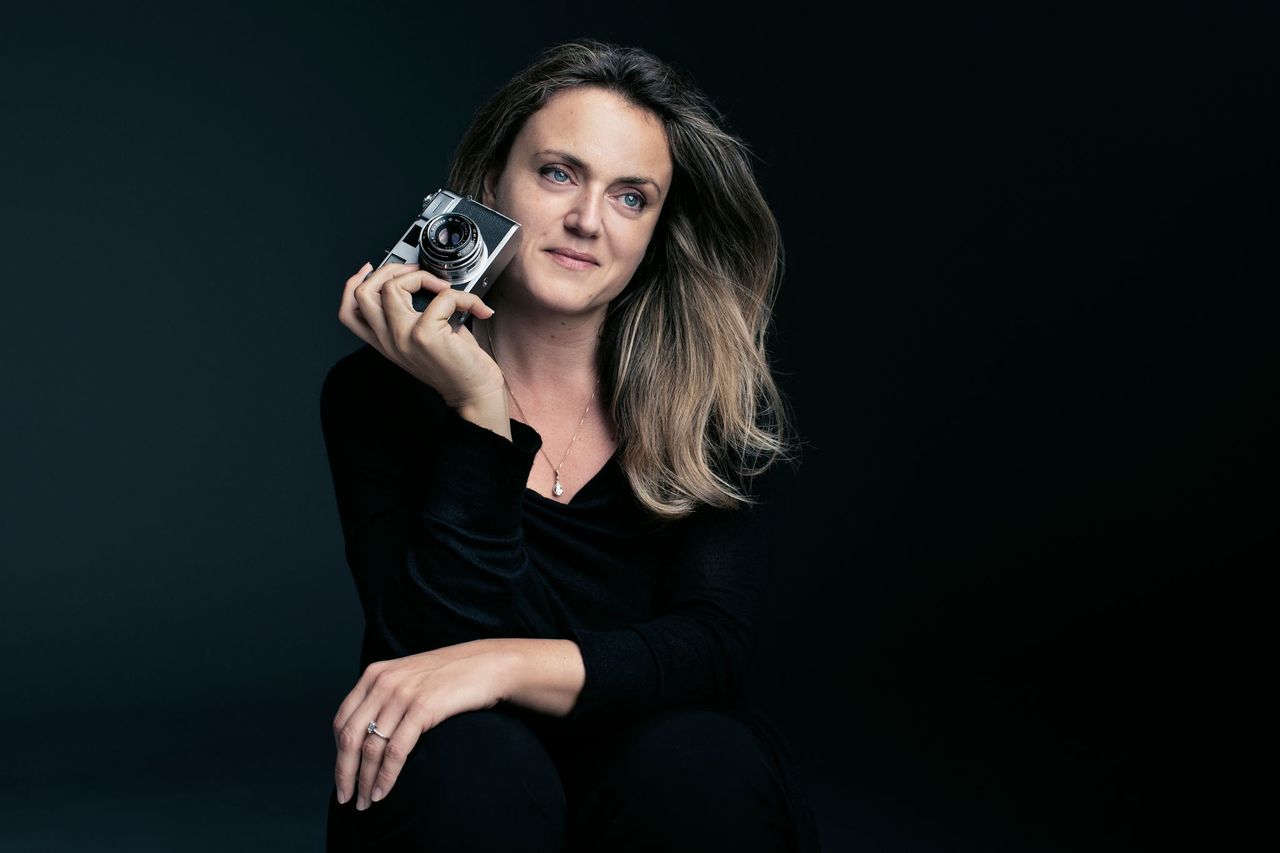
Photo courtesy of Ema Peter
 |
Aaron Prinz is the host of the Design:ED Podcast and holds a Masters of Architecture degree from the University of Texas at Austin. He was born and raised in the rural Northern California town of Red Bluff, just two hours south of the Oregon border. After one year of college, Prinz relocated to San Francisco to pursue a career in stand-up comedy. At age 26, he began studying architecture at Portland State University while interning at Studio Petretti Architecture led by Amanda Petretti. His professional contributions while at Studio Petretti were focused on a portion of the new Multnomah County Courthouse which is a prominent addition to the Portland skyline. He currently resides in Austin, Texas with his wife Roxanne where he continues to work as a designer. |

Architectural Record is the #1 source for design news, architect continuing education, and info on sustainability, houses, projects, and architectural products.
Originally published in Architectural Record
Originally published in March 2026
LEARNING OBJECTIVES
- Identify the role of architectural photography in shaping public perception and professional positioning of design firms.
- Evaluate the relationship between renderings, built work, and final photography in communicating authentic design intent.
- Assess the ethical considerations and professional responsibilities associated with post-production and visual representation
- Apply strategies for collaborating effectively with photographers to create emotionally resonant and market-impacting imagery.
- Differentiate between commodity photography and authorship-driven image-making that enhances long-term brand value.
- Assess the ethical considerations and professional responsibilities associated with post-production and visual representation.