Dana Cuff and Emmanuel Proussaloglou from UCLA cityLAB
Designing for Housing, Resilience, and Community
Sponsored by Architectural Record | Presented by Dana Cuff and Emmanuel Proussaloglou
This podcast explores how UCLA cityLAB uses architecture, research, policy, and community partnerships to address complex challenges in housing and the built environment. Through examples including ADUs, educator workforce housing, post-fire recovery in Altadena, prefabricated housing, intergenerational housing, and small-lot development, the discussion demonstrates how architects can expand their role beyond traditional practice. Listeners will learn how design research, community engagement, policy, financing, and demonstration projects can work together to advance more resilient, equitable, and responsive communities.
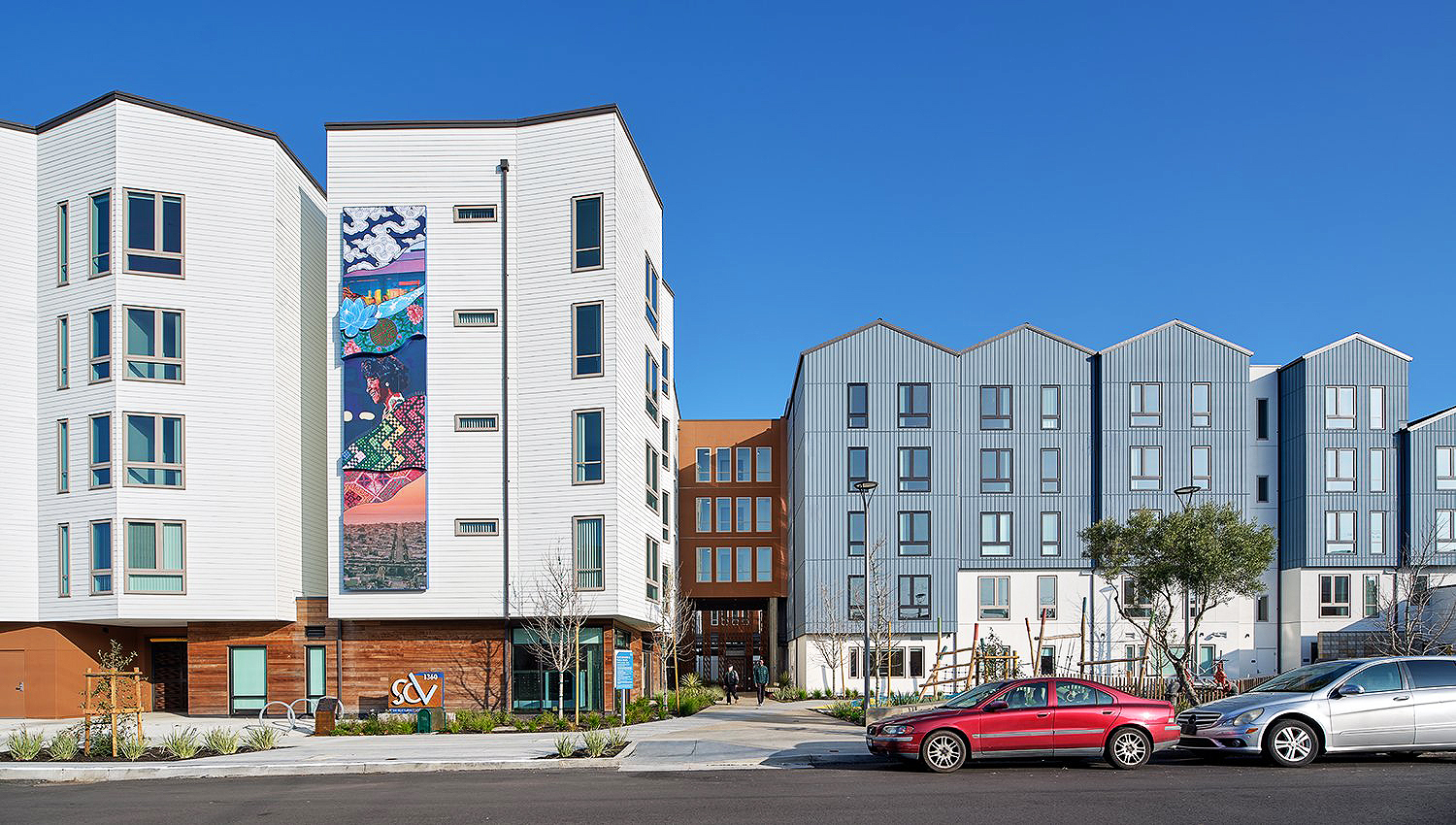
Photo courtesy of BAR Architects
Education Workforce Housing 2: Exterior view of Shirley Chisholm Village, a built Education Workforce Housing project serving San Francisco Unified employees.
 |
Aaron Prinz is the host of the Design:ED Podcast and holds a Masters of Architecture degree from the University of Texas at Austin. He was born and raised in the rural Northern California town of Red Bluff, just two hours south of the Oregon border. After one year of college, Prinz relocated to San Francisco to pursue a career in stand-up comedy. At age 26, he began studying architecture at Portland State University while interning at Studio Petretti Architecture led by Amanda Petretti. His professional contributions while at Studio Petretti were focused on a portion of the new Multnomah County Courthouse which is a prominent addition to the Portland skyline. He currently resides in Austin, Texas with his wife Roxanne where he continues to work as a designer. |

Architectural Record is the #1 source for design news, architect continuing education, and info on sustainability, houses, projects, and architectural products.
Originally published in Architectural Record
Originally published in November 2026
LEARNING OBJECTIVES
- Identify how architects can integrate design research, policy analysis, and community engagement to develop housing strategies that address community health, safety, welfare, and equitable access to the built environment.
- Explain how post-disaster housing strategies—including prefabricated construction, ADUs, and incremental rebuilding approaches—can support safer, more resilient community recovery while responding to residents’ long-term needs. The Altadena work discussed in the course includes prefab housing, fire-resilient and sustainable models, and strategies for helping residents return to their properties and communities.
- Evaluate how architectural programming and housing design can support intergenerational communities by balancing opportunities for social interaction, privacy, accessibility, and the needs of diverse resident populations.
- Apply research, coalition-building, and demonstration-project strategies to identify underutilized sites and advance context-sensitive housing solutions that integrate design, regulatory, financial, and community considerations.